Static Protection for Electronics Manufacturing

PCB Assembly ESD Mat: Essential Static Protection for Electronics Manufacturing

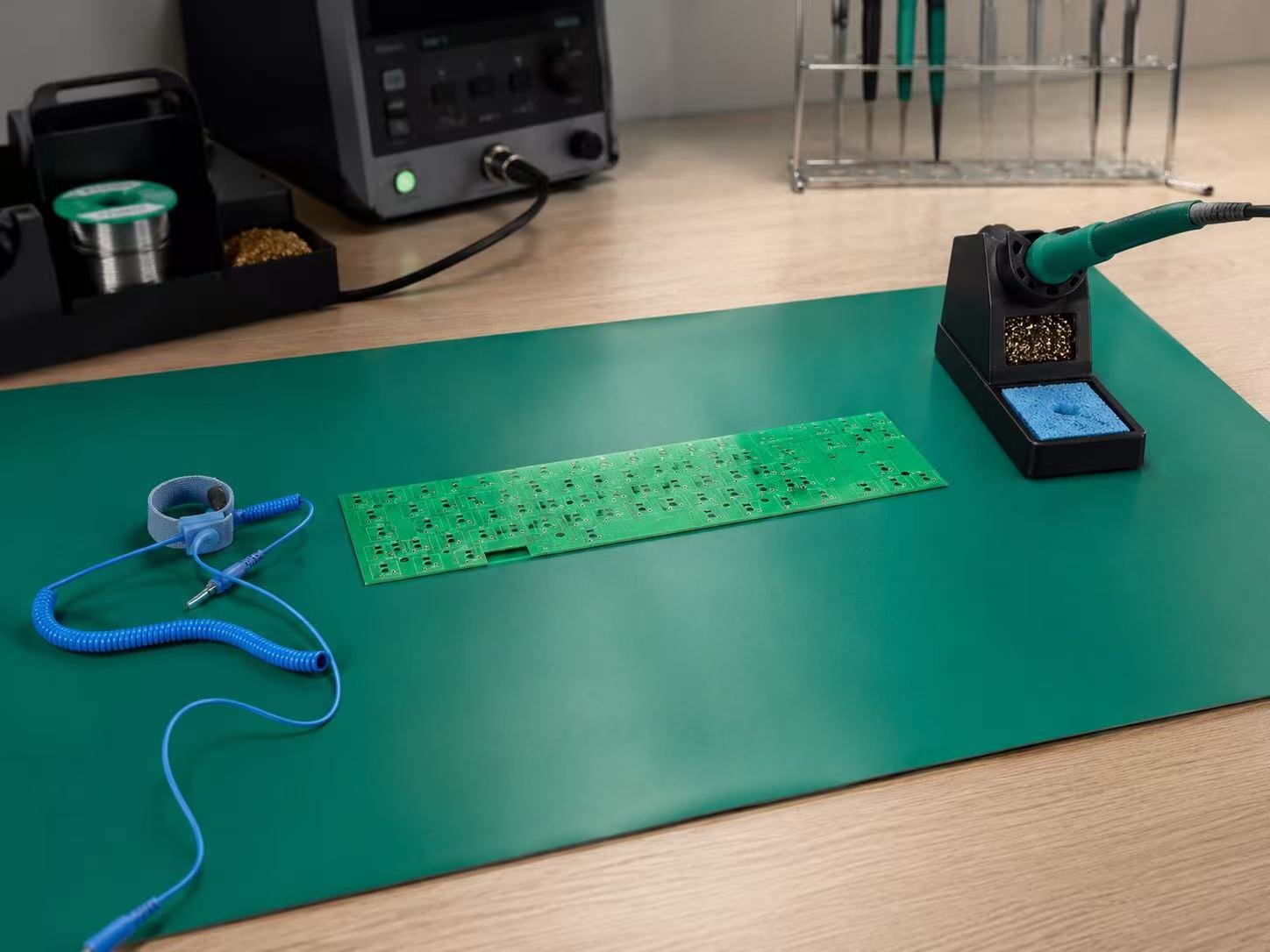
PCB assembly workstation with grounded ESD mat

What Is a PCB Assembly ESD Mat?

A PCB assembly ESD mat is a static dissipative work surface designed to protect sensitive electronic components during PCB assembly, SMT production, soldering, inspection, testing, and repair.

In electronics manufacturing, even a small electrostatic discharge can damage ICs, MOSFETs, sensors, memory chips, and other sensitive components. A properly grounded ESD mat helps control static electricity and provides a safer working surface for PCB handling.

Quick Answer: Do PCB Assembly Workstations Need ESD Mats?

Yes. PCB assembly workstations should use grounded ESD mats because printed circuit boards and electronic components can be damaged by invisible static discharge. An ESD mat helps safely dissipate static charges when connected to a proper ground.

Why Static Electricity Is Dangerous for PCB Assembly

Static electricity is often invisible, but it can still cause serious damage to electronic components. Operators may carry static charges from walking, clothing, plastic materials, packaging, or workstation surfaces.

Many electronic components can be damaged by voltages far below what a human can feel. This means a PCB may look normal after handling, but hidden ESD damage can reduce reliability, cause intermittent failures, or lead to product returns later.

Common ESD-sensitive components include:

  • Integrated circuits
  • MOSFETs
  • Microprocessors
  • Memory chips
  • Sensors
  • LED components
  • SMT devices
  • PCB assemblies

How an ESD Mat Protects PCB Assemblies

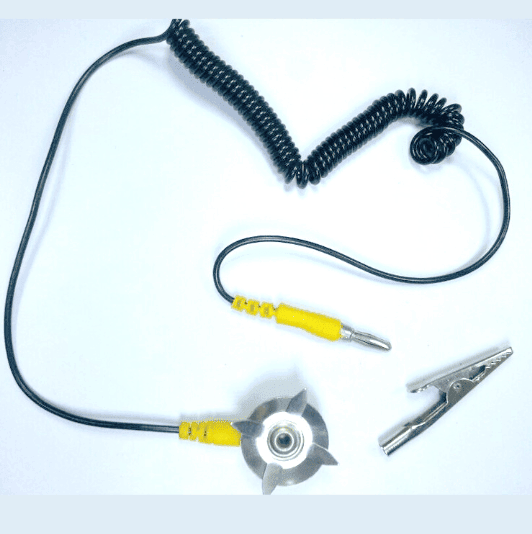
A PCB assembly ESD mat works by providing a controlled path for static electricity to dissipate safely. When the mat is connected to a ground cord and common point ground, static charges can move away from the work surface in a controlled way.

Basic grounding path:

  1. Static charge is generated by the operator or workstation.
  2. The ESD mat receives and controls the charge.
  3. The grounding cord connects the mat to a common point ground.
  4. The charge is safely dissipated to earth ground.

Without proper grounding, an ESD mat cannot provide reliable static protection.

Where PCB Assembly ESD Mats Are Used

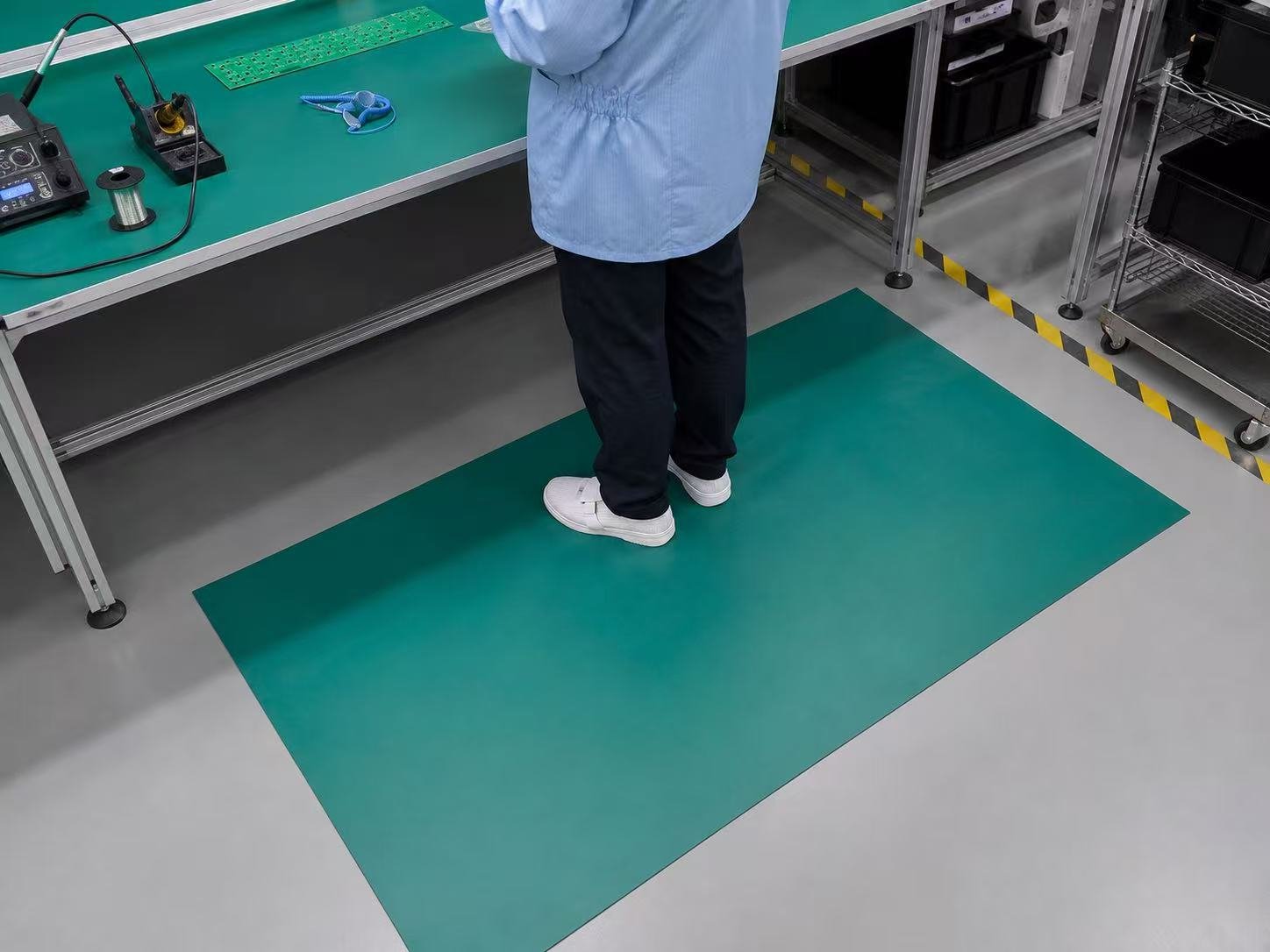
ESD mats are widely used in electronics manufacturing environments where printed circuit boards or electronic components are handled directly.

  • SMT production lines
  • PCB assembly workstations
  • PCB repair benches
  • Electronics testing areas
  • Inspection tables
  • R&D laboratories
  • Prototype assembly benches
  • Mobile phone repair stations
  • Computer and server assembly areas

ESD Mat vs Normal Rubber Mat for PCB Assembly

Feature PCB Assembly ESD Mat Normal Rubber Mat
Static dissipation Yes No controlled performance
Groundable Yes Usually no
PCB protection Designed for electronics Not reliable
Surface resistance Controlled range Uncontrolled
Suitable for SMT Yes No
ESD workstation use Recommended Not recommended

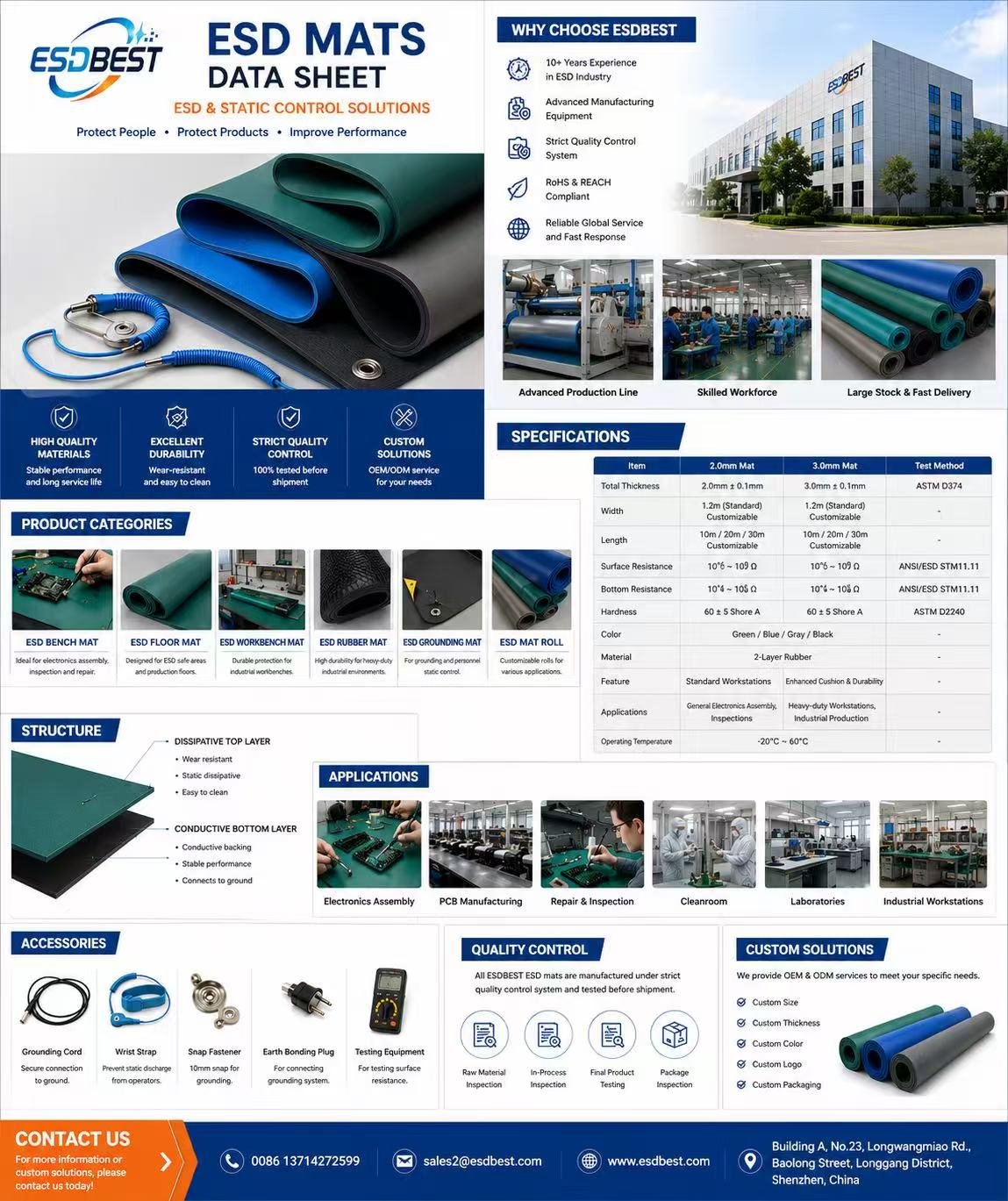
Recommended ESD Mat Specifications for PCB Assembly

For PCB assembly and electronics manufacturing, a high-quality ESD mat should have stable resistance, proper grounding capability, and good durability for daily production use.

Recommended specifications:

  • Surface resistance: 10⁶–10⁹ Ω
  • Material: rubber or dual-layer ESD material
  • Thickness: 2mm or 3mm
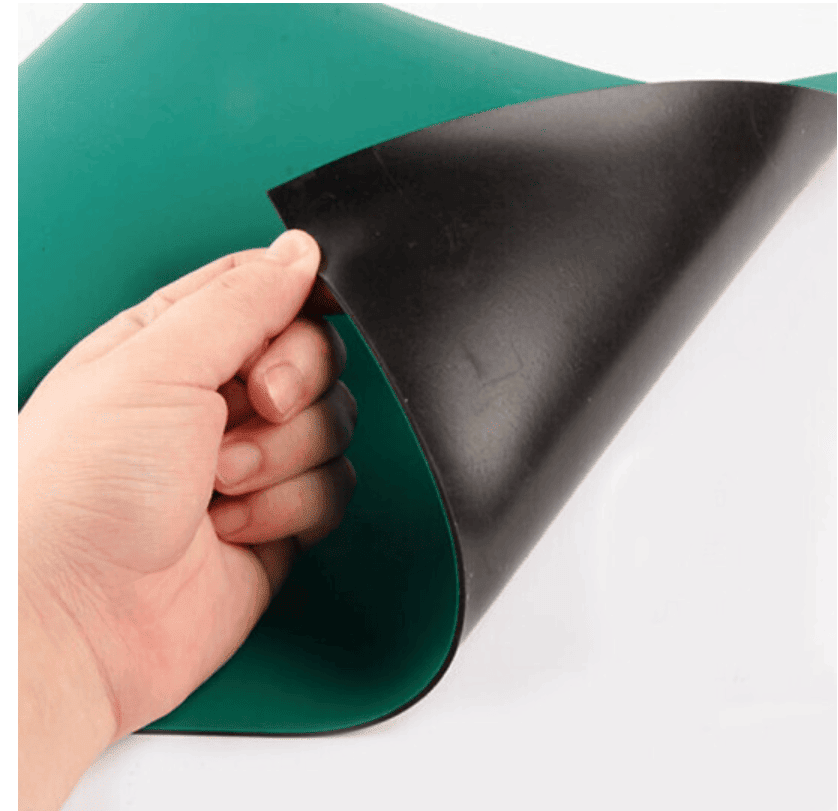
  • Structure: static dissipative top layer with conductive bottom layer
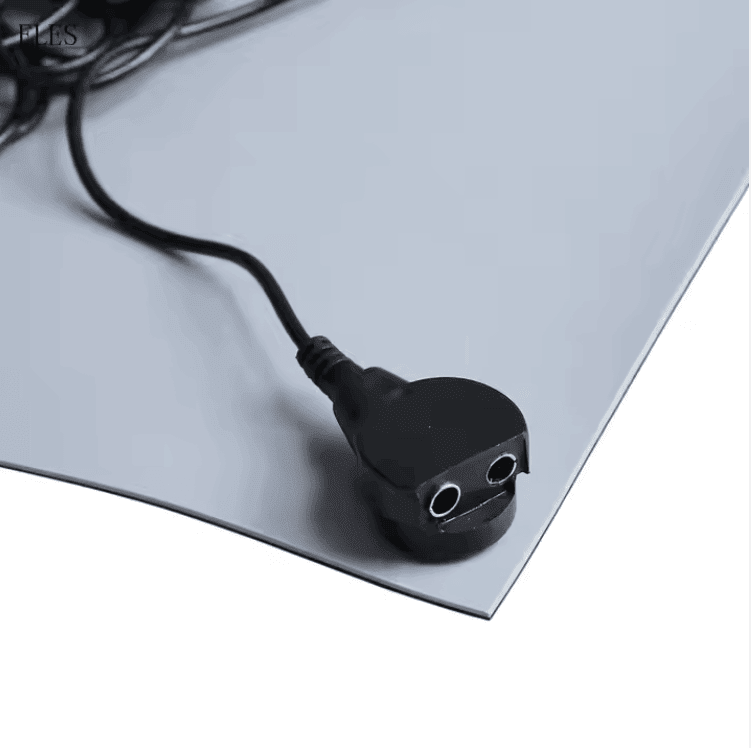
  • Grounding: snap button with grounding cord
  • Application: PCB assembly, soldering, repair, testing, inspection

Why Grounding Is Critical

An ESD mat must be properly grounded to work effectively. If the mat is not connected to ground, static charges may remain on the work surface instead of being safely dissipated.

For PCB assembly, this is a major risk because operators may believe the workstation is ESD safe when it is not fully protected.

Common grounding components include:

  • ESD mat grounding cord
  • Common point ground
  • Wrist strap grounding point
  • Verified earth ground

Common Mistakes in PCB Assembly ESD Protection

  • Using an ESD mat without grounding
  • Using a normal rubber mat instead of an ESD mat
  • Not testing mat resistance regularly
  • Using damaged or dirty work surfaces
  • Not connecting wrist straps correctly
  • Mixing ESD-safe and non-ESD-safe tools
  • Using plastic trays or packaging on the workstation

How to Choose the Best ESD Mat for PCB Assembly

When choosing an ESD mat for PCB assembly, do not only look at color or price. The most important factors are resistance performance, grounding design, material durability, and production suitability.

Checklist before buying:

  • Does the mat have a stable dissipative resistance range?
  • Can it be connected to a grounding cord?
  • Is it suitable for soldering or repair work?
  • Is it easy to clean?
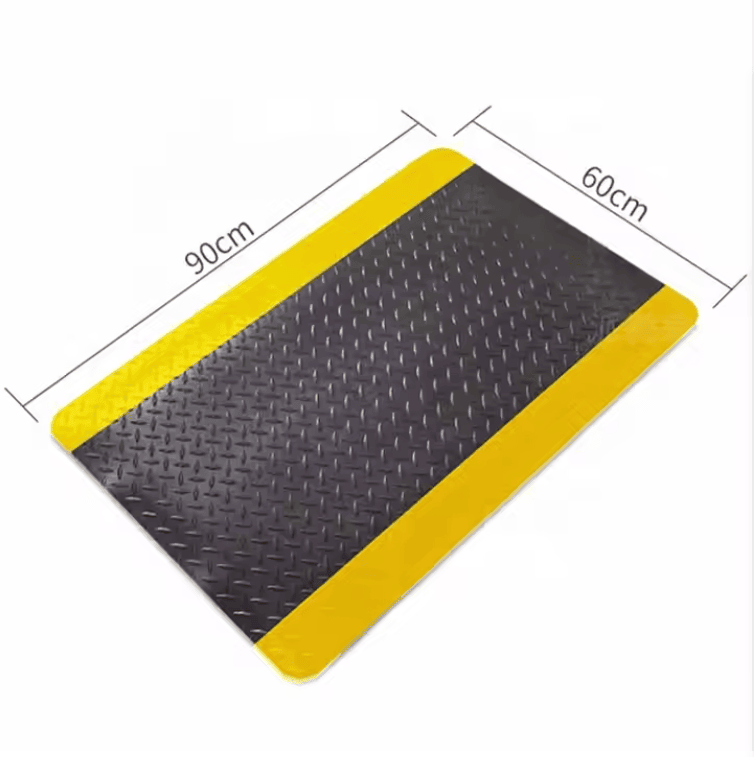
  • Can it be customized for workbench size?
  • Is it suitable for electronics manufacturing environments?

Why ESDBEST ESD Mats Are Suitable for PCB Assembly

ESDBEST supplies ESD mats for electronics manufacturing, PCB assembly, SMT production, repair workstations, and ESD protected areas. Our mats are designed for stable static dissipation, easy grounding, and long-term industrial use.

ESDBEST ESD mat advantages:

  • Suitable for PCB assembly workstations
  • Stable resistance performance
  • Groundable design
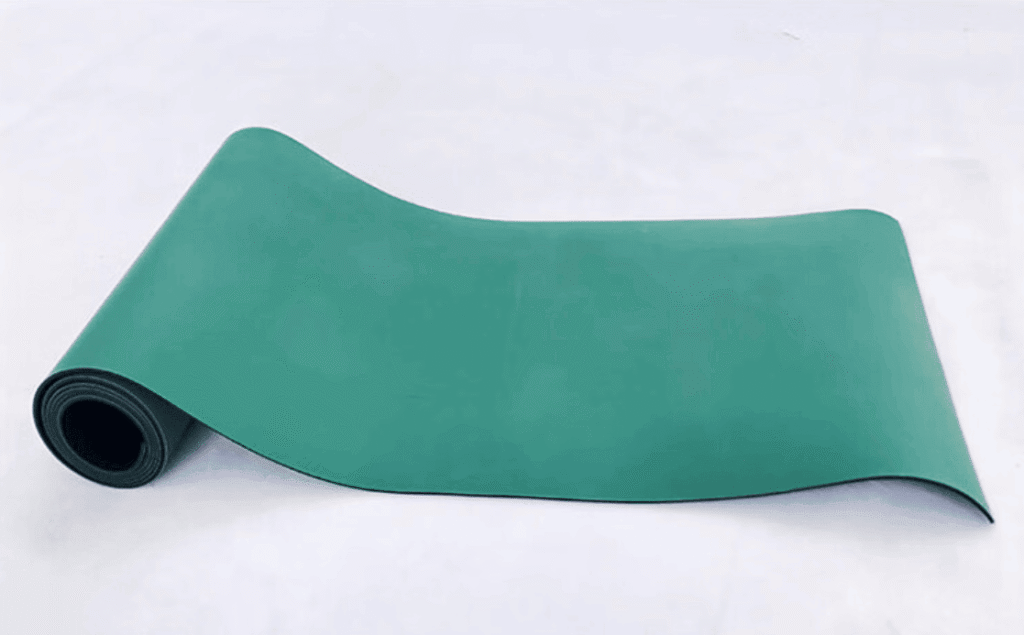
  • Available in rolls or custom sizes
  • Suitable for SMT, repair, inspection, and testing
  • Bulk supply for electronics manufacturers

Need PCB assembly ESD mats for your production line?
Contact ESDBEST for ESD mat solutions for electronics manufacturing.

Learn more about what an ESD mat is and how it works in static control.

If you are setting up a workstation, read our guide on how to ground an ESD mat.

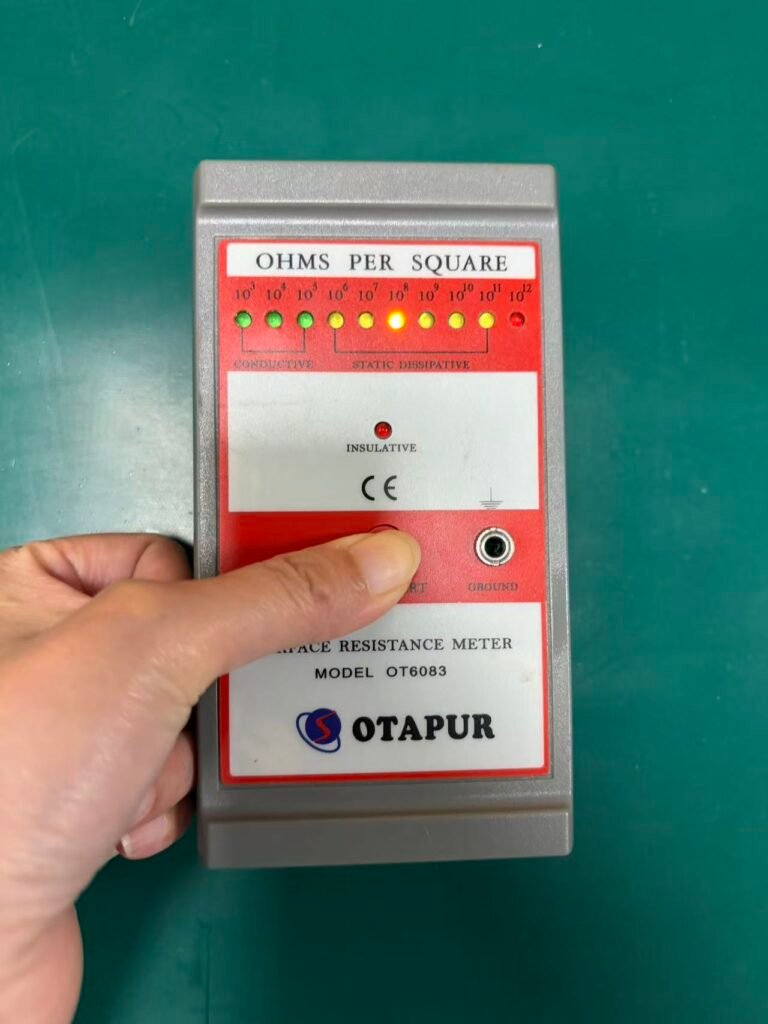
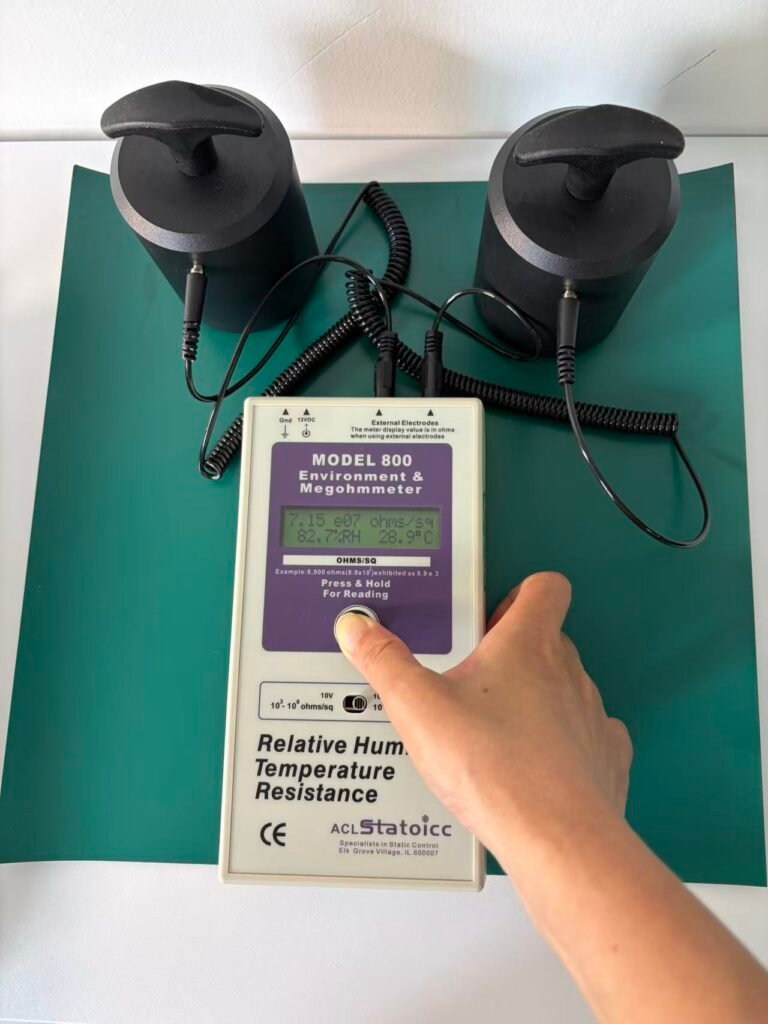
For quality control, see how to test an ESD mat.

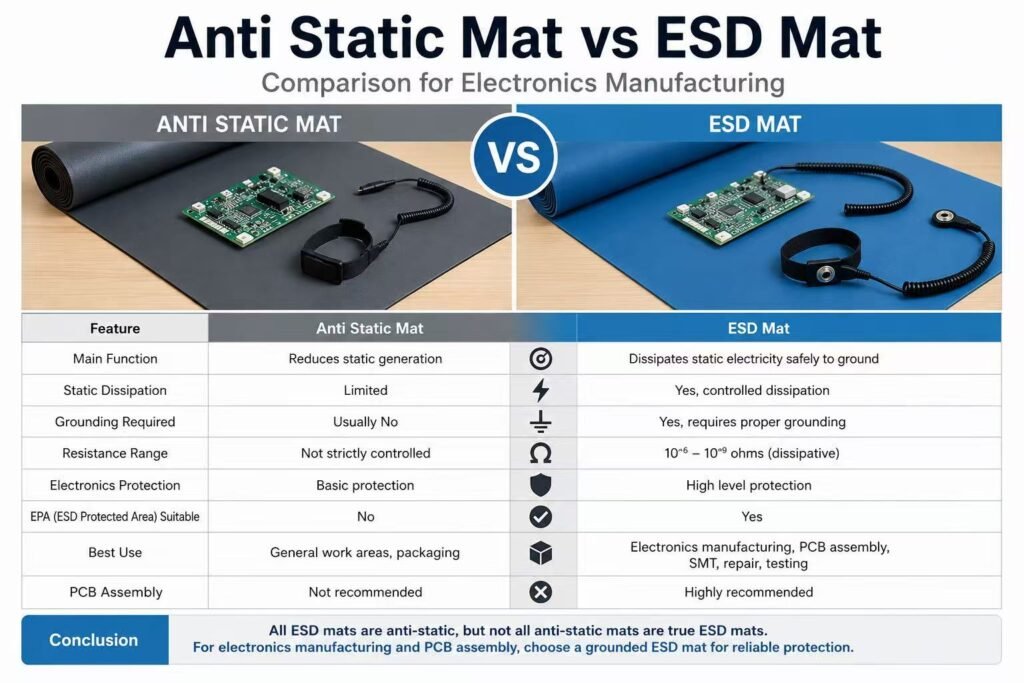
Compare materials in ESD mat vs anti static mat.

For electronics workbenches, visit ESD workbench mat.

For purchasing options, read best ESD mat for electronics.

ESD mat for electronics assembly and PCB handling

Learn more about what an ESD mat is and how it works in static control.

If you are setting up a workstation, read our guide on how to ground an ESD mat.

For quality control, see how to test an ESD mat.

Compare materials in ESD mat vs anti static mat.

For electronics workbenches, visit ESD workbench mat.

For purchasing options, read best ESD mat for electronics.

Need ESD Mats for PCB Assembly?

ESDBEST supplies grounded ESD mats for PCB assembly, SMT production, electronics repair, and manufacturing workstations.

Email: sales2@esdbest.com

ESD mat vs rubber mat for PCB assembly

FAQ About PCB Assembly ESD Mats

What is the best ESD mat for PCB assembly?

A grounded dissipative ESD mat with stable resistance, durable surface material, and grounding capability is recommended for PCB assembly workstations.

Do PCB assembly workstations need ESD mats?

Yes. PCB assembly workstations should use ESD mats to help protect sensitive electronic components from electrostatic discharge.

Can I use a normal rubber mat for PCB assembly?

No. A normal rubber mat does not provide controlled static dissipation and is not a reliable replacement for an ESD mat.

Does an ESD mat need grounding?

Yes. An ESD mat must be connected to a proper ground to safely dissipate static charges.

What resistance range is recommended for PCB assembly ESD mats?

A common recommended surface resistance range for PCB assembly ESD mats is 10⁶–10⁹ Ω.

Where are PCB assembly ESD mats used?

They are used in SMT lines, PCB repair stations, electronics testing benches, inspection areas, and ESD protected workstations.