
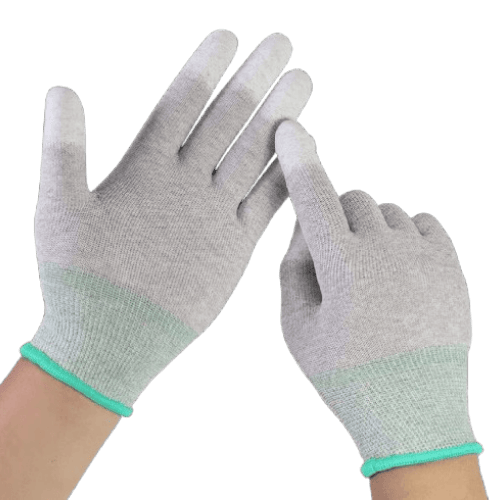
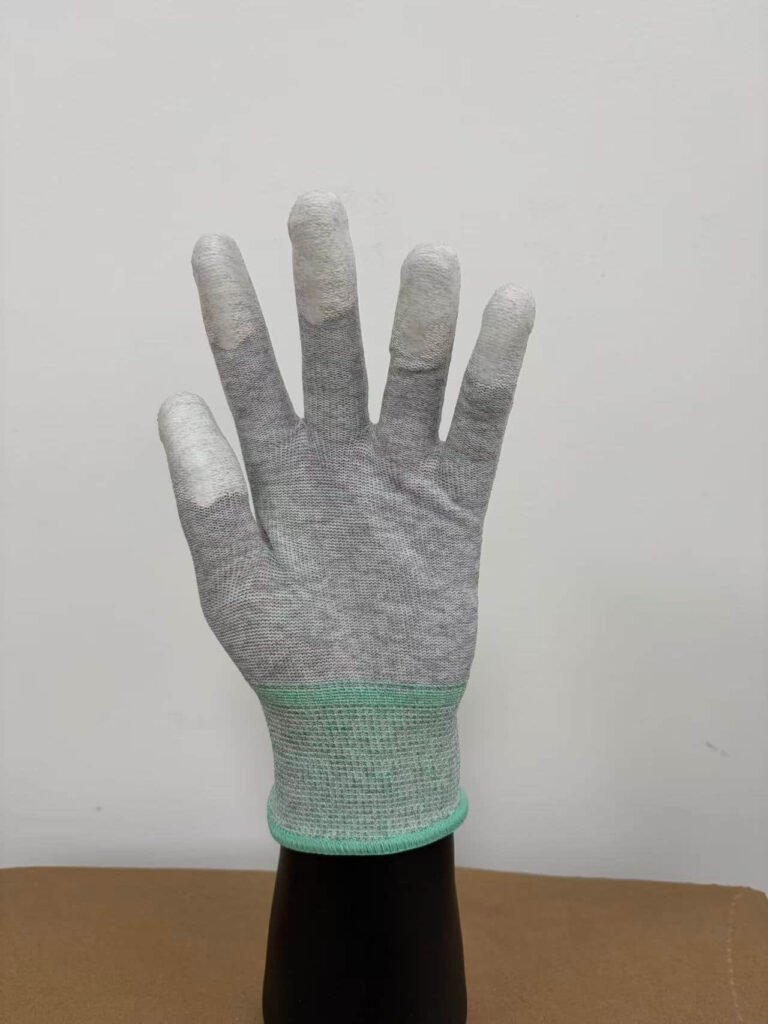
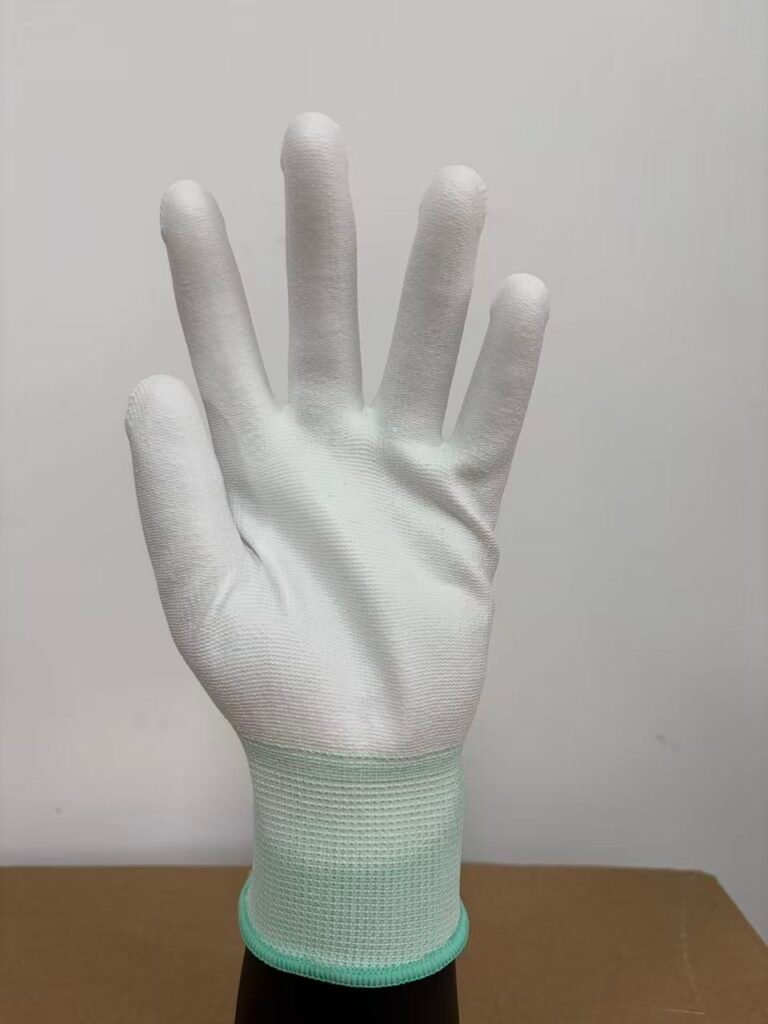
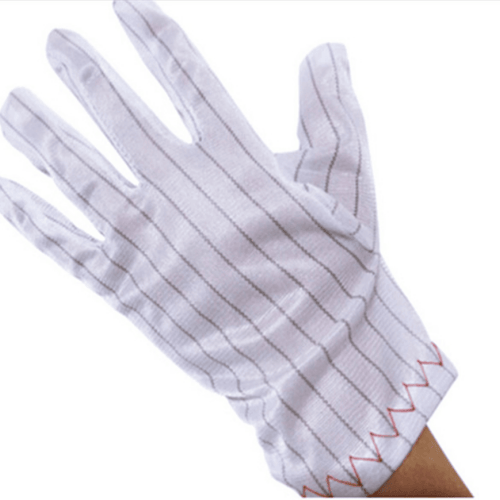
Cut Resistant Gloves

Horbest Cut Resistant Gloves: Unbeatable Protection for Hands in Every Scenario

In high-risk workplaces and daily tasks involving sharp objects, hand safety is non-negotiable. Horbest, a trusted name in protective gear, brings you premium cut resistant gloves that redefine reliability and performance. These cut-resistant gloves are not just accessories—they are a critical line of defense, offering unparalleled protection that makes them the best cut resistant gloves for professionals and home users alike.

1. Introduction to Horbest Cut Resistant Gloves

Horbest cut resistant gloves, also known as cut resistant work gloves, are engineered to shield hands from cuts, punctures, and abrasions. Designed with a core function of cut resistance, they are crafted from high-quality materials including high-strength high-modulus polyethylene fiber (DOYENTRONTEX Fiber) wrapped with glass fiber, spandex, or steel wire—materials that boast a breaking strength 5-10 times that of high-quality steel. When it comes to cut resistant gloves levels, Horbest products meet EN388 cut resistant glove ratings, ranging from level 3 to the top-tier level 5 cut resistant gloves, ensuring they stand up to the most demanding tasks. Whether you need kitchen cut resistant gloves for food preparation or heavy-duty cut resistant safety gloves for industrial use, Horbest has you covered.

2. Exceptional Features of Horbest Cut Resistant Gloves

2.1 Premium Quality & Compliance with International Standards

Horbest cut resistant gloves adhere to rigorous global standards, including European EN1082/EN420 and EN388 (equivalent to Australia/New Zealand AS/NZS 2161.3). Every pair is crafted with precision in quality, structure, and craftsmanship, guaranteeing consistent performance. For those seeking the ultimate protection, our level 5 cut resistant gloves (cut resistant gloves level 5) meet the highest cut resistance benchmarks, while level 4 cut resistant gloves offer excellent performance for moderate-risk tasks.

2.2 Innovative & Durable Construction

Our chainmail cut resistant gloves (inspired by ancient “chainmail armor”) are a standout choice—each glove features over 5,000 stainless steel rings and circles, hand-welded and interlocked for maximum strength. The AISI304L stainless steel rings (0.55mm thick) are tightly linked, with gaps no more than 3.2mm, providing reliable puncture resistance against manually operated sharp tools. The welding between rings is robust, enabling the gloves to withstand high tension while remaining soft and form-fitting. For added convenience, all styles come with adjustable nylon wristbands, and most are ambidextrous—perfect for both left and right hands.

2.3 Versatile Material Options

Horbest offers a range of material-specific cut resistant gloves to suit different needs:
 
  • Kevlar Cut Resistant Gloves: Made from DuPont’s Kevlar aramid fiber, these kevlar gloves cut resistant are strong, lightweight, and flame-retardant (decomposing only above 400°C). They offer cut resistance levels 4 to 5, making them ideal for fire rescue, metalworking, and mechanical maintenance. Some models feature latex or nitrile rubber coatings for enhanced grip on dry or oily surfaces.
  • Dyneema/Spectra Gloves: Crafted from ultra-high molecular weight polyethylene fiber, these gloves are 10 times stronger than steel by weight, buoyant in water, and resistant to UV rays and abrasion. They achieve level 5 cut resistance, perfect for glass handling, meat processing, and marine applications.
  • Stainless Steel Wire Gloves: Our chainmail cut resistant gloves are safe, hygienic, and easy to clean—ideal for the food industry. We also offer titanium-infused wire gloves that are lighter (complying with BS EN 1082-1’s 4kg/m² weight limit) for extended wear comfort.

2.4 Ergonomic & User-Friendly Design

Built on ergonomic principles, Horbest cut resistant gloves ensure unrestricted finger movement, making them comfortable for long hours of use. They are available in sizes XXS to XL (with XL dimensions exceeding national standards: length ≥251mm, width ≥121mm) and two classic colors (black and white) to suit different preferences and work environments.

3. Outstanding Performance

Horbest cut resistant gloves excel in four key performance areas: cut resistance, puncture resistance, slip resistance, and wear resistance. Tested with a dedicated glove cutting machine (20N pressure, 20r/min blade speed), they withstand over 7 cutting cycles before penetration, with a cut resistance coefficient of 2.51. Even in extreme temperatures (-20°C to +55°C for most models, -30°C to 16°C for Kevlar gloves), they maintain their protective properties. The anti-slip surface ensures a secure grip on objects, preventing accidental drops, while the durable materials extend their lifespan—one pair of Horbest cut resistant gloves lasts as long as 500 pairs of ordinary cotton gloves, truly “one for a hundred.”

4. Wide-Ranging Applications

Horbest cut resistant gloves are versatile enough for both professional and domestic use:
 
  • Industrial Use: Essential for metal processing, glass manufacturing, construction, petrochemicals, mining, and automotive manufacturing. Our cut resistant work gloves protect workers handling sharp metal sheets, glass, and tools.
  • Food Industry: Kitchen cut resistant gloves, cut resistant gloves for the kitchen, and best cut resistant gloves kitchen options are perfect for meat processing, slaughterhouses, and food preparation—safe, hygienic, and easy to clean.
  • Emergency & Security: Trusted by police, security personnel, taxi drivers, and rescue teams. These gloves allow users to grasp sharp objects like knives without injury, enabling self-defense and safe rescue operations.
  • Specialized Tasks: Suitable for handling castings, oily parts, wood, fireproof panels, and even protecting against animal bites.

5. Cleaning & Storage Guidelines

To maximize the lifespan of your Horbest cut resistant gloves:
 
  1. Wash daily with soapy water (50°C) or hot water mixed with detergent (50°C).
  2. Air-dry in a cool, well-ventilated area—avoid direct sunlight.
  3. Do not clean steel wire gloves by tapping with hard objects.
  4. Avoid contact with sharp objects when not in use to prevent premature damage.
  5. For chainmail gloves, remove meat residue with a brush, soak in diluted bleach, and rinse thoroughly before drying.

6. Important Notes

  • Cut resistant gloves are “cut-resistant but not cut-proof”—they are designed for manually operated blades, not saw teeth or wavy-edged knives.
  • Do not use them for handling thorny plants, as small gaps in steel wire gloves may allow thorns to penetrate.
  • Replace gloves if holes exceed 1cm² to ensure continuous protection.
  • For heat-intensive tasks, opt for Horbest heat and cut resistant gloves to safeguard against both cuts and high temperatures.

7. Why Choose Horbest Cut Resistant Gloves?

Horbest stands out as a leader in protective gear, offering:
 
  • Premium materials (Kevlar, Dyneema/Spectra, AISI304L stainless steel) for uncompromising protection.
  • Compliance with international standards (EN388, EN420, EN1082-1) for reliability.
  • Versatile options (level 3 to 5 cut resistance, waterproof cut resistant gloves, maxiflex cut resistant gloves, milwaukee cut resistant gloves equivalents) to meet every need.
  • Ergonomic design for comfort and ease of use.
 
Whether you need kevlar cut resistant gloves for industrial work, chainmail cut resistant gloves for the kitchen, or level 5 cut resistant gloves for high-risk tasks, Horbest has the perfect solution. Don’t compromise on hand safety—choose the best cut resistant gloves from Horbest today! Visit your nearest supplier or shop online to experience superior protection that you can trust.

What Materials Are Used in Cut-Resistant Gloves?

Cut-resistant gloves are typically made from high-performance fibers or composite materials to balance protection, flexibility, and comfort.

1. Common Cut-Resistant Materials

|   Material                                             Key Features                                    Best For   

 HPPE Fiber         High-performance polyethylene (e.g., Dyneema®)           lightweight, high cut resistance, breathable  Food processing, logistics, general cutting tasks 
 Aramid Fibe       Kevlar®-based, heat-resistant (~400°C), cut + abrasion resistant       Welding, high-temperature work                           Stainless Steel Mesh      Woven with micro-steel wires, maximum cut resistance (up to A9/F level)       Glass handling, metal stamping, heavy industry 
 **Coated Composites** PU or nitrile coatings for enhanced grip, oil resistance, and added cut protection  Machinery repair, oily environments 

2. Special Reinforcements
– Multi-layer construction: E.g., HPPE + aramid + spandex blends for balanced protection and dexterity.
– Reinforced zones: Extra padding on palms/fingertips for high-wear areas.
– **Breathable liners**: Cotton or Coolmax® lining to reduce sweating (ideal for long wear).

3. Material Comparison

| **Property** | HPPE Fiber | Aramid Fiber | Stainless Steel |

| **Cut Resistance** | ★★★★☆ (A3-A5) | ★★★★☆ (A4-A6) | ★★★★★ (A7-A9) |
| **Heat Resistance**| Up to 80°C | Up to 400°C | Conducts heat (needs liner) |
| **Weight** | Lightest | Moderate | Heaviest |
| **Cost** | Mid-range | Higher | Highest |

4. How to Choose cut resistant gloves?
– **Light-duty** (e.g., fruit cutting, packaging): HPPE gloves (lightweight & breathable).
– **Medium-risk** (auto repair, construction): Aramid or HPPE + PU coating (cut + slip-resistant).
– **High-risk** (glass/metal work): Stainless steel mesh (with inner liner for comfort).

5. Maintenance Tips
– **Cleaning**: Hand-wash HPPE/aramid; avoid moisture for steel mesh to prevent rust.
– **Replacement**: Discard if fibers fray, coatings peel, or visible damage appears.

*(Note: Liansheng’s KG835WT uses HPPE+PU, while MAPA-586 features stainless steel mesh—check product specs for details.)*

 Cut-Resistant Gloves Standards
 
Standard Region Testing Method Rating Range Remarks
ASTM F2992-15 USA Cut resistance (measured in grams of force) A1–A9 Most common U.S. standard
EN 388 Europe Coupe Test method Levels 1–5 (or A–F) Often shown with abrasion, tear, and puncture ratings
ISO 13997 International Similar to ASTM method Usually aligned with A1–A9 Used in global certification
 
 ASTM F2992-15 Cut Resistance Levels (U.S. Standard)
 
This standard evaluates how much weight (in grams) a glove can withstand during continuous cutting. The higher the load, the higher the protection level:
 
Level Cut Load (grams) Use Case Examples Key Features
A1 200–499 g Household tasks, light assembly, packaging Lightweight, flexible, basic protection
A2 500–999 g Food handling, light maintenance Balance of flexibility and entry-level protection
A3 1000–1499 g Kitchen work, auto repair, plastics or glass processing Good protection with comfort and dexterity
A4 1500–2199 g Construction, metalworking, recycling Higher protection for more hazardous work
A5 2200–2999 g Steel manufacturing, heavy machinery High-level protection for industrial environments
A6 3000–3999 g Glass work, dangerous machinery maintenance Designed for extreme and prolonged sharp contact
A7 4000–4999 g Frequent sharp edge handling in heavy industries Advanced protection level
A8 5000–5999 g Specialty metal work, high-risk industrial settings Designed for the most demanding tasks
A9 6000+ g Military, hazardous material handling Maximum protection for extreme-risk situations
 
 Most Common in Use:
•level 3 cut resistant gloves: Ideal for medium cut risks (e.g., kitchens, glasswork, automotive tasks)
•level 5 cut resistant gloves: Suited for high-risk environments like steel and heavy industry
 
🇪🇺 EN 388 (European Standard)
 
This standard evaluates gloves based on four mechanical risks:
•Abrasion resistance (1–4)
•Cut resistance (1–5 or A–F)
•Tear resistance (1–4)
•Puncture resistance (1–4)
 
Example Format: EN 388: 4X43F
•Each number represents a performance level
•“X” means the test wasn’t performed or isn’t applicable
•“F” (or A–F) denotes cut resistance using ISO 13997 (if tested)
 
EN 388 Cut Resistance Scale (Coupe Test):
 
Level Use Case
1 Basic protection (e.g., light packaging work)
2 Moderate cut risk (e.g., food preparation)
3 High-risk tasks (e.g., metal processing)
4 Very high protection (e.g., glass manufacturing)
5 Maximum coupe test rating; for precision risk work

1. Comparison of cut resistant gloves

Standard SystemRating ScaleCommon ApplicationsTesting Method
ASTM F2992 (US)A1-A9 (Cut load: 200g–6000g+)A3 (kitchen/auto repair), A5 (steel/heavy industry)Load-based cutting test
EN 388 (EU)Level 1-5 (Coupe Test)Level 3-4 (metal/glass processing)Rotating blade friction test
ISO 13997 (Global)A-F (2N–30N+)C (moderate risk), D (high risk)TDM cut force test

2. Expert-Recommended Top 3 Gloves

  1. Level 3 Cut Resistant Gloves

    • Features: 1.9mm thin design, PU anti-slip coating

    • Certification: EN 388 4X43 (excellent abrasion/tear resistance)

    • Best for: Auto repair, precision assembly, cleanrooms

  2. Level 4 Cut Resistant Gloves

    • Features: Double-sided nitrile coating, oil-resistant grip

    • Advantage: High friction for machinery/glass handling

    • Rating: EN 388 Cut Level 4

  3. Level 5 Cut Resistant Gloves

    • Features: Single PU coating, seamless knit

    • Ideal for: Metalworking, electronics assembly

    • Protection: Max cut resistance (ISO 13997 Level D)

*For extreme conditions: Heat and Cut Resistant Gloves (100°C heat + chemical resistance)*


3. Q&A

  • Q: Which for kitchen/daily use?
    → Choose kitchen cut resistant gloves or cut resistant gloves kitchen (lightweight yet protective).

  • Q: Do they reduce dexterity?
    → HDPE gloves (e.g., level 4 cut resistant gloves,waterproof cut resistant gloves and a4 cut resistant gloves) balance protection and flexibility.

  • Q: How to size?
    → Measure palm circumference; match brand’s chart (typically M=21–23cm).


Action Tip:
For sharp metal edges, prioritize level 5 cut resistant gloves; for oily environments, choose kitchen cut resistant gloves. Free consultation available via official website.

(Source:https://esdbest.com/best-cut-resistant-gloves/)


5.Key Terminology

  • Cut Resistant Gloves

  •  Abrasion resistance

  •  Tear resistance

  • (N): Newtons

  • Nitrile coating

6.What Are Cut Resistant Gloves?
Cut Resistant Gloves are specially designed protective gloves made from materials like HPPE, glass fiber, or stainless steel. These gloves are engineered to protect workers’ hands from cuts, abrasions, and punctures while maintaining dexterity and comfort. They are an essential part of personal protective equipment (PPE) in various industries where sharp tools or hazardous materials are handled daily.


7.Why Use Cut Resistant Gloves?
Whether you’re working in metal fabrication, automotive, glass handling, or construction, hand injuries caused by sharp tools and materials are common. Cut Resistant Gloves reduce the risk of lacerations, enhance workplace safety, and ensure workers remain productive without sacrificing protection or performance.


8.Key Features of HORBEST Cut Resistant Gloves:

  • High-Level Protection: Compliant with EN388 cut resistance standards (levels A1–A9).

  • Durable Materials: Made from advanced fibers such as HPPE, Kevlar®, glass fiber, or steel blend yarn.

  • Comfort & Flexibility: Breathable knit construction and ergonomic fit ensure all-day comfort.

  • Enhanced Grip: PU, nitrile, or latex coatings on the palm and fingers provide superior grip and abrasion resistance.

  • Touchscreen Compatible: Selected models allow device use without removing gloves.

  • Customizable: Available in multiple sizes and coating types, including cut-resistant gloves with PU palm or sandy nitrile finish.


9.Where Are Cut Resistant Gloves Used?
Cut-resistant gloves are widely used in industries that require handling sharp or abrasive materials, such as:

  • 🛠 Metalworking & Sheet Metal Fabrication

  • 🧱 Glass Handling & Installation

  • 🏗 Construction & Demolition

  • 🚗 Automotive Assembly & Repair

  • 📦 Warehouse, Packaging & Logistics

  • 🔪 Food Processing (butchering, slicing, filleting)


10.How to Choose the Right Cut Resistant Gloves:

  1. Know Your Risk Level: Use EN388 or ANSI cut levels to assess the level of protection required.

  2. Consider Your Task: Choose lighter gloves for dexterous tasks; opt for thicker ones for heavy-duty work.

  3. Choose Your Coating: PU for precision and grip, nitrile for durability and oil resistance, latex for flexibility.

  4. Check Comfort & Fit: Ensure gloves offer a snug fit without restricting movement.

  5. Evaluate Additional Needs: Such as chemical resistance, waterproofing, or touchscreen compatibility.


10.Why Choose HORBEST Cut Resistant Gloves?
HORBEST offers a wide selection of high-performance cut-resistant gloves trusted by professionals worldwide. With over 29 years of manufacturing experience, our gloves are crafted for durability, precision, and safety. Whether you need ANSI A4 gloves for glass cutting or A6 gloves for metal stamping, we’ve got the perfect solution.

FAQ

Q1: How breathable are cut-resistant gloves? Will they be uncomfortable in hot environments?
A: The breathability of cut-resistant gloves mainly depends on the materials and design. High-Performance Polyethylene (HPPE) or aramid fibers generally offer better breathability and are suitable for use in hot environments. For optimal comfort—especially in summer or high-temperature working conditions—it’s recommended to choose gloves with breathable mesh or ventilation features.

Q2: Do cut-resistant gloves affect hand dexterity?
A: Some high-level protective gloves may be thicker, which can reduce dexterity. If your work requires precise movements (such as carving or trimming), it’s better to choose gloves that offer moderate protection but higher flexibility. This allows you to strike a balance between safety and maneuverability.

Q3: There’s a big price difference between gloves—how do I evaluate the value for money?
A: The price of cut-resistant gloves is influenced by their protection level, materials, and brand. For high-risk work, it’s worth investing in higher-grade gloves for safety. For light-duty tasks, more affordable gloves with moderate protection can offer better value. When evaluating cost-effectiveness, consider not just the price, but also the glove’s protection rating, comfort, and durability.

Q4: How should cut-resistant gloves be cleaned and maintained?
A: Cleaning methods vary depending on the glove material. Some gloves are machine washable, but always check the product instructions to avoid shortening their lifespan. For non-machine-washable gloves, gently hand wash and air-dry them. Proper care can extend the glove’s service life and maintain its protective performance.


Order Now or Get a Free Consultation!
📧 Email: sales2@esdbest.com
📞 Phone: +86 137 1427 2599

Protect your hands before an accident happens — choose HORBEST Cut Resistant Gloves today.

Free ‘Customized ESD Solution for Your Facility’ E-book

Sign up for our ESD & Cleanroom newsletter with the best solution.