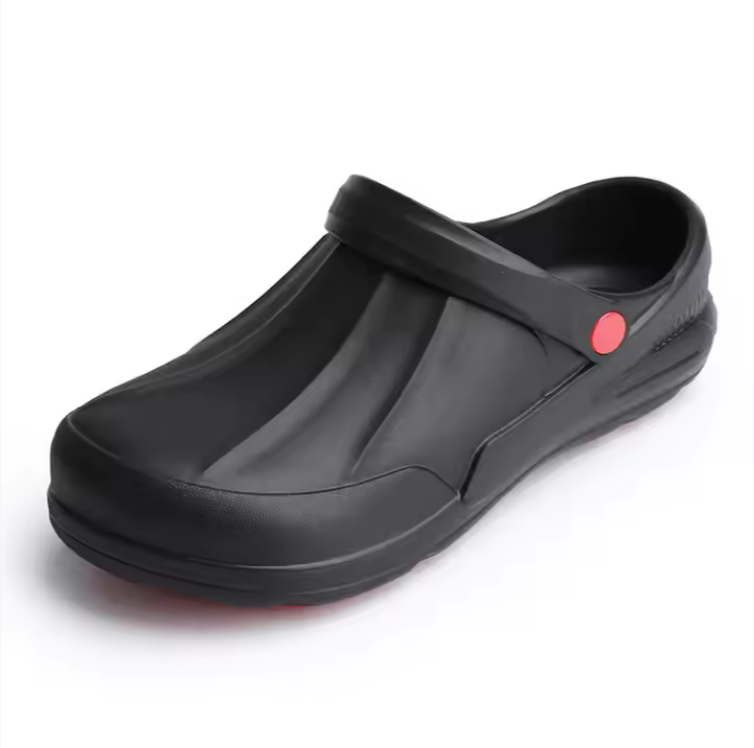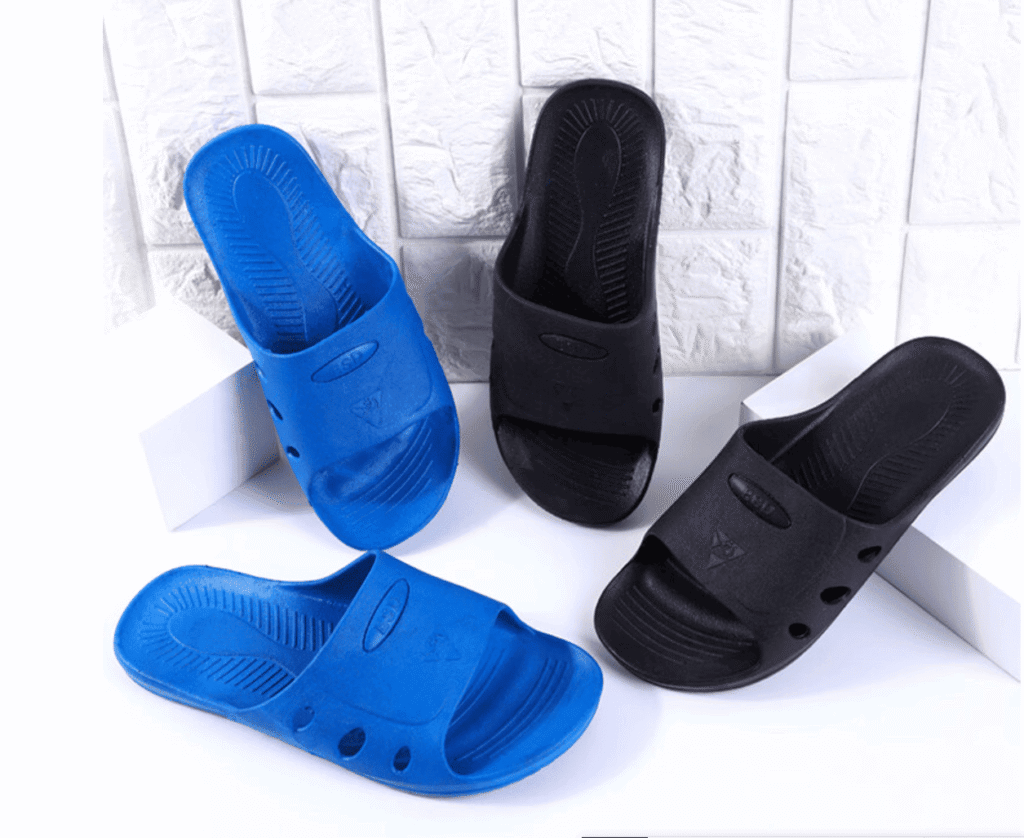
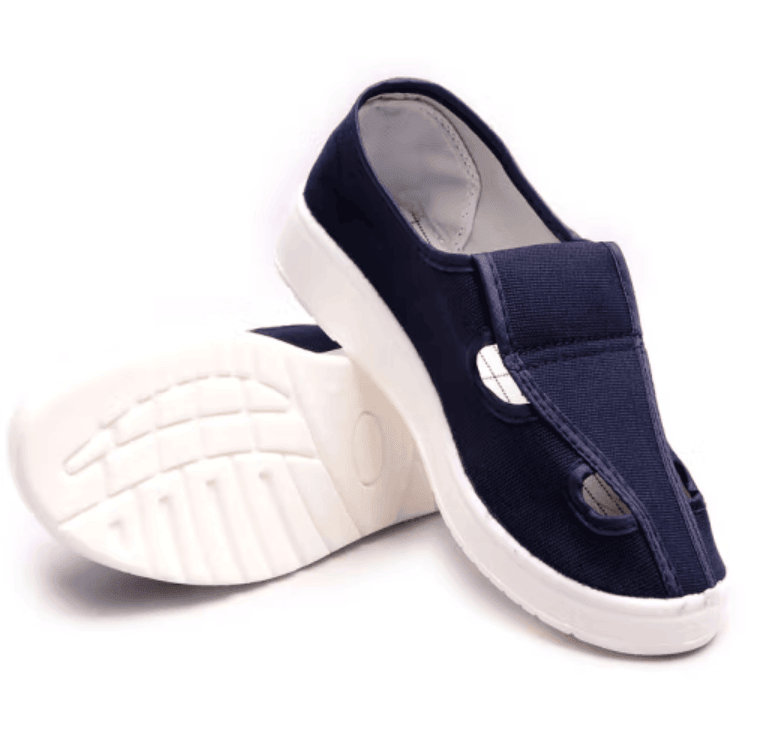
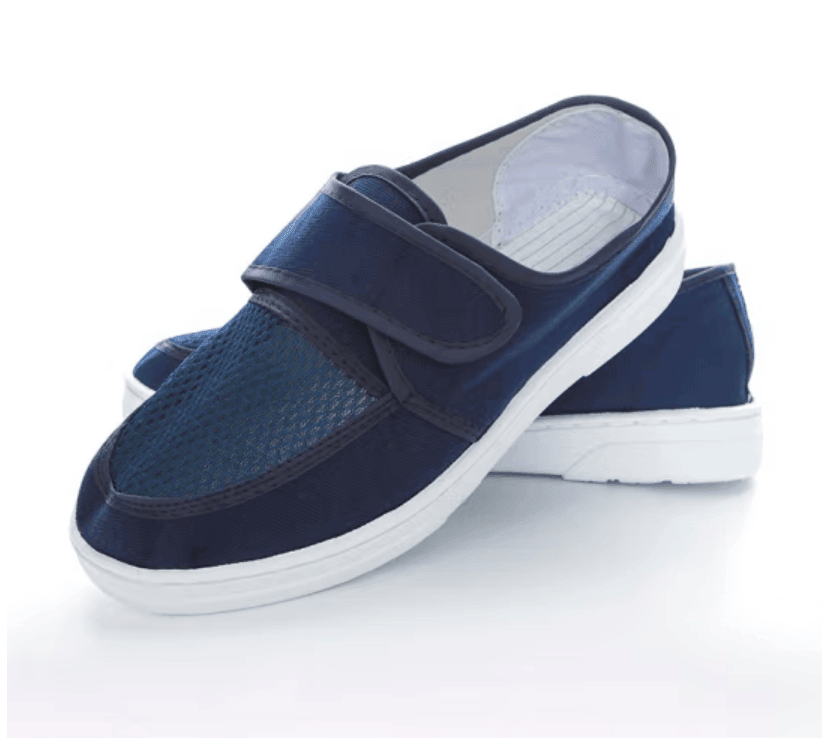

Protect sensitive electronic components while improving operator comfort with reliable ESD shoes designed for electronics manufacturing, PCB assembly, SMT production, laboratories and controlled environments.
ESDBEST supplies anti-static shoes, ESD safety shoes, cleanroom footwear and lightweight ESD work shoes for factories that need consistent personnel-grounding performance.
esd slipper black,cheap esd slipper black,cheap esd slipper blue,cheap price esd slipper black,cheap price esd slipper blue,china esd slipper
esd shoe,esd shoes for men,esd shoes for women,esd shoes for ladies,esd dress shoes
Clean Room, PU Sole, Esd, Anti-static, Mesh Shoes, Anti-static Labor Shoe
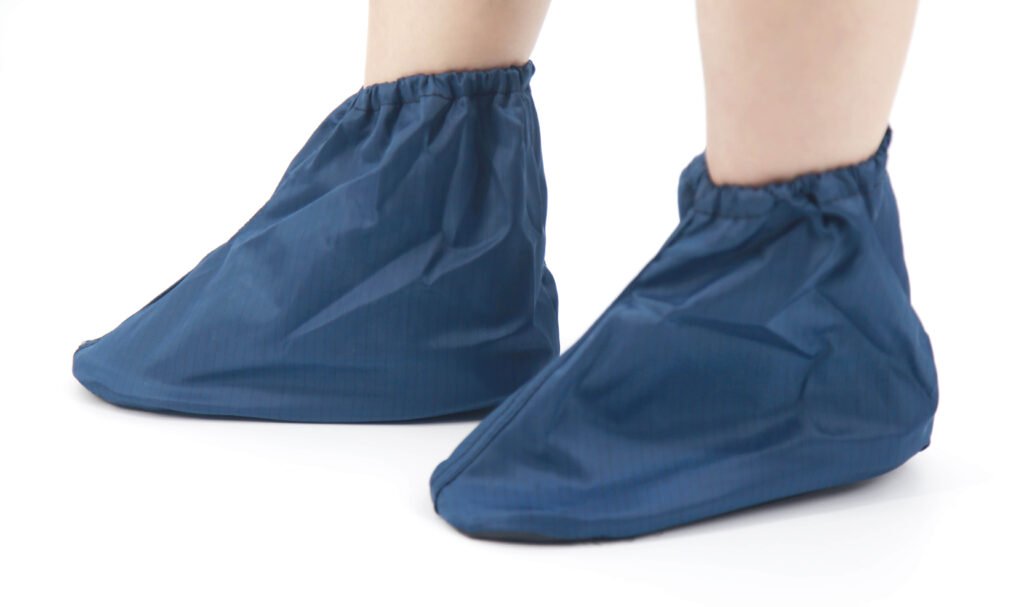
ESD Shoes Cover
Protect your electronics from invisible static damage.
👉 Explore ESD footwear solutions:
https://esdbest.com/esd-shoes/
👉 Contact us for bulk orders and factory pricing.
Designed for electronics assembly, inspection, testing and general production areas where operators stand or walk for long periods.
Recommended for:
ESD footwear with additional workplace-protection features for warehouses, industrial production areas and material-handling operations.
Available configurations may include:
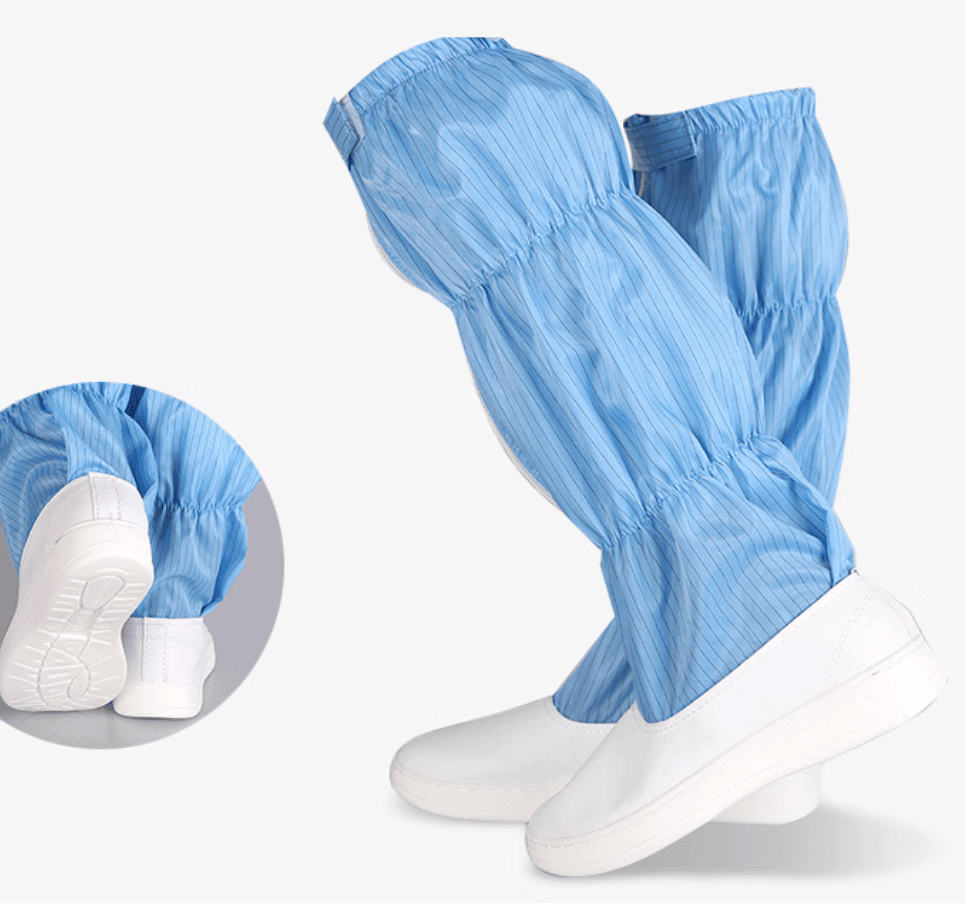
Low-particle-shedding footwear designed for clean production environments and controlled areas.
Recommended for:
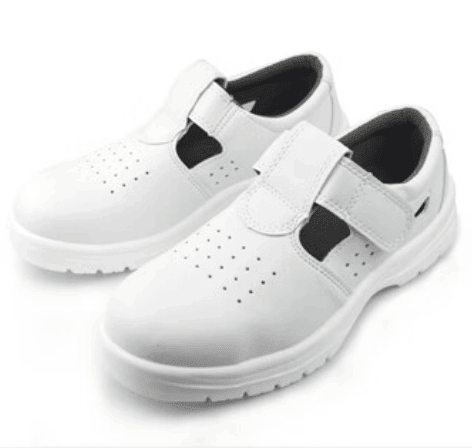
Easy-to-wear anti-static footwear for controlled indoor environments where quick changing and operator convenience are important.
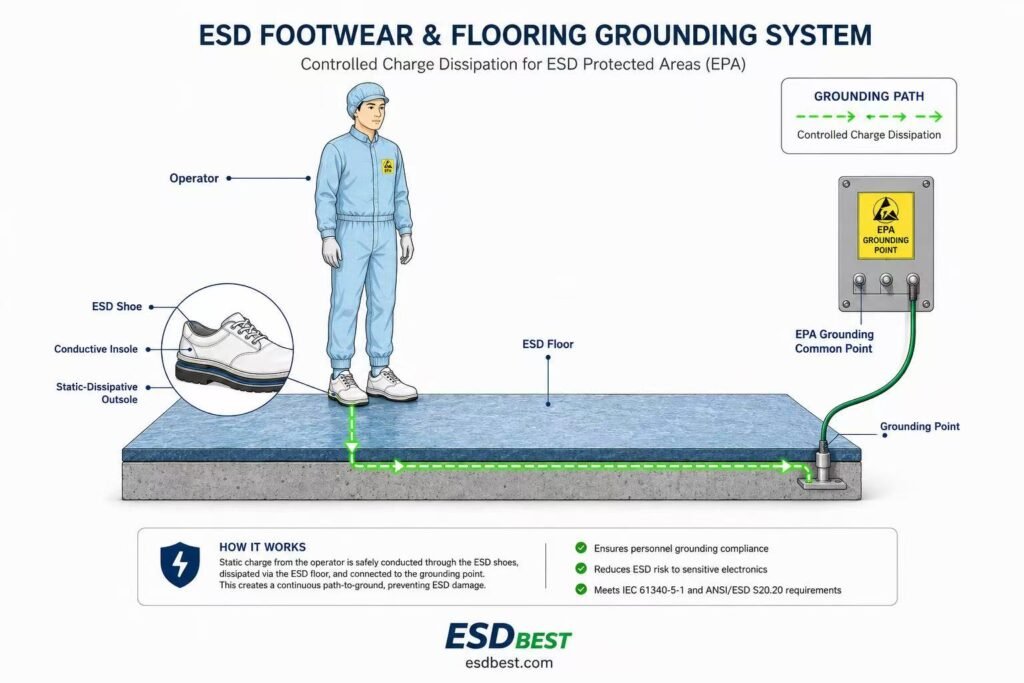
ESD shoes are footwear designed to help control electrostatic charge on a person. They create a controlled electrical path between the wearer and a compatible grounded floor, allowing body charge to dissipate rather than accumulate.
Normal footwear may contain highly insulating rubber, foam or plastic components. Depending on the environment, floor material, humidity and operator movement, these materials can allow electrostatic voltage to build on the body.
When a charged person touches a sensitive circuit board, electronic component or conductive object, the accumulated charge may discharge rapidly.
ESD shoes are designed to reduce this risk by forming part of a personnel-grounding system.
An effective system normally includes:
ESD footwear and flooring should therefore be evaluated as a complete system rather than as unrelated products. IEC 61340-4-5 specifies methods for evaluating the electrostatic protection provided by footwear and flooring in combination with a person, and states that results apply to the particular combination tested.
ESD footwear uses conductive or static-dissipative materials within the insole, midsole and outsole to create a controlled path from the wearer’s body toward the floor.
A typical discharge path is:
Operator’s body
↓
Sock and foot contact
↓
Conductive or dissipative insole
↓
Midsole
↓
ESD outsole
↓
Compatible ESD floor
↓
Grounding system
The objective is not to create an uncontrolled, nearly resistance-free connection. Instead, the footwear system should dissipate charge in a controlled manner while meeting the applicable safety and ESD-control requirements of the facility.
Performance can be affected by:
This is why checking only the resistance of an unused shoe is not enough to confirm real production performance.
One of the most common ESD-control mistakes is purchasing anti-static shoes without checking whether they are compatible with the installed flooring.
An ESD shoe does not send charge into the air. It depends on contact with a suitable floor that provides a path toward ground.
The complete personnel-grounding path is:
Person → ESD shoe → ESD floor → GroundIf one part of this path is too insulating, contaminated, damaged or improperly grounded, charge may remain on the operator.
The ESD Association describes the flooring and footwear combination as a personnel-grounding method. For standing operations, personnel may be grounded through an appropriate footwear/flooring system when the required system conditions are satisfied.
Do not assume that a shoe marked “ESD” will perform correctly on every floor. The footwear and flooring combination should be qualified and periodically verified under the facility’s actual conditions.
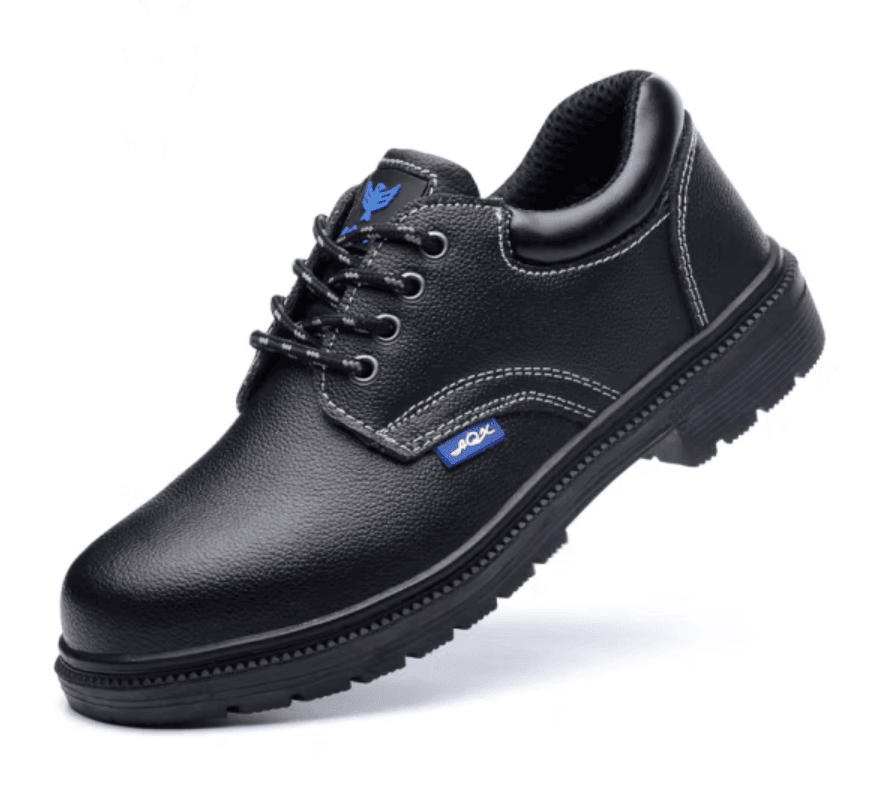
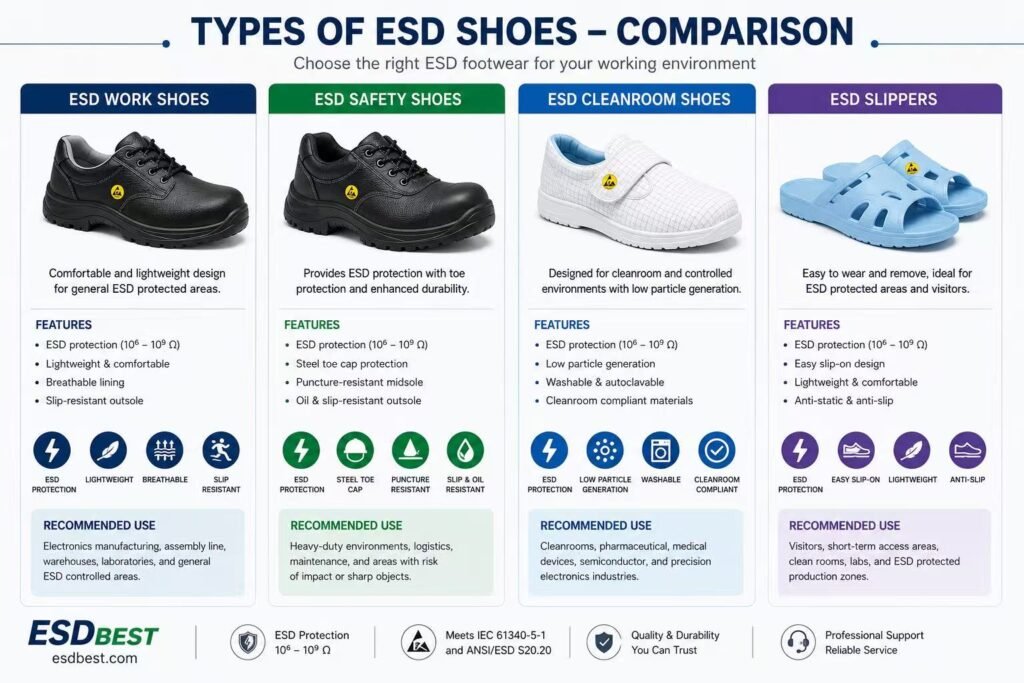
Low-cut ESD shoes provide flexibility and freedom of movement. They are commonly used in electronics assembly, laboratories and indoor production environments.
Advantages:
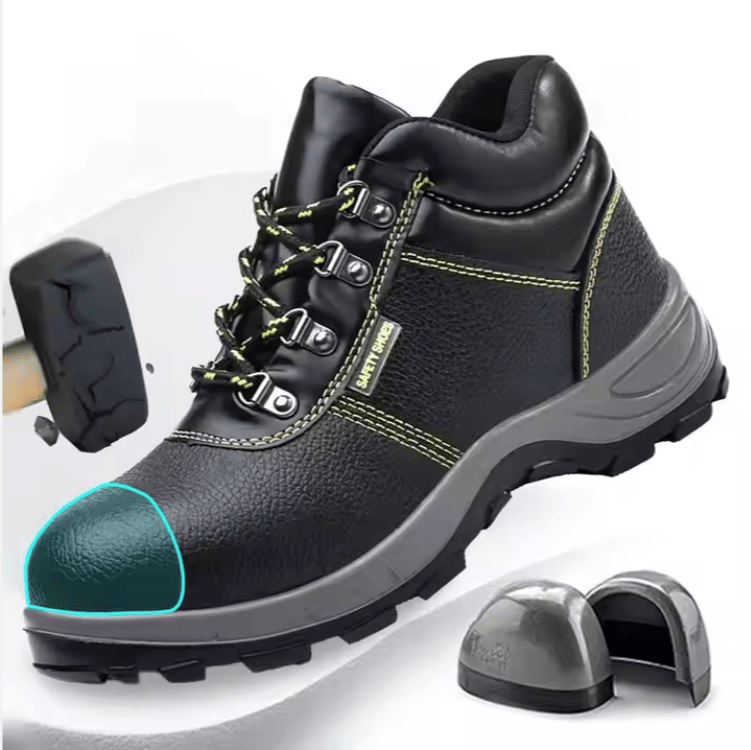
ESD safety shoes combine static-control characteristics with workplace-protection features.
Depending on the model, optional features may include:
ESD performance and safety-toe protection are separate characteristics. Buyers should verify both instead of assuming that one certification automatically confirms the other.
Casual design
Lab or light work
ESD cleanroom shoes are designed for controlled environments where particle generation, cleanliness and contamination control are important.
Common characteristics include:
ESD slippers are convenient for indoor controlled areas and facilities where workers change footwear frequently.
They are often used in:
However, slippers may offer less foot coverage and mechanical protection than enclosed shoes.
ESD boots provide greater ankle coverage and may be selected for warehouses, industrial production or controlled environments requiring additional protection.
• Lightweight
• Comfortable for long hours
• Electronics assembly
ESD safety shoes combine static control with enhanced foot protection for industrial environments. They are commonly used in electronics manufacturing, assembly lines, and production facilities where both electrostatic discharge control and workplace safety are required.
These shoes typically feature reinforced construction, slip-resistant outsoles, and compliance with ESD standards, making them suitable for long hours in demanding industrial settings.
⸻
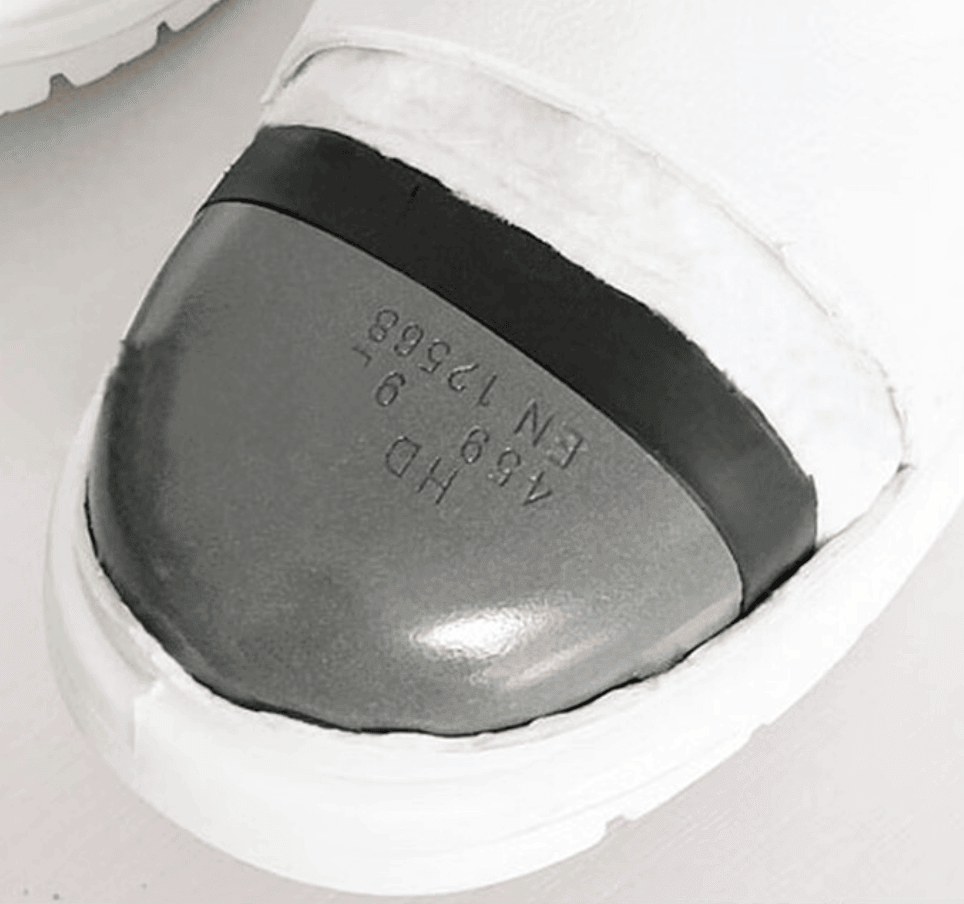
Steel toe ESD shoes are designed for environments that require maximum toe protection against impact and compression hazards. In addition to dissipating static electricity, they provide robust protection for heavy manufacturing, automotive plants, and industrial logistics operations.
They are ideal for workplaces where strict safety regulations apply and mechanical risks are present alongside sensitive electronic equipment.
⸻
Composite toe ESD shoes offer a lightweight alternative to steel toe designs while maintaining effective static control. Made from non-metallic materials, they reduce overall shoe weight and eliminate metal-related concerns such as conductivity or metal detection interference.
These shoes are commonly selected for environments that prioritize comfort, mobility, and long-term wear without compromising ESD protection.
⸻
To better match fit, comfort, and usage scenarios, ESD shoes are also available in designs tailored for specific users and work environments. Options include ESD shoes for men, ESD shoes for women, and ESD dress shoes suitable for office, laboratory, or cleanroom settings. Choosing footwear designed for the correct user group and workplace improves both compliance and wearability.
ESD shoes are an essential part of effective electrostatic discharge control in electronics manufacturing and industrial environments. By providing controlled static dissipation, ESD shoes protect sensitive components, improve workplace safety, and help companies meet ESD compliance requirements.
Whether you need ESD work shoes, safety shoes, or professional ESD footwear for cleanrooms and laboratories, choosing the right ESD shoes ensures long-term reliability and protection.
For bulk orders, quotes, or product guidance, get in touch with our expert team:
Email: sales2@esdbest.com
Phone: +86 137 1427 2599
ESD shoes are only one part of the system.
Combine with:
👉 Learn more:
what-is-esd

Mesh uppers improve ventilation and reduce heat during long production shifts.
Best for:
Synthetic leather offers a smooth appearance, easier cleaning and improved resistance to dust or light splashes.
Best for:
Polyurethane materials are commonly used in footwear components because they can provide flexibility, durability and controlled electrical characteristics when properly formulated.
Cleanroom models may use low-lint fabrics or smooth synthetic materials intended to reduce particle generation.
PU soles can provide a balance of flexibility, cushioning, weight and wear resistance.
PVC may be used in economical anti-static footwear and slippers. Formulation and construction must be controlled because ordinary PVC is not automatically suitable for ESD grounding.
Rubber compounds can provide grip and durability. The compound must be specifically formulated for conductive or static-dissipative performance.
A dual-density sole may combine a softer cushioning layer with a more durable outer layer.
The insole is an important part of the electrical path. Replacing an original ESD insole with an ordinary insulating insole may change the resistance of the footwear system.
Facilities should control:
Any modification affecting the contact path should be evaluated before the footwear is returned to an ESD-protected area.
There is no single resistance number that should be copied onto every ESD shoe specification without considering the test method, footwear construction, floor system and applicable ESD-control program.
Buyers should ask suppliers to identify:
These are different measurements.
Footwear resistance evaluates the electrical characteristics of the footwear according to a defined method.
Person-footwear resistance includes the wearer and the footwear.
Person-footwear-flooring system resistance evaluates the full grounding path used in the workplace.
A shoe may pass an individual footwear test yet perform differently when used with a particular floor, sock, insole or operator.
IEC 61340-4-5 specifically evaluates footwear and flooring in combination with a person. It also warns that results are valid only for the tested footwear-flooring combination.
ANSI/ESD S20.20 provides a framework for establishing an ESD-control program for electrical and electronic parts, assemblies and equipment.
Personnel grounding, flooring and footwear are among the control elements addressed by the program.
IEC 61340-5-1 is a central international standard for protecting electronic devices from electrostatic phenomena. It is supported by IEC TR 61340-5-2, which provides implementation guidance.
IEC 61340-4-5 provides test methods for evaluating electrostatic protection from a footwear-flooring system in combination with a person.
IEC TS 61340-5-4 describes compliance-verification testing for technical items included in ESD-control programs.
Always use the edition and requirements specified by the customer, auditor or facility ESD-control plan.
ESD footwear should be checked before use and at intervals defined by the facility’s ESD-control program.
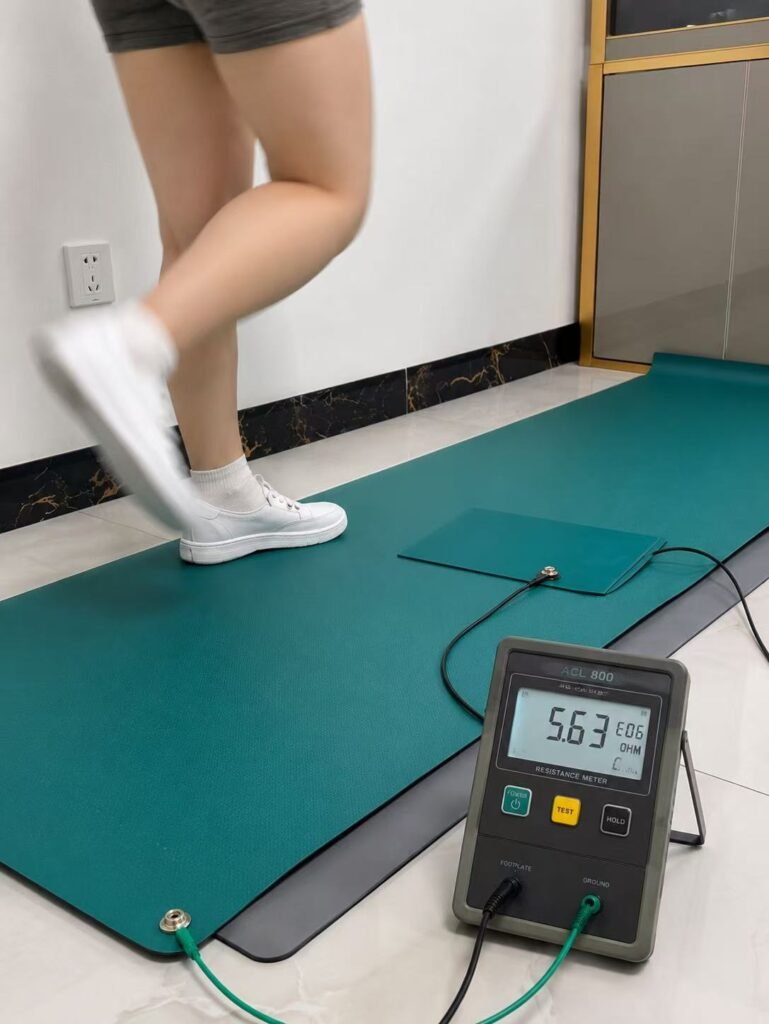
A footwear tester is commonly installed at the entrance to an ESD-protected area.
Typical procedure:
A failed result may be caused by:
This evaluates the combined grounding path under actual or representative workplace conditions.
The operator wears the footwear while standing on the relevant floor. Resistance is then measured through the person, footwear and floor according to the selected test method.
Resistance alone does not describe every aspect of charge generation.
A walking-voltage or body-voltage test evaluates how much voltage develops as a person walks on a particular floor while wearing the selected footwear.
The ESD Association notes that footwear/flooring performance includes controlling body-voltage generation, not merely checking a floor or shoe as an isolated product.
Incoming footwear inspection
↓
Initial tester verification
↓
Footwear-flooring qualification
↓
Daily or shift-entry operator check
↓
Scheduled floor and footwear inspection
↓
Cleaning and corrective action
↓
Retest and documentationOperators handling printed circuit boards may generate charge while walking, standing, moving trays or changing work positions.
ESD footwear helps maintain personnel grounding when used with a qualified floor system.
SMT lines process electrostatic-sensitive components at high speed. ESD shoes may be used throughout material preparation, placement, inspection, rework and packaging areas.
Semiconductor environments may require both electrostatic control and strict contamination control. Cleanroom-compatible ESD footwear may therefore be necessary.
Repair technicians frequently move between workbenches, test equipment and storage locations. ESD shoes can support mobile personnel grounding where a compatible floor is installed.
Laboratories handling sensors, electronic instruments, optical devices or sensitive assemblies may use ESD footwear as part of a controlled environment.
Some battery-production processes require carefully defined electrostatic-control and workplace-safety procedures. Footwear selection must follow the facility’s specific risk assessment.
Manufacturing diagnostic devices, control boards and other electronic medical equipment may require personnel-grounding controls.
Electronic control units, sensors, communication modules and other assemblies may contain devices vulnerable to electrostatic discharge.
Cleanroom footwear may need to satisfy several requirements simultaneously:
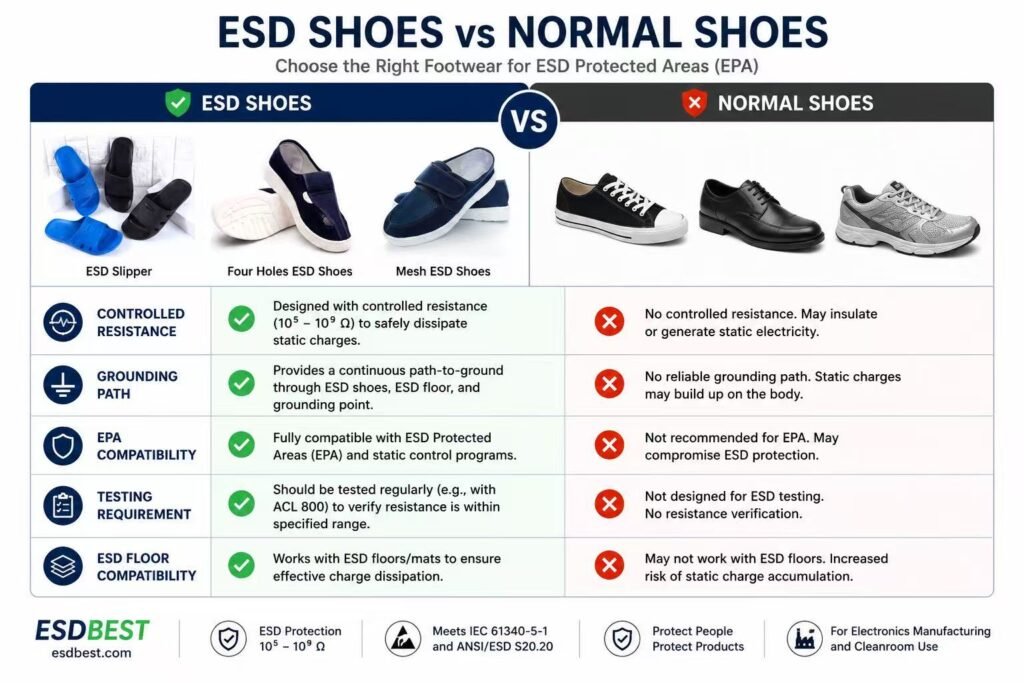
| Feature | ESD Shoes | Normal Shoes |
|---|---|---|
| Static-control design | Yes | Usually no |
| Controlled path through sole | Designed for it | Not assured |
| Suitable for EPA use | When qualified | Generally not |
| System testing with ESD floor | Required or recommended | Not normally performed |
| Cleanroom models | Available | Limited |
| Safety-toe options | Available | Available |
| Routine ESD verification | Yes | No |
Normal shoes may use insulating foam, rubber or plastic that interrupts the body-to-floor grounding path.
Visual appearance cannot confirm ESD performance. Two shoes may look almost identical while having very different electrical characteristics.
The terms “ESD shoes” and “anti-static shoes” are often used interchangeably in product listings, but buyers should not rely on the name alone.
“Anti-static” can describe footwear intended to reduce charge accumulation in a general workplace-safety context.
“ESD footwear” is usually selected as part of a defined electrostatic-control system used around electrostatic-sensitive devices.
Before purchasing, verify:
The specification and verified performance are more important than the marketing name.
| Consideration | ESD Shoes | Heel Straps |
| Convenience | Integrated into footwear | Added to normal shoes |
| Operator consistency | Generally higher | Depends on correct fitting |
| Visitor use | Less convenient | Convenient for temporary access |
| Long-term use | Suitable | May require frequent adjustment |
| Cleaning | Shoe maintenance required | Strap maintenance required |
| Contact | Designed across footwear system | Often heel-dependent |
| Upfront cost | Higher | Lower |
| Comfort | Depends on shoe design | Depends on strap and footwear |
Heel straps can be useful for visitors, temporary workers or facilities that do not issue dedicated ESD shoes.
Dedicated footwear may provide more consistent daily use because the static-control path is integrated into the shoe. However, both approaches must be tested with the actual flooring system.
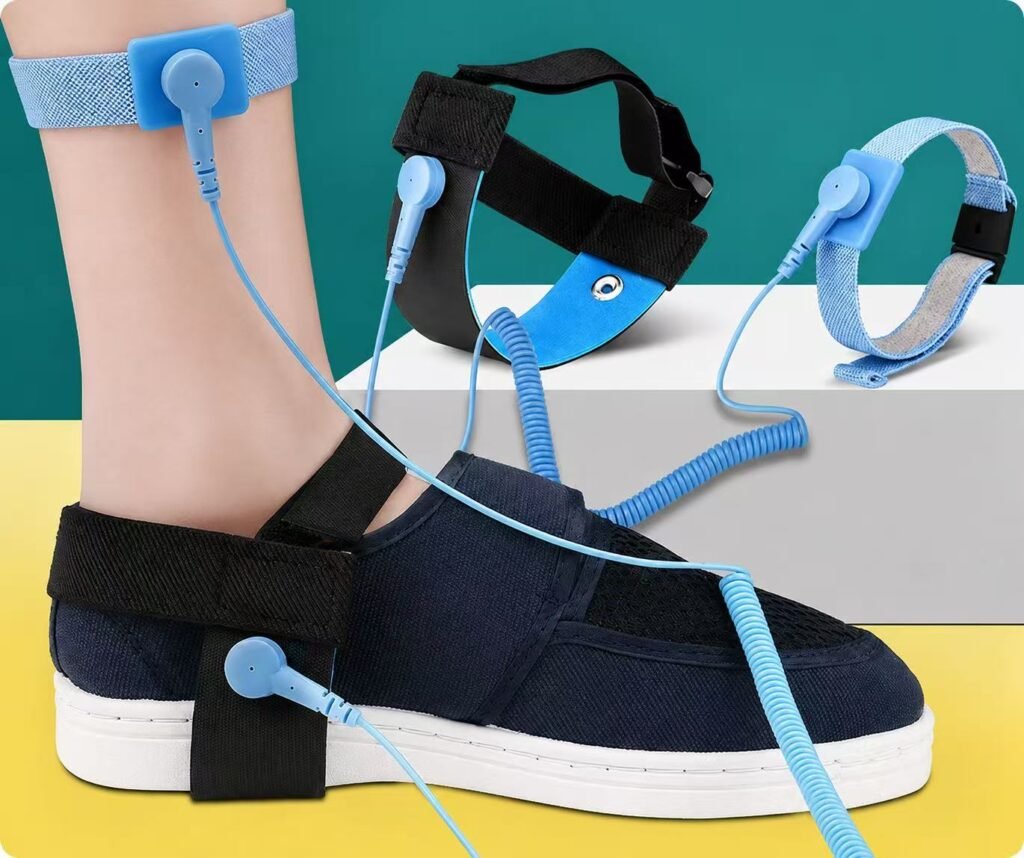
ESD shoes and wrist straps do not always serve the same operating condition.
Wrist straps provide direct personnel grounding at a workstation. They are especially important when a person is seated, because the person may lift both feet from the floor and lose contact with the footwear-flooring system.
The ESD Association notes that seated personnel should not depend solely on footwear contact where the grounding path can be interrupted.
A practical approach is:
Do not remove wrist-strap requirements simply because workers are wearing ESD shoes.
Determine whether the footwear will be used in:
Identify:
Possible requirements include:
Request a report showing:
Before a large order:
Poorly fitting footwear may lead workers to modify the shoe, add ordinary insoles or avoid wearing it correctly.
Check:
For factory-wide deployment, confirm:
Use the supplier’s model-specific size chart rather than assuming all styles fit identically.
For better sizing:
Do not solve a poor fit by adding an unverified insulating insole.
Dirt, wax, oil, adhesive, dust and worn sole material can affect the contact between footwear and flooring.
Use a cleaning method compatible with:
Avoid applying ordinary polish, wax or coatings to the outsole unless they have been evaluated for ESD compatibility.
Replace or investigate footwear when:
Do not establish replacement intervals based only on calendar age. Actual life depends on walking distance, floor condition, operator weight, contamination and footwear construction.
A single number does not describe the complete test method or the shoe-floor system.
Footwear must be compatible with the actual grounded floor.
Mechanical safety protection and electrostatic performance must be verified separately.
An insulating insole can interrupt the electrical path.
Footwear performance can change through wear, contamination and cleaning.
Thick or insulating socks may affect body-to-insole contact.
Comfort problems can reduce compliance and encourage unauthorized footwear modifications.
Seated operators may lose floor contact and may require wrist-strap grounding.
Terminology varies. Always review the application, test method and system requirements.
Qualification and routine verification should be documented according to the facility’s ESD-control program.
ESDBEST supplies ESD footwear for electronics factories, cleanrooms, laboratories, warehouses and industrial distributors.
Available customization options may include:
For an accurate quotation, provide:
Request an ESD Shoe Quote
Email: sales2@esdbest.com
Phone/WhatsApp: +86 137 1427 2599
ESD shoes are footwear designed to help dissipate electrostatic charge from a person through a compatible grounded floor. They are commonly used in electronics manufacturing and other ESD-controlled environments.
They use conductive or static-dissipative components to create a controlled electrical path between the wearer and an appropriate ESD floor.
Not necessarily. Their performance depends on the shoe and floor working together. An insulating or ungrounded floor may interrupt the grounding path.
A compatible static-control floor or grounded floor system is normally required when shoes are being used for personnel grounding.
Not in every operation. Seated operators may lose contact with the floor, so wrist straps or another qualified grounding method may still be required.
The terms are sometimes used interchangeably, but their specifications and intended applications may differ. Buyers should verify the test method and required performance.
No. Safety-toe protection does not automatically indicate ESD performance.
The testing frequency should be defined by the facility’s ESD-control program. Many facilities test footwear before entry into an ESD-protected area or at the beginning of a shift.
Possible causes include dirty soles, worn material, insulating socks, ordinary replacement insoles, poor foot contact, dry conditions, damaged footwear or incorrect tester settings.
Only after verifying that the insole does not interfere with the body-to-footwear electrical path.
Some models can be cleaned or washed, but the correct method depends on the upper, sole and adhesive construction. Follow the supplier’s instructions and retest the footwear after cleaning.
Service life varies according to walking distance, operator weight, floor condition, contamination, cleaning and sole construction. Routine testing is more reliable than relying only on a fixed replacement date.
Yes, although heel straps or visitor footwear may be more practical for short-term access. Whatever method is used must be compatible with the floor and verified.
They may be suitable for controlled indoor areas, but they generally provide less coverage and mechanical protection than enclosed shoes.
Use socks compatible with the footwear system and facility procedure. Very thick or highly insulating socks can affect contact between the wearer and the insole.
Some industrial models may tolerate limited outdoor use, but outdoor dirt, moisture and sole wear can affect performance. Retest footwear before entering an EPA.
It is the complete grounding path consisting of the person, ESD footwear, compatible flooring and the floor-ground connection.
Where the footwear tester supports separate left-foot and right-foot testing, both shoes should be checked according to the facility procedure.
Not automatically. The correct choice depends on the application, safety requirements, floor system and applicable standard.
It should identify the product, test method, test voltage, environmental conditions, samples, results, date and testing organization or equipment.
System resistance and walking body-voltage generation are related but distinct performance considerations. Facilities may need to evaluate both.
Cleanroom-compatible models can use low-lint and easy-to-clean materials, but ESD performance alone does not establish cleanroom classification.
Yes, provided the selected model satisfies the facility’s ESD, cleanroom, contamination and safety requirements.
Manufacturers may offer custom colors, logos, sizes, packaging, uppers, soles and safety features depending on order volume.
Test representative samples on the actual production floor, using several operators and the relevant resistance and walking-voltage procedures.
Learn how footwear connects with the rest of an ESD-control system:
ESD shoes are only one part of a complete static-control system.
A complete ESD work area may include:
Contact ESDBEST to discuss footwear, floor mats, workbench materials and other ESD-control products for your facility.
Request a Bulk Quote
Ask for Samples
Download the ESD Footwear Specification