? How They Prevent Static Damage in Electronics
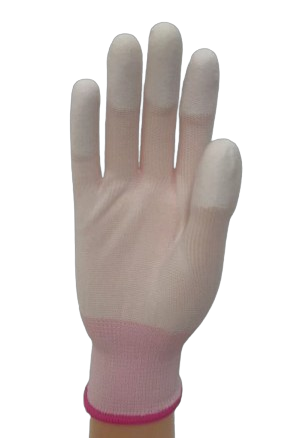
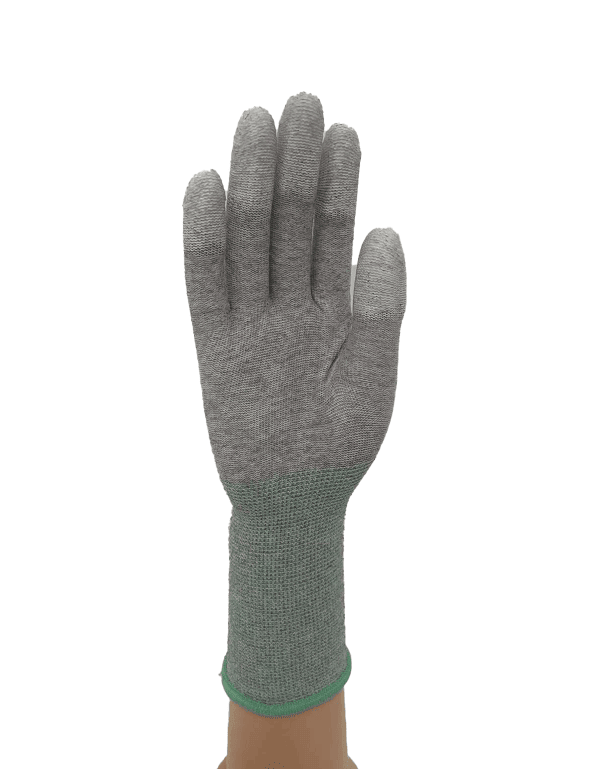
Do ESD Gloves Work?
Yes — but only if used correctly.
ESD gloves help reduce static risk when handling sensitive electronics.
But many people misunderstand how they actually work.
In this guide, you’ll learn:
- Do ESD gloves really work
- How they prevent static damage
- When they are effective
- What mistakes to avoid
Yes, ESD gloves work when they are properly designed, tested, and used as part of a complete ESD control system.
But ESD gloves are not magic.
They work best when combined with:
-
ESD-safe packaging
-
EPA workstations
👉 learn more:/how-to-build-esd-workstation/
How ESD Gloves Protect Electronics
ESD gloves help reduce static discharge risk by providing a controlled path for static charge dissipation.
They protect electronics by:
-
Reducing charge buildup on hands
-
Preventing sudden discharge to PCB components
-
Improving safe handling during assembly
-
Reducing contamination from bare hands
Why Some People Think ESD Gloves Don’t Work
ESD gloves may fail when:
-
They are not real ESD gloves
-
Resistance is too high
-
Gloves are dirty or worn out
-
Workers use them incorrectly
-
No grounding system is used
-
The factory ignores insulators such as plastics
ESD control is a system, not one product.
ESD Gloves vs Bare Hands
Bare hands can transfer oils, moisture, and static charge to components.
ESD gloves reduce direct contact and help create safer handling conditions.
| Handling Method | Static Risk | Contamination Risk |
|---|---|---|
| Bare hands | High | High |
| Normal gloves | Medium/Unknown | Medium |
| ESD gloves | Controlled | Low |
When ESD Gloves Work Best
They work best in:
-
SMT lines
-
Electronics repair
-
Semiconductor handling
-
Component inspection
-
Cleanroom production
👉 Learn more:/esd-gloves-for-pcb-assembly/
When ESD Gloves Are Not Enough
ESD gloves alone may not control:
-
Plastic trays
-
Foam packaging
-
Insulating films
-
Ungrounded worktables
-
Dry air static buildup
In these cases, use ionizers and grounding.
👉 Learn more:/ionizer-vs-grounding/
How to Make ESD Gloves Work Properly
Checklist:
-
Choose certified ESD gloves
-
Check resistance range
-
Replace worn gloves
-
Use with ESD mats
-
Train operators
-
Test regularly
Want ESD gloves that actually work?
ESDBEST supplies factory-grade ESD gloves for PCB assembly and electronics manufacturing.
✔ Stable resistance
✔ PU / nitrile options
✔ Bulk supply
✔ OEM supported
Do ESD Gloves Work?
Yes, ESD gloves work by helping control electrostatic charge.
They reduce static buildup and support safer handling of sensitive electronic components.
That is why they are widely used in electronics manufacturing, PCB assembly, and ESD-protected environments.
How Do ESD Gloves Work?
ESD gloves are made with conductive or dissipative materials such as carbon fiber blends.
- Reduce static buildup
- Distribute charge more evenly
- Support controlled discharge
👉 Learn more: what are ESD gloves
Need ESD gloves that actually work for electronics handling?
Compare glove options for grip, precision, and durability.
Button: View ESD Gloves
📞 Contact Us Today
Email: sales2@esdbest.com
Whatsapp: +86 137 1427 2599
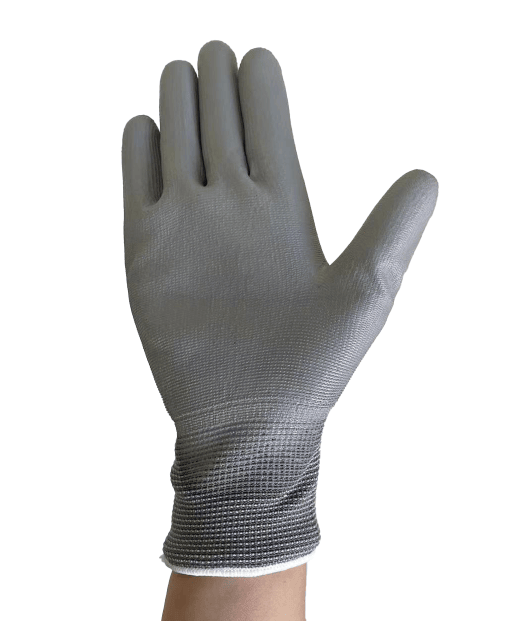
Do ESD Gloves Prevent Static Completely?
No. ESD gloves do not eliminate static completely.
They work best as part of a full ESD protection system, including:
- Grounding
- ESD mats
- Wrist straps
- Proper workstation setup
ESD Gloves vs Normal Gloves
| Feature | ESD Gloves | Normal Gloves |
|---|---|---|
| Static Control | ✔ Designed to control static | ✖ No control |
| Charge Dissipation | ✔ Controlled | ✖ Uncontrolled |
| Electronics Safety | ✔ Safe | ⚠ Risk |
| Best Use | Electronics / PCB | General work |
Important: You may not feel static, but electronics can still be damaged.
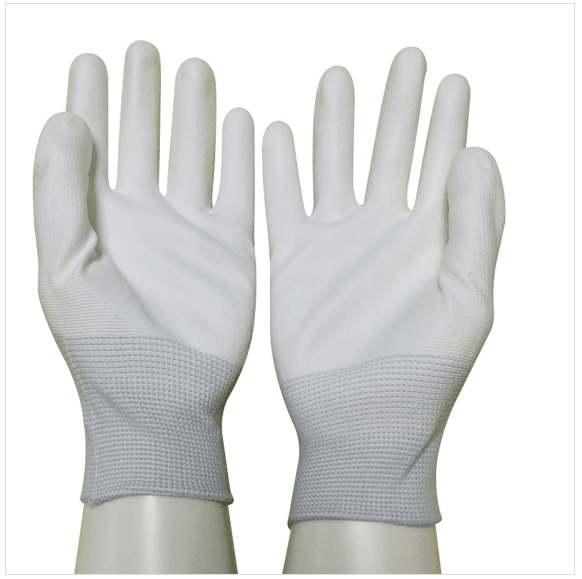
Do Anti Static Gloves Work?
Anti static gloves can reduce static buildup, but not all of them provide full ESD protection.
In electronics manufacturing, ESD gloves are usually the safer and more precise option.
When Do ESD Gloves Work Best?
- PCB assembly
- Electronics manufacturing
- Semiconductor handling
- Repair work
- ESD protected areas
When Do ESD Gloves Not Work Well?
- No grounding
- Poor ESD environment
- Damaged gloves
- Wrong glove type
Using the right glove in the right system is critical.
What Type of ESD Gloves Work Best?
- PU gloves: precision work
- ESD nitrile gloves: better grip and durability
- Carbon fiber gloves: static control focus
If your work needs durability and grip, nitrile-coated gloves are often the best choice.
Final Answer: Do ESD Gloves Really Work?
Yes, ESD gloves work.
They reduce static risk and protect sensitive electronics.
But they must be used correctly as part of a full ESD protection system.
Need ESD Gloves That Actually Work?
Choosing the wrong gloves can increase defect risk.
✔ Bulk supply
✔ OEM available
✔ Factory direct pricing
Frequently Asked Questions
Do ESD gloves work?
Yes, they help control static and reduce risk in electronics handling.
Do anti static gloves work?
They can help, but not all are true ESD gloves.
Do ESD gloves prevent static completely?
No, they reduce risk but do not eliminate static.
Are ESD gloves effective for PCB work?
Yes, they are commonly used in PCB assembly.
Can normal gloves do the same job?
No, they do not control static effectively.
What type of ESD gloves should I use?
Choose based on precision or durability needs.
Do ESD gloves really work?
Yes, when used correctly with grounding and ESD-safe workstations.
Can ESD gloves stop all static damage?
No single product stops all static risk. Gloves should be part of a complete ESD system.
Why do ESD gloves fail?
They may fail because of poor materials, wrong resistance, wear, contamination, or incorrect use.
Do ESD gloves need grounding?
They perform best when used in a grounded ESD system.