



ESD Nitrile Gloves for Electronics Manufacturing

Protect sensitive electronics from static damage while improving grip, durability, and handling performance in real factory environments.

Intro

In electronics manufacturing, static electricity is one of the most underestimated causes of product failure. It cannot always be seen, and in many cases it cannot even be felt by the human body. Yet it can still damage sensitive components, reduce long-term reliability, and create hidden failures that appear only after a product reaches the customer.

That is why ESD protection is essential in any environment where electronic assemblies, PCB boards, chips, connectors, or semiconductor components are handled.

Among the most practical and widely used solutions are ESD nitrile gloves.

These gloves combine two critical functions. First, they help control static electricity so workers can handle sensitive electronics more safely. Second, nitrile-coated designs add grip, durability, and resistance for real factory work. This makes them especially useful in electronics assembly lines, repair benches, industrial workstations, and production environments where precision and protection both matter.

In this guide, you will learn:

  • What ESD nitrile gloves are

  • How they work

  • ESD nitrile gloves vs standard ESD gloves

  • ESD nitrile gloves vs normal nitrile gloves

  • The advantages of nitrile-coated anti static gloves

  • How to choose the best option for your factory

  • Common buying mistakes and performance issues

  • How ESD nitrile gloves fit into a complete static-control system

If you are looking for professional gloves for electronics handling, this guide will help you make the right decision.

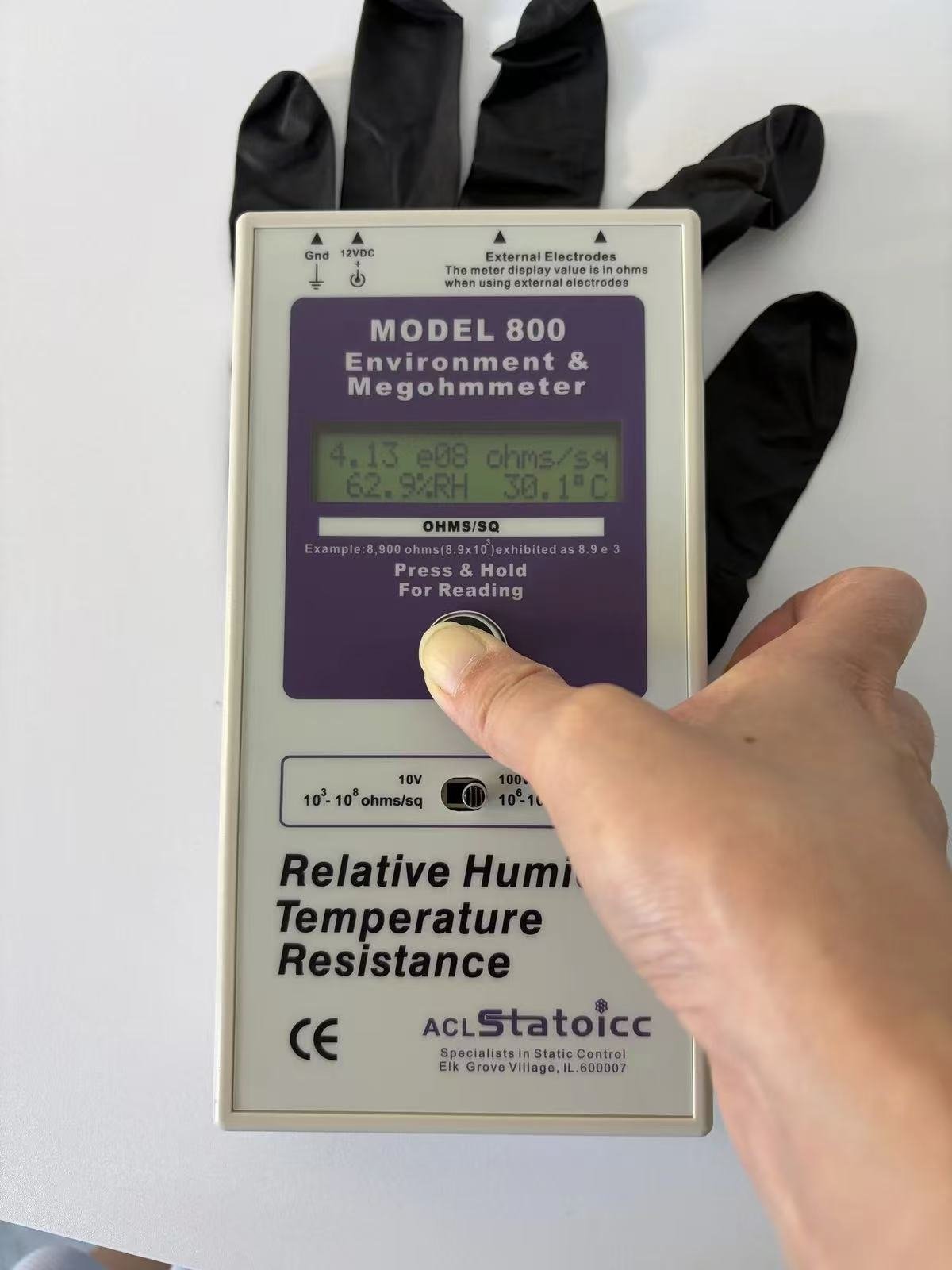
Are Nitrile Gloves ESD Safe
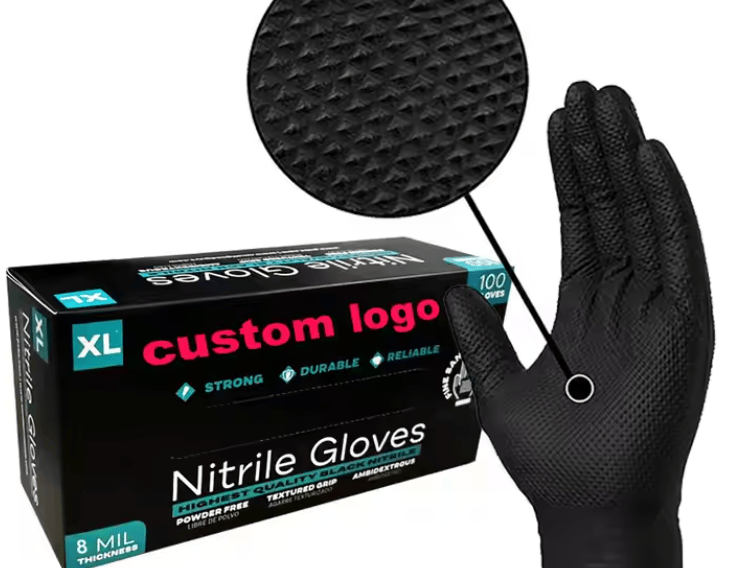
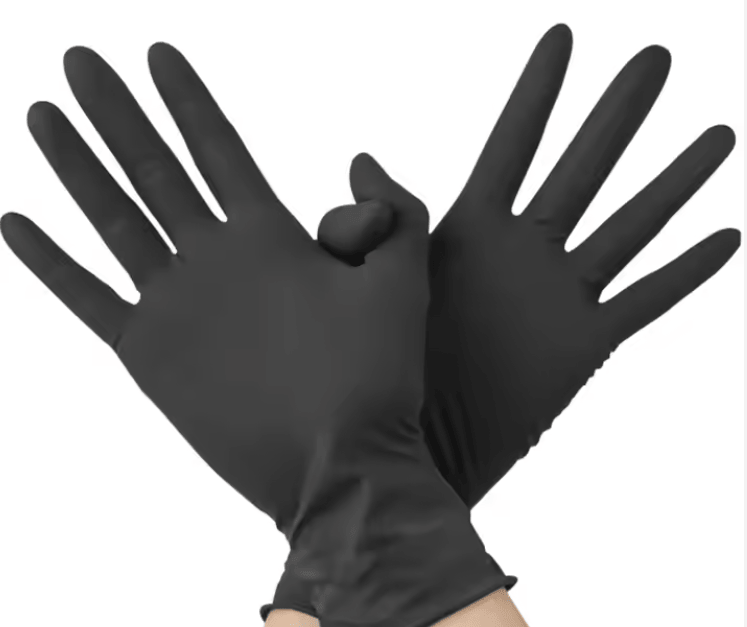
Black nitrile gloves for industrial and workshop use

 What Are ESD Nitrile Gloves?

ESD nitrile gloves are anti-static work gloves designed to help reduce the risk of electrostatic discharge while providing the grip and durability benefits of nitrile coating.

In most cases, these gloves are made with:

  • A knitted polyester liner

  • Conductive or carbon fiber yarns

  • A nitrile-coated palm or fingertips

This combination allows the glove to serve two purposes at once:

  1. Static control for electronics handling

  2. Mechanical performance for factory work

That is what makes ESD nitrile gloves different from many ordinary gloves. Standard work gloves may protect the hand from abrasion or improve grip, but they do not necessarily control static electricity. On the other hand, some basic ESD gloves offer static performance but may not provide enough durability or oil resistance for real industrial use.

ESD nitrile gloves bridge that gap.

They are commonly used in:

  • PCB assembly

  • Electronics repair

  • SMT production

  • Semiconductor handling

  • Product testing stations

  • Clean production environments

  • Industrial electronics manufacturing

In simple terms, ESD nitrile gloves are designed for users who need both electrostatic protection and practical work performance.


 Why Static Electricity Is a Serious Problem in Electronics Work

To understand why ESD nitrile gloves matter, it is important to understand the risk they are designed to reduce.

Static electricity builds naturally through contact and separation between materials. Walking, handling plastic trays, touching packaging, wearing synthetic fabrics, and moving across a workspace can all generate charge. In normal life, static may only feel like a small shock. In electronics manufacturing, that same phenomenon can be a major quality problem.

Sensitive electronic components can be damaged by relatively low levels of discharge. This is especially dangerous because humans do not feel low-level static discharge the way electronic components “feel” it.

That leads to two types of failure:

Catastrophic Failure

The component fails immediately. The problem is obvious during testing.

 Latent Failure

The damage is hidden. The product still works at first, but fails later during use. This is often more costly because it can lead to warranty returns, customer complaints, and brand damage.

This is why factories use ESD protection systems instead of relying on guesswork. Gloves, mats, shoes, grounding, and ionization all work together to reduce the risk.

If your product quality matters, static control is not optional. It is part of process control.


 How Do ESD Nitrile Gloves Work?

ESD nitrile gloves work by helping static electricity dissipate in a controlled way rather than allowing it to build up and discharge suddenly.

The liner of the glove typically includes conductive fibers or carbon yarns. These create a path for electrostatic charge to move more safely through the glove system. The nitrile coating adds grip and durability, while the ESD liner supports static-control performance.

The key idea is not to make the glove “highly conductive” in the casual sense. The goal is controlled dissipation.

A good ESD nitrile glove helps by:

  • Reducing uncontrolled static buildup

  • Allowing safer handling of ESD-sensitive parts

  • Supporting a more stable electrostatic protected area

  • Improving grip for precision tasks

  • Protecting the user’s hands in industrial operations

When used as part of a complete workstation setup, ESD nitrile gloves help reduce discharge risk during handling, assembly, packing, testing, and repair.


 ESD Nitrile Gloves vs Standard ESD Gloves

This is one of the most important buying questions.

Not all ESD gloves are the same. Some are lightweight PU-coated gloves. Some are palm-coated with polyurethane. Others use nitrile coating for extra durability and grip. The right option depends on the job.Standard ESD gloves

These are often lighter, more breathable, and suitable for cleaner precision work. PU-coated models are common in electronics assembly because they support dexterity.

 ESD nitrile gloves

These add stronger grip, higher abrasion resistance, and better oil resistance in many applications. They are often more suitable for industrial workstations or tougher production conditions.

Quick comparison

FeatureStandard ESD GlovesESD Nitrile Gloves
Static controlYesYes
GripGoodStrong
DurabilityModerateHigher
Oil resistanceLimitedBetter
Fine dexterityVery goodGood
Industrial handlingModerateBetter

Bottom line

If your work requires more robust handling, oily environments, or stronger wear resistance, ESD nitrile gloves are often the better choice.


ESD Nitrile Gloves vs Normal Nitrile Gloves

This comparison is essential, because many buyers confuse the words “nitrile gloves” with “ESD nitrile gloves.”

 Normal nitrile gloves

These are commonly used for chemical resistance, cleanliness, or disposable hand protection. They are not automatically designed for static control.

 ESD nitrile gloves

These are specifically designed for electronics-safe environments. Their liner and structure support electrostatic control while the nitrile coating improves mechanical performance.

Comparison table

FeatureNormal Nitrile GlovesESD Nitrile Gloves
Designed for ESD controlNoYes
Suitable for electronics handlingNot reliablyYes
GripYesYes
DurabilityDependsUsually stronger for ESD work
Static dissipationNoYes

Key takeaway

If you work with sensitive electronics, a normal nitrile glove is not a substitute for an ESD nitrile glove.


 Main Advantages of ESD Nitrile Gloves

Why do many factories prefer nitrile-coated anti-static gloves? Because they solve several practical problems at once.

 1. Better grip

Nitrile coating improves grip, especially when handling components, tools, trays, and small parts.

2. Better abrasion resistance

Compared with many light-duty glove coatings, nitrile often handles repeated industrial use better.

 3. Better suitability for tougher work

Factories need gloves that can survive real production use, not just lab demonstrations.

4. Static-control capability

The ESD liner helps make the glove suitable for electronics-sensitive environments.

 5. More confidence in industrial applications

For buyers who need anti-static performance but do not want to sacrifice mechanical durability, ESD nitrile gloves often provide a balanced solution.


 Where Are ESD Nitrile Gloves Used?

ESD nitrile gloves are widely used where electronics protection and practical hand performance need to exist together.

Typical applications include:

 PCB assembly

Workers handle boards, components, tools, and fixtures. Static protection and grip are both important.

 Electronics repair

Repair stations often involve repeated handling of components and boards. A better grip helps.

Industrial production lines

Some factory tasks require stronger glove durability than very light ESD glove options can provide.

 Semiconductor and precision handling

In some environments, ESD control is critical while coating durability also matters.

Testing and inspection

Workers need to handle parts confidently without increasing static risk.

Packaging and material handling

When electronics products are packed or moved, static-safe gloves reduce handling risk.

If your operation combines precision with repetitive factory handling, ESD nitrile gloves are often one of the most practical choices.


Key Specifications Buyers Should Check

Many buyers only ask for price first. That is a mistake. A better approach is to confirm whether the glove actually matches the job.

Here are the key specifications to review.

Coating type

Is it full nitrile, palm nitrile, fingertip nitrile, or another coating style? Palm-coated gloves are common because they balance grip and breathability.

 Liner material

Check whether the liner includes carbon fiber or conductive yarns for ESD use.

Resistance range

Only use real tested values. For ESD products, real technical data builds trust and improves conversion.

Size range

Comfort affects productivity. Gloves that fit poorly lead to fatigue, reduced control, and user complaints.

Color options

Useful for product line selection or factory visual management.

 Application suitability

A glove for precision PCB work may not be the same glove needed for rougher industrial assembly.

 OEM and customization

For B2B buyers, custom sizing, logo, packaging, and coating requirements may matter.


 How to Choose the Best ESD Nitrile Gloves

Choosing the right glove depends on the actual working environment. The best glove for one factory may not be the best for another.

 1. Understand the application

Is the work fine assembly, repair, packing, industrial handling, or mixed use?

 2. Check grip requirements

If parts are small or slippery, grip performance matters.

3. Evaluate wear conditions

If gloves are used for long shifts or repeated abrasion, stronger coating matters.

 4. Confirm ESD suitability

Do not assume that “work gloves” or “nitrile gloves” are ESD-safe. Use real anti-static specifications.

 5. Think about comfort

If the glove is uncomfortable, workers may stop using it properly. Breathability, stretch, and fit are not minor details.

 6. Review supplier capability

A good supplier should provide:

  • Stable quality

  • Real specifications

  • Bulk support

  • OEM options

  • Factory communication

  • Looking for a trusted ESD nitrile gloves supplier?
    👉 /esd-gloves-suppliers/

Common Problems Buyers Face with ESD Nitrile Gloves

This section matters because real buyers often arrive with very practical concerns.

Coating wear

Low-quality coatings may wear too quickly in repeated factory use.

 Poor fit

A glove that is too loose or too tight reduces control and comfort.

 Weak static data

Some suppliers use vague anti-static claims without real test information.

 Inconsistent batches

For B2B supply, consistency matters as much as individual sample quality.

Wrong glove for the job

Some buyers choose very light gloves for heavy-duty use, then complain about lifespan. Others choose overly thick gloves for precision work and lose dexterity.

The real solution is to match glove type to the real task.


ESD Nitrile Gloves vs PU ESD Gloves

This is a useful comparison because many buyers choose between nitrile-coated and PU-coated ESD gloves.

 PU-coated ESD gloves

Often preferred for:

  • Fine assembly

  • Lightweight handling

  • High dexterity

  • Breathability

 Nitrile-coated ESD gloves

Often preferred for:

  • Better grip

  • Better abrasion resistance

  • More demanding factory use

  • Stronger industrial handling

Which is better?

Neither is “better” in every case. The right answer depends on whether you prioritize:

  • Dexterity

  • Grip

  • Durability

  • Work intensity

  • Environment

For tougher production conditions, ESD nitrile gloves are often the stronger choice.


 Do You Really Need ESD Nitrile Gloves?

If you handle electronics and also need practical work performance, the answer is often yes.

You especially need them when:

  • Static-sensitive components are handled

  • Workers need strong grip

  • Gloves face repeated use

  • The environment is more industrial than delicate lab work

  • Product reliability matters

If you only need very light, high-dexterity handling, another ESD glove type may also be suitable. But if your process needs more grip and longer wear performance, nitrile-coated ESD gloves are often the better fit.


 ESD Nitrile Gloves in a Complete ESD Protection System

Gloves are important, but they are only one part of a complete system.

For stronger protection, combine ESD nitrile gloves with:

Suggested internal links:

This not only improves actual ESD control, but also strengthens your site structure for SEO.


 Why Choosing the Right ESD Gloves Supplier Matters

The keyword esd gloves suppliers shows strong commercial intent. Buyers searching this usually want a real manufacturer or stable supply partner, not just a blog.

A serious supplier should offer:

  • Consistent quality

  • Real product data

  • Bulk production capability

  • OEM support

  • Fast communication

  • Stable packaging and export service

  • Factory understanding of electronics applications

If you want this page to convert, you should position yourself not just as a seller, but as a professional ESD gloves supplier for electronics manufacturing.

That means your page should show:

  • Product knowledge

  • Application knowledge

  • Factory capability

  • Real specifications

  • Contact options

  • Bulk order language


 Final Thoughts

ESD nitrile gloves are one of the most practical solutions for electronics manufacturing environments that require both static control and real working durability.

They help reduce electrostatic discharge risk, improve grip, support safer component handling, and perform better in many industrial conditions than lighter glove types.

If your team handles PCB boards, electronics assemblies, sensitive parts, or industrial electronics processes, choosing the right anti-static nitrile gloves can protect your products, reduce hidden failures, and improve production consistency.

The right glove is not only about hand comfort. It is about product safety, process control, and reliable manufacturing.

Need Reliable ESD Nitrile Gloves for Your Factory?

Choose professional anti-static nitrile gloves designed for electronics manufacturing, PCB assembly, industrial handling, and bulk supply.

We offer:

  • Factory pricing

  • Bulk order support

  • OEM customization

  • Stable export supply

CTA buttons

  • Get Factory Price

  • Request a Free Sample

  • Contact Us for Bulk Orders

Looking for a reliable ESD gloves supplier? Contact us today for product details, customization, and quotation.

📞 Contact Us Today

For bulk orders, quotes, or product guidance, get in touch with our expert team:

Email: sales2@esdbest.com
Whatsapp / Phone: +86 137 1427 2599

Anti static nitrile gloves used in industrial electronics factory

FAQ 

What are ESD nitrile gloves?

ESD nitrile gloves are anti-static gloves that combine an ESD-safe liner with nitrile coating to provide both static control and practical factory grip.

Are ESD nitrile gloves good for electronics work?

Yes. They are designed for electronics manufacturing, PCB assembly, repair, and other environments where static control is important.

What is the difference between ESD nitrile gloves and normal nitrile gloves?

Normal nitrile gloves are not designed for static control. ESD nitrile gloves are designed to help dissipate static electricity more safely in electronics environments.

Are ESD nitrile gloves better than PU ESD gloves?

Not always. PU gloves are often better for very fine dexterity, while nitrile-coated ESD gloves are often better for stronger grip and more demanding factory use.

Do ESD nitrile gloves really work?

Yes, when they are properly designed and used in an ESD-controlled environment, they help reduce static discharge risk and improve handling safety.

What industries use ESD nitrile gloves?

They are widely used in electronics manufacturing, PCB assembly, repair stations, semiconductor handling, and industrial electronics production.

How do I choose the right ESD nitrile gloves?

Choose based on your application, grip needs, durability requirements, fit, static-control performance, and supplier reliability.

Can I order customized ESD nitrile gloves?

Yes. Many manufacturers offer OEM customization for size, packaging, branding, and glove specifications.

Are nitrile gloves really ESD safe?

Some nitrile gloves are ESD safe,know more details: Are nitrile gloves ESD safe


Knowledge Center

What is ESD

Understand electrostatic discharge

Read →

ESD Gloves Guide

How to choose gloves

Read →

Ionizer Guide

When to use ionizers

Read →

ESD Workstation

Build your setup

Read →
{ "@context": "https://schema.org", "@type": "FAQPage", "mainEntity": [ { "@type": "Question", "name": "What are ESD nitrile gloves?", "acceptedAnswer": { "@type": "Answer", "text": "ESD nitrile gloves are anti-static gloves that combine an ESD-safe liner with nitrile coating to provide both static control and practical factory grip." } }, { "@type": "Question", "name": "Are ESD nitrile gloves good for electronics work?", "acceptedAnswer": { "@type": "Answer", "text": "Yes. They are designed for electronics manufacturing, PCB assembly, repair, and other environments where static control is important." } }, { "@type": "Question", "name": "What is the difference between ESD nitrile gloves and normal nitrile gloves?", "acceptedAnswer": { "@type": "Answer", "text": "Normal nitrile gloves are not designed for static control. ESD nitrile gloves are designed to help dissipate static electricity more safely in electronics environments." } }, { "@type": "Question", "name": "Are ESD nitrile gloves better than PU ESD gloves?", "acceptedAnswer": { "@type": "Answer", "text": "Not always. PU gloves are often better for very fine dexterity, while nitrile-coated ESD gloves are often better for stronger grip and more demanding factory use." } }, { "@type": "Question", "name": "Do ESD nitrile gloves really work?", "acceptedAnswer": { "@type": "Answer", "text": "Yes, when they are properly designed and used in an ESD-controlled environment, they help reduce static discharge risk and improve handling safety." } }, { "@type": "Question", "name": "What industries use ESD nitrile gloves?", "acceptedAnswer": { "@type": "Answer", "text": "They are widely used in electronics manufacturing, PCB assembly, repair stations, semiconductor handling, and industrial electronics production." } }, { "@type": "Question", "name": "How do I choose the right ESD nitrile gloves?", "acceptedAnswer": { "@type": "Answer", "text": "Choose based on your application, grip needs, durability requirements, fit, static-control performance, and supplier reliability." } }, { "@type": "Question", "name": "Can I order customized ESD nitrile gloves?", "acceptedAnswer": { "@type": "Answer", "text": "Yes. Many manufacturers offer OEM customization for size, packaging, branding, and glove specifications." } } ] }