Ionizer vs Grounding: What’s the Difference in ESD Control?
Ionizer vs grounding is one of the most common questions in ESD control. Grounding removes static from conductive objects, while ionizers neutralize charge on insulators. In modern electronics manufacturing, both are often required to protect sensitive components.
View ESD Ionizers Shop Grounding ProductsIonizer vs Grounding: Which One Matters More in ESD Control?
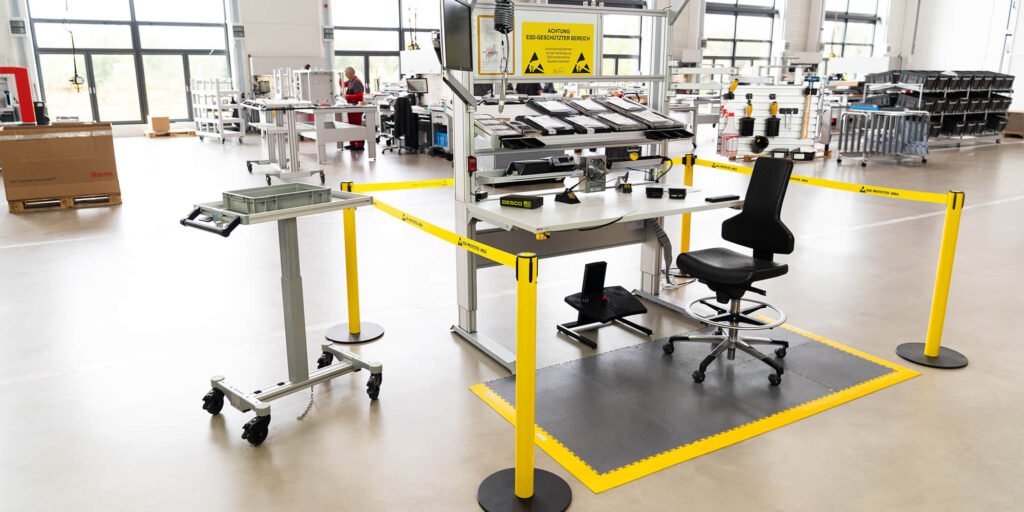
Electrostatic discharge control is one of the most important parts of electronics manufacturing, PCB assembly, semiconductor handling, and cleanroom work. Even a small static charge can damage sensitive components, reduce product reliability, or create hidden latent defects that fail later in the field.
When companies build an ESD control program, one common question comes up:
Firstly,let me know what is ESD?
Should you use grounding, ionization, or both?
This is where many people get confused. Grounding and ionizers are both used to reduce static electricity, but they do not do the same job. They solve different problems in an ESD protected area.
In simple terms, grounding controls static on conductive and dissipative objects by safely directing charge to ground, while ionizers neutralize static charges on insulators and isolated items that cannot be grounded directly.
That means the real question is not “ionizer vs grounding” as if only one can win. The real question is:
When is grounding enough, and when is an ionizer necessary?
This guide explains the difference clearly, so engineers, ESD coordinators, and buyers can choose the right method for their workplace.
What Is Grounding in ESD Protection?
Grounding is the process of connecting a conductive or static dissipative object to a known ground point so that static charges can flow away in a controlled way.
In an ESD protected area, grounding is used for:
The purpose of grounding is to keep people, tools, and surfaces at the same electrical potential. When everything is properly grounded, the risk of sudden electrostatic discharge is much lower.
For example, when an operator wears a grounded wrist strap, charges generated by body movement can be continuously drained away instead of building up and discharging into a sensitive device.
Grounding is one of the foundations of any ESD control program. Without it, static charges on conductors can accumulate quickly and create a high-risk environment.
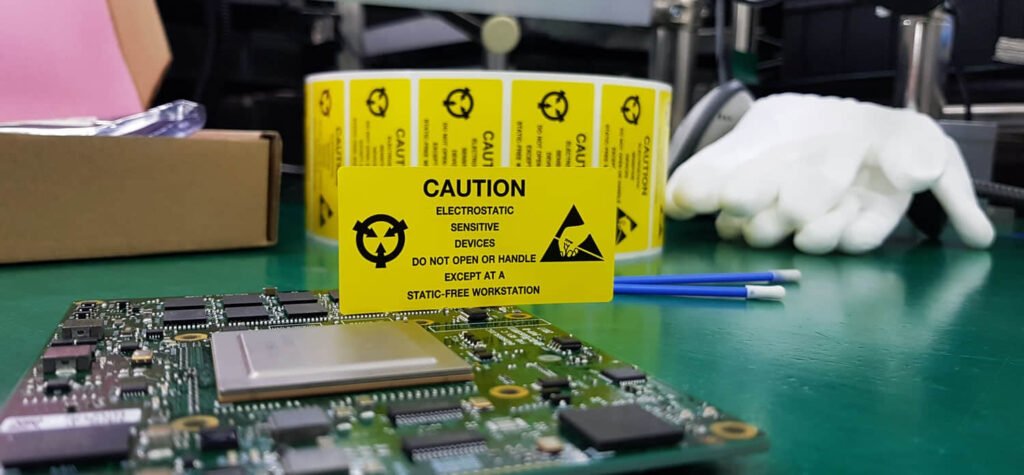
Related ESD Protection Products
Ionizer vs Grounding: Key Differences at a Glance
| Feature | Grounding | Ionizer |
|---|---|---|
| How it works | Removes charge through a path to ground | Neutralizes charge using positive and negative ions |
| Best for | Conductive and dissipative objects | Insulators and isolated materials |
| Controls static on plastics | No | Yes |
| Personnel protection | Yes | No |
| Used in basic EPA | Always required | Often required depending on materials |
| Replaces the other? | No | No |
Need Better Static Control for Sensitive Electronics?
If your ESD workstation includes plastic trays, packaging films, reels, or isolated components, grounding alone may not be enough. Explore professional ESD ionizers, grounding products, and complete workstation solutions for safer electronics manufacturing.
📞 Contact Us Today
For bulk orders, quotes, or product guidance, get in touch with our expert team:
Email: sales2@esdbest.com
Phone: +86 137 1427 2599
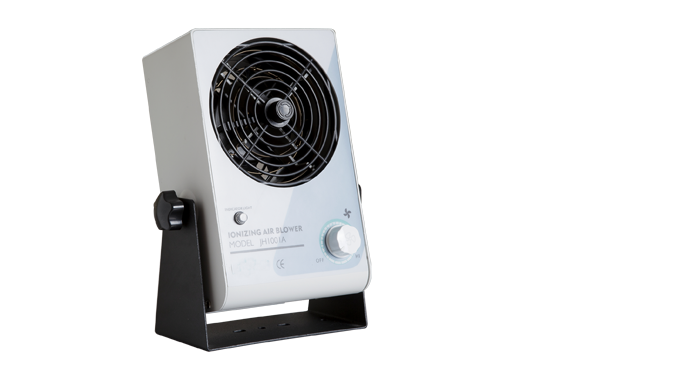
What Is an Ionizer?
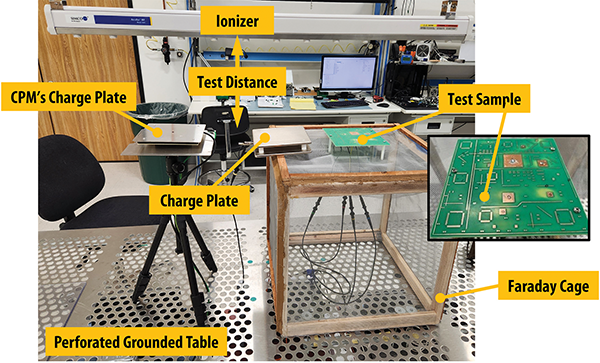
An ionizer is a device that produces balanced positive and negative ions into the air. These ions attach to charged surfaces and neutralize static electricity.
Ionizers are especially important when static exists on:
plastic trays
packaging materials
tape and films
PCB holders
component reels
painted or coated surfaces
isolated conductors
non-groundable objects
These items are often insulators or are not effectively connected to ground. Because they cannot release charge through grounding alone, the charge remains on the surface and may affect nearby sensitive electronics.
This is where ionization becomes essential.
Instead of sending charge to ground through a wire or grounded path, the ionizer neutralizes the charge in the air around the object. That makes ionizers the preferred solution for controlling static on materials that grounding cannot handle effectively.
Ionizer vs Grounding: The Core Difference
The easiest way to understand the difference is this:
Grounding removes charge through a path to earth. Ionization neutralizes charge in the air.
Grounding works best for conductive and dissipative materials that can be connected to ground.
Ionization works best for insulators, plastics, isolated items, and situations where direct grounding is impossible or ineffective.
So the comparison looks like this:
Grounding: best for people, mats, benches, carts, tools, and conductive items
Ionizer: best for plastics, packaging, non-conductive surfaces, isolated objects, and highly sensitive assembly zones
This difference is critical in modern electronics manufacturing because many production materials are not fully conductive. Even in a grounded EPA, insulators can still hold dangerous static charges.
That is why many facilities use both methods at the same time.
Why Grounding Alone Is Not Always Enough
Many companies assume that if operators wear wrist straps and benches are grounded, the ESD problem is solved. In reality, that is only part of the solution.
Grounding is extremely effective, but it has limits.
It does not work well on insulators because insulators do not allow charge to flow easily. A plastic container, tape roll, film bag, or ordinary packaging sheet can remain highly charged even inside a grounded workstation.
This creates several risks:
charged insulators can induce charges on nearby conductors
components can attract particles and contamination
discharge can occur when the field becomes strong enough
sensitive devices may suffer latent damage without obvious signs
In industries such as SMT, semiconductor packaging, optical electronics, and precision assembly, this is a serious issue.
If your process includes a lot of plastics, films, reels, trays, or isolated devices, grounding alone is usually not enough.
When You Need Grounding
Grounding should always be the first layer of ESD protection. It is essential when controlling static on:
Personnel
Operators generate static while walking, moving, or changing position. Wrist straps, heel grounders, and ESD footwear help keep body voltage under control.
Work surfaces
ESD table mats and grounded benches provide a safe working surface for sensitive parts.
Equipment
Metal tools, fixtures, carts, and machine parts should be properly grounded when they can contact ESD-sensitive devices.
Flooring systems
In larger EPAs, ESD floors combined with suitable footwear create a complete personnel grounding system.
If your EPA does not have reliable grounding, adding an ionizer alone will not solve the problem. Grounding remains the basic requirement.
Learn more:Wrist Strap vs Ionizer ⚡ Which One Do You Need?
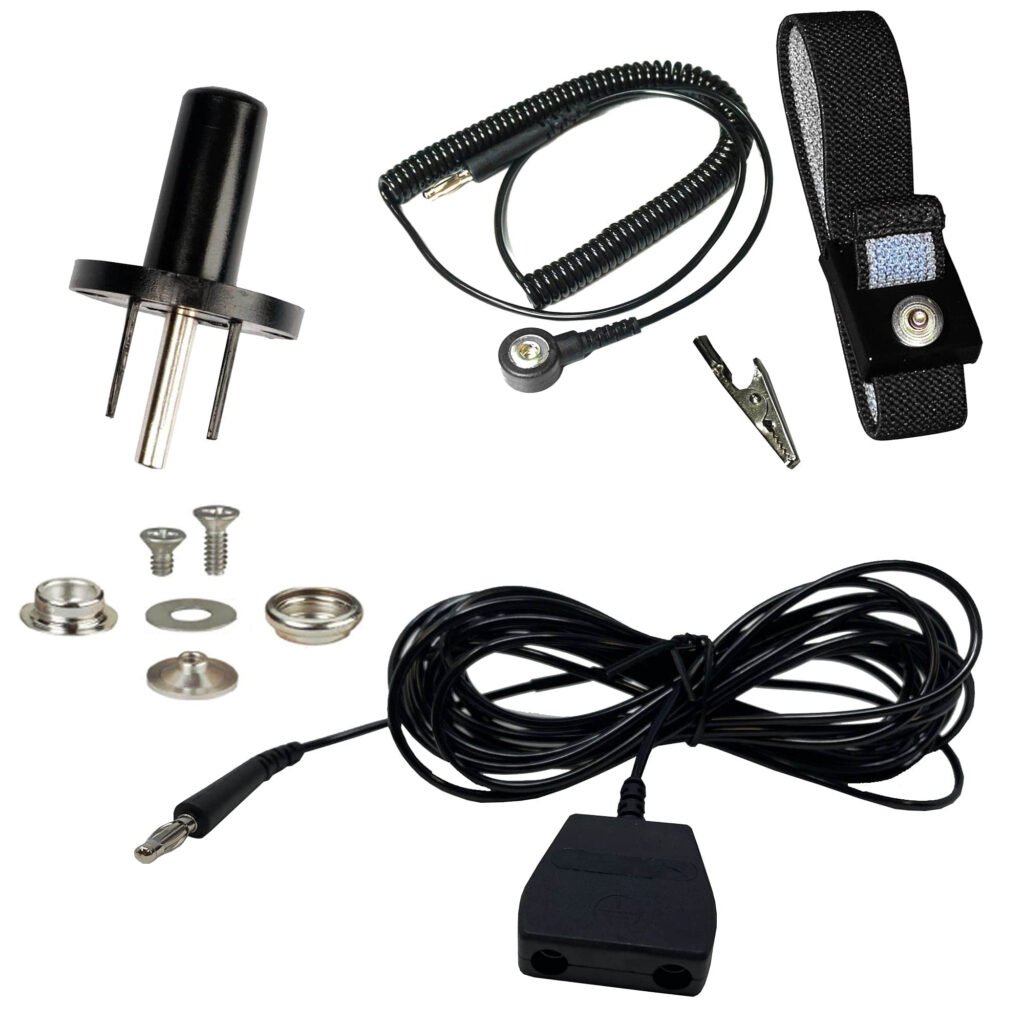
When You Need an Ionizer
Ionizers are necessary when the process includes materials or objects that cannot be controlled through grounding.
Typical situations include:
Plastic packaging and trays
Plastic is one of the biggest sources of static charge in electronics environments. Grounding will not neutralize static on ordinary plastic surfaces.
Automated assembly lines
Some moving parts, conveyor sections, or machine zones may include isolated materials that accumulate charge.
PCB handling
During board assembly or inspection, charged insulators near sensitive devices can create a dangerous field even if the operator is grounded.
Cleanrooms and high-reliability manufacturing
Semiconductor, medical electronics, aerospace, and high-spec production often require ionization to reduce both ESD risk and particle attraction.
Areas with many insulators
If your production process relies heavily on films, labels, tape, bags, foam, reels, or molded plastic parts, an ionizer is often required.
In short, ionizers are used when grounding cannot directly remove the charge.
Real-World ESD Scenarios: Ionizer vs Grounding
PCB Assembly Workstation
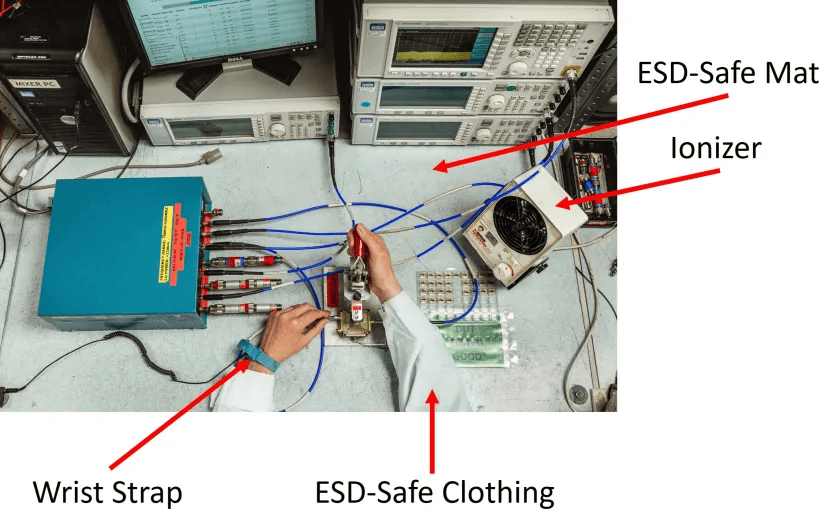
In a typical PCB assembly workstation, operators are grounded using wrist straps and work on grounded ESD mats. This setup controls static charge on personnel and conductive surfaces.
However, PCB assembly often involves:
plastic component trays
reels and carriers
protective films
packaging materials
These are insulators that cannot be effectively controlled by grounding.
Plastic Packaging and Handling Areas
In areas where products are packed or handled using plastic bags, foam, or film, static charge can easily build up on surfaces.
Grounding does not remove static from these materials.
Especially for:
ESD bags
bubble wrap
plastic trays
thermoformed packaging
Automated Production Lines
Modern electronics factories use automated systems with:
conveyor belts
robotic arms
isolated machine parts
Many of these components are not effectively grounded.
Cleanroom and Semiconductor Manufacturing
In cleanroom environments, static is not only a risk for ESD damage but also for:
particle attraction
contamination
yield loss
Even small charges on insulators can affect ultra-sensitive devices.
Low-Cost Assembly vs High-Sensitivity Electronics
Low-cost electronics → grounding may be enough
High-reliability / aerospace / semiconductor → ionization required
Ionizer vs Grounding in Electronics Manufacturing
In real electronics production, the choice is rarely one or the other.
A typical EPA may include:
grounded operators
grounded ESD benches
grounded mats
ESD flooring
grounded shelving or carts
overhead ionizers or benchtop ionizers
Why use both?
Because modern electronics assembly includes both conductive items and insulative materials.
For example, a grounded worker may handle a PCB on a grounded mat, but the board may still be near plastic component trays, film covers, labels, or packaging. Those items can carry static fields that grounding cannot eliminate.
An ionizer reduces the charge on those surrounding materials and helps keep the work zone safer.
This is especially important for highly sensitive devices with low ESD withstand voltage.
Can Ionizers Replace Grounding?
No. In most ESD control systems, ionizers should not replace grounding.
Ionizers are a supplement, not a substitute, for proper grounding.
Grounding provides continuous control of charge on people and conductive objects. Ionizers do not give the same level of direct electrical equalization.
If personnel, benches, carts, and work surfaces are not grounded, the EPA will remain incomplete and risky.
A better way to think about it is:
Grounding is the base system
Ionization is the additional control layer
Use ionizers to solve the static problems that grounding cannot solve.
Best Practice: Use Ionization and Grounding Together
The most effective ESD protection programs combine multiple control methods.
A strong EPA usually includes:
personnel grounding
grounded work surfaces
grounded flooring or footwear systems
ESD-safe packaging
controlled use of insulators
ionization where needed
regular testing and compliance checks
This layered approach is more reliable than depending on a single method.
If you only use grounding, insulators may still create dangerous static fields.
If you only use ionizers, people and conductive tools may still build up charge.
Using both creates a more complete and stable ESD control environment.
How to Choose the Right Solution for Your EPA
To decide whether you need grounding, ionization, or both, ask these questions:
What materials are used in the process?
If the area contains mostly conductive or dissipative materials, grounding may handle much of the risk. If many plastics and insulators are present, ionization becomes more important.
How sensitive are the components?
The more sensitive the device, the more important it is to control electric fields from nearby insulators.
Is the process manual or automated?
Automated and mixed-material assembly lines often benefit from ionizers because many moving or isolated parts cannot be grounded easily.
Is the area already properly grounded?
If grounding basics are missing, fix those first. Ionization should support a good EPA, not compensate for a broken one.
Are there static-related failures, contamination, or unexplained defects?
If yes, insulator charging may be part of the problem, and ionization may be necessary.
Final Verdict: Ionizer vs Grounding
So, which matters more: ionizer or grounding?
The honest answer is that they serve different purposes.
If you need to control static on people, benches, carts, tools, and conductive systems, grounding is essential.
If you need to control static on plastics, packaging, isolated objects, and insulators, ionizers are essential.
For most electronics manufacturing environments, grounding comes first, but ionization is often required to complete the system.
That is why the best answer is not “ionizer vs grounding” as a competition.
It is:
Use grounding as your foundation, and use ionizers where grounding cannot control the charge.
If you want to protect sensitive electronics properly, especially in modern production areas filled with plastics and mixed materials, the safest and most effective strategy is to use both.
Build a Complete ESD Protection System
The best ESD control programs combine proper grounding with effective ionization. At ESDBEST, we supply ESD ionizers, grounding accessories, mats, wrist straps, footwear, and workstation solutions for electronics manufacturing, PCB assembly, and cleanroom environments.
Build a Complete ESD Protection System
Grounding alone cannot control all static risks. Ionizers are essential for neutralizing charge on plastics and insulators. The best ESD protection systems combine grounding and ionization.
Shop ESD Ionizers Get ESD SolutionFAQ
1. What is the difference between an ionizer and grounding?
Grounding removes static charge through a conductive path to ground, while an ionizer neutralizes charge in the air using positive and negative ions. Grounding is best for conductive items, while ionizers are used for insulators and isolated objects.
2. Is grounding enough for ESD protection?
Not always. Grounding is essential for people, benches, mats, and conductive tools, but it cannot effectively remove static from many plastics and insulators. In those cases, ionization is often needed.
3. Can an ionizer replace a grounding system?
No. An ionizer should not replace grounding in most ESD control programs. It is typically used as an additional method to control static on materials that cannot be grounded directly.
4. When should I use an ionizer in electronics manufacturing?
You should use an ionizer when your process includes plastic trays, packaging films, component reels, isolated materials, or other insulators that may carry static charges near sensitive devices.
5. Why are insulators a problem in an ESD protected area?
Insulators can hold static charges for a long time because they do not conduct electricity well. These charges can create electric fields that damage or interfere with nearby ESD-sensitive components.
6. Which is better for PCB assembly: ionizer or grounding?
PCB assembly usually requires both. Grounding controls charge on operators, benches, and tools, while ionizers help neutralize static on nearby insulators and packaging materials.
7. Do all ESD workstations need an ionizer?
Not all, but many do. If the workstation includes insulators, highly sensitive components, or processes where grounding cannot control all static risks, an ionizer is strongly recommended.
8. What happens if I only use ionization without grounding?
You may still have unsafe charge buildup on people, conductive tools, and work surfaces. Ionization helps with insulators, but it does not replace a proper grounding system.
📞 Contact Us Today
For bulk orders, quotes, or product guidance, get in touch with our expert team:
Email: sales2@esdbest.com
Phone: +86 137 1427 2599