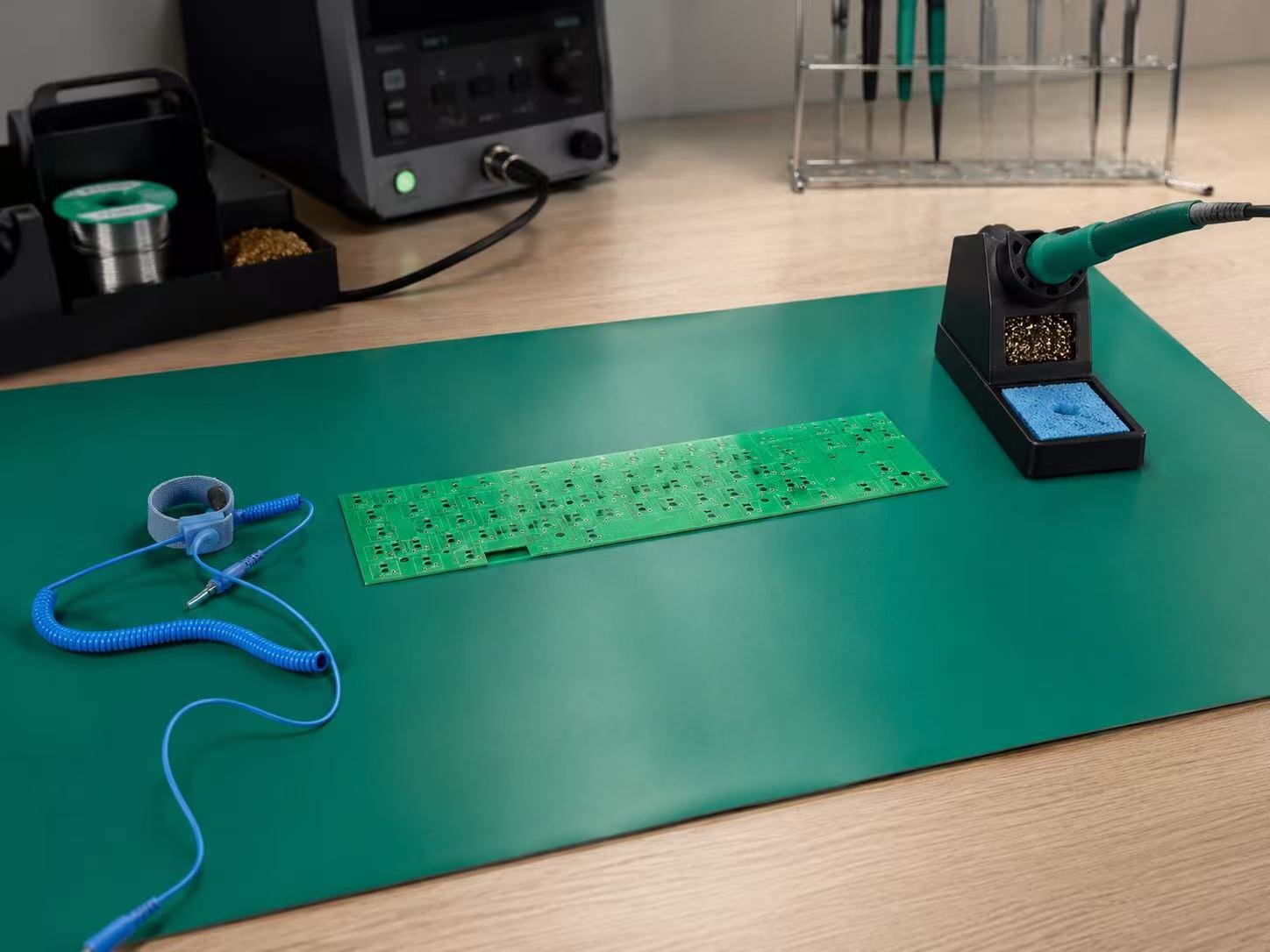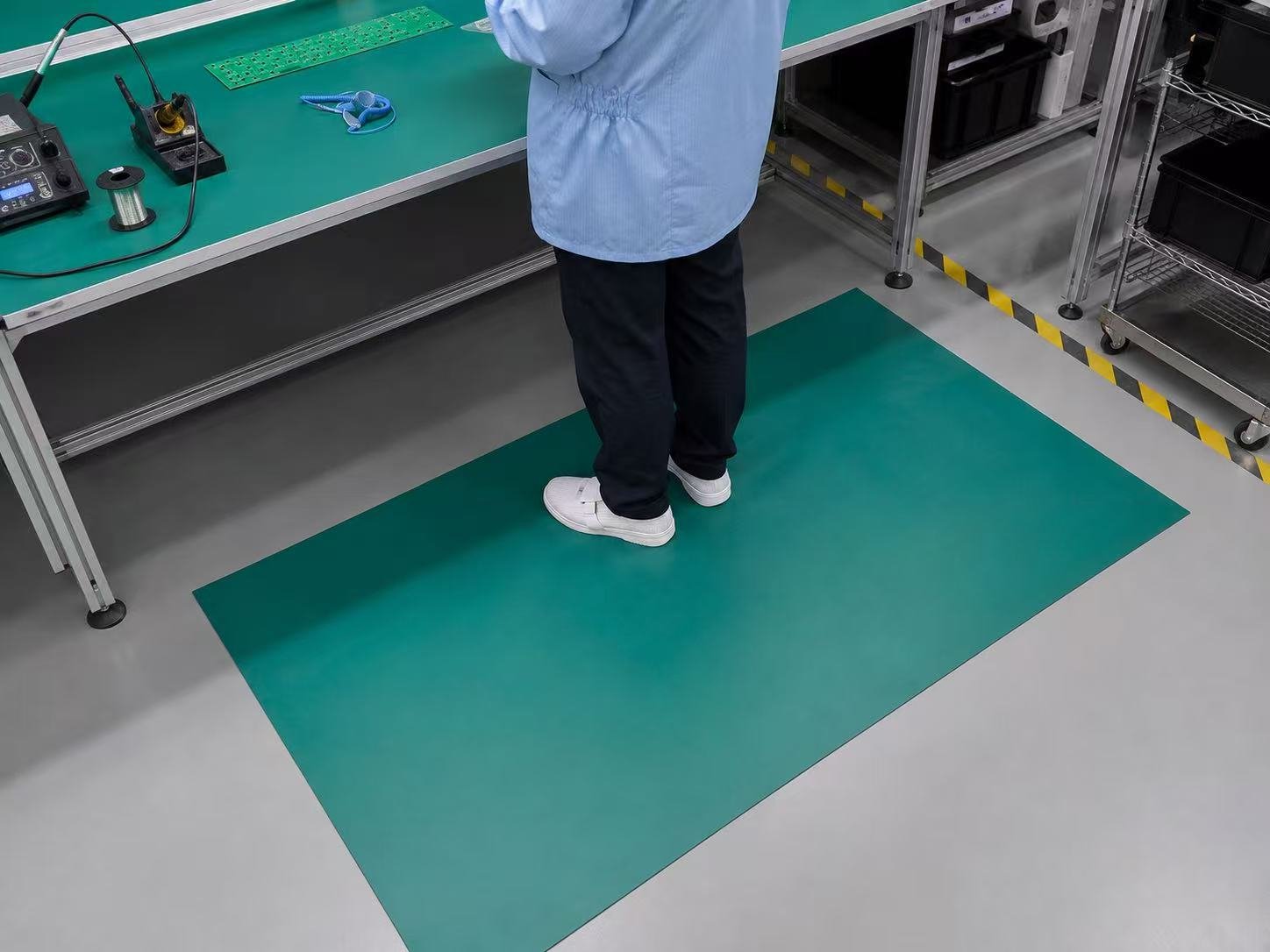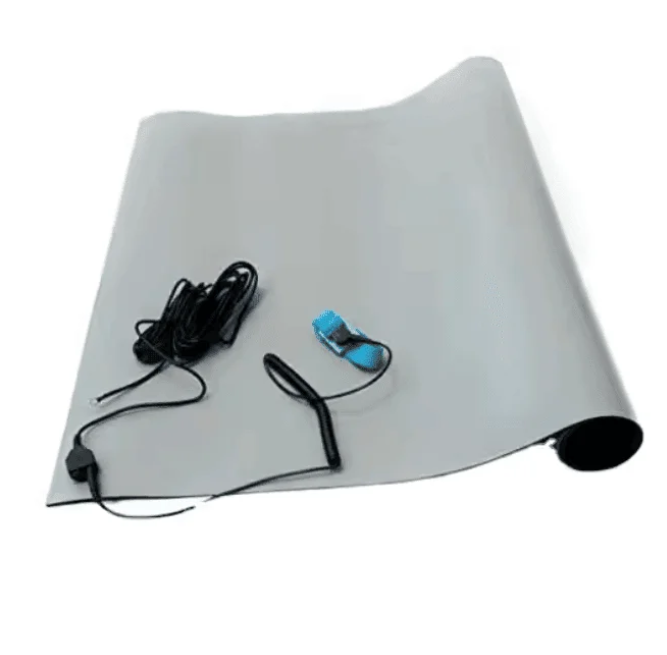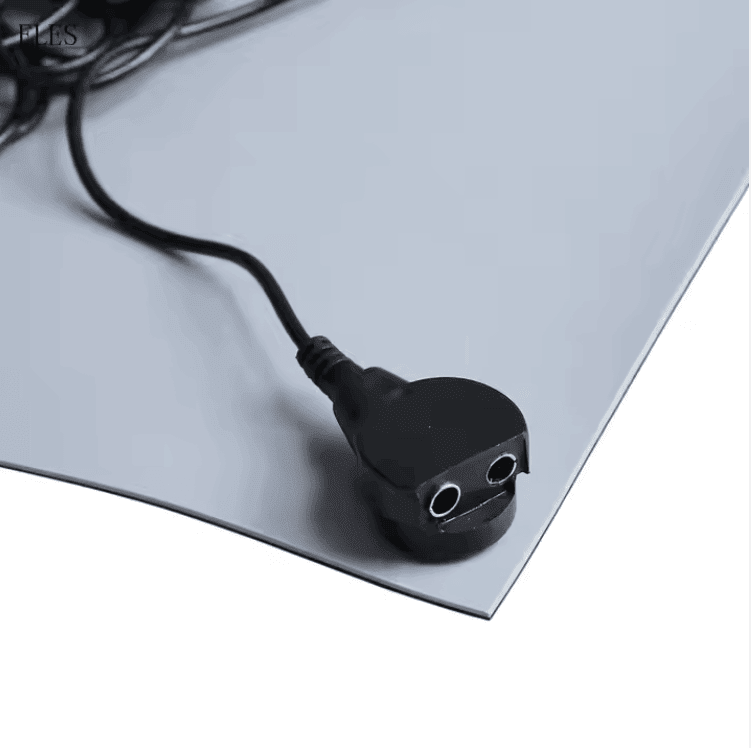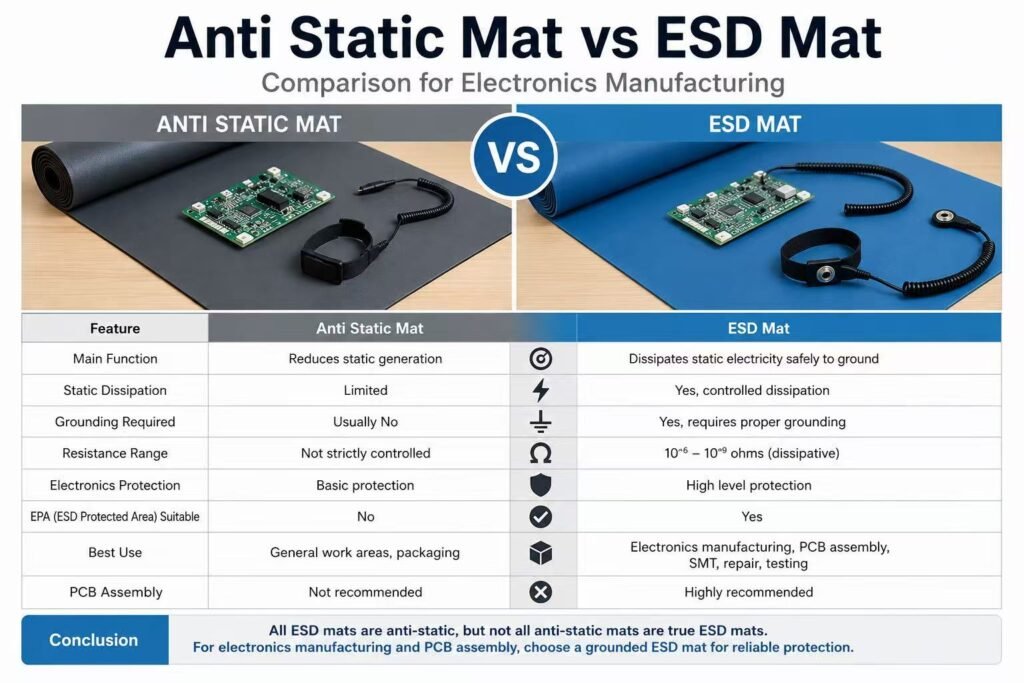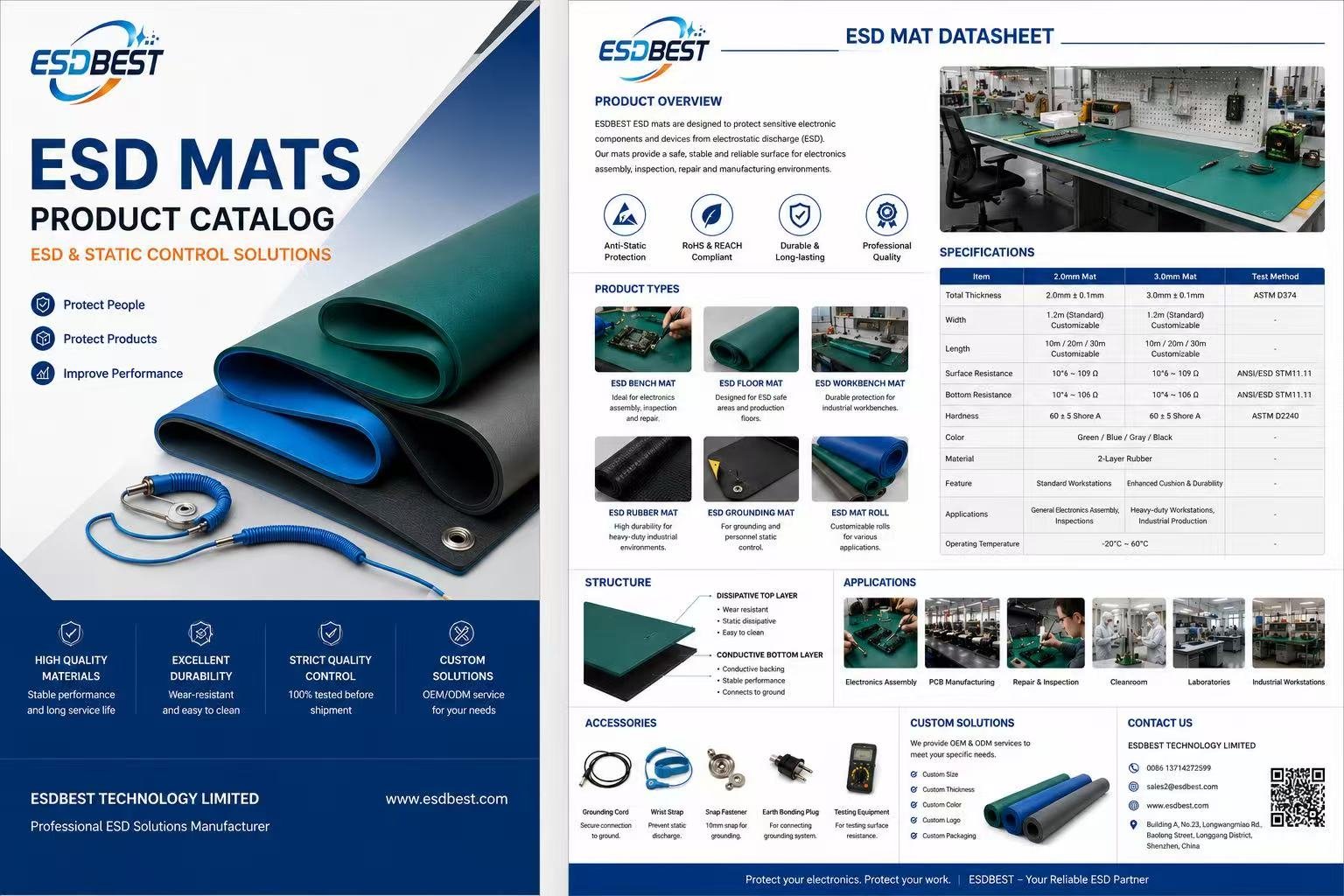
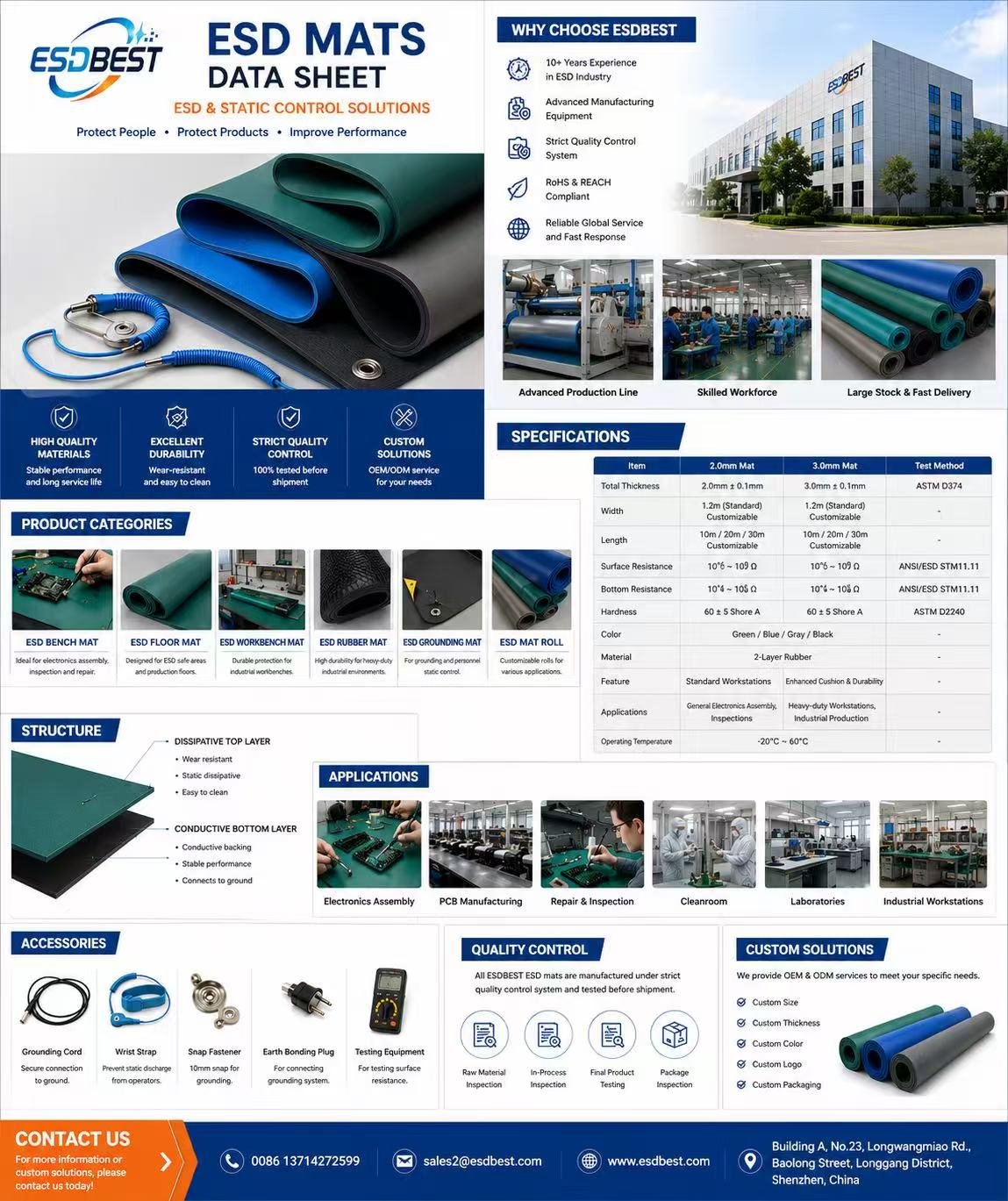
An mat esd —also called an antistatic ESD mat—is a specialized static control surface engineered to safely dissipate electrostatic charges. As a core product of HORBEST, our ESD mats are designed to protect sensitive electronic components from ESD damage by providing a controlled grounding path.
The
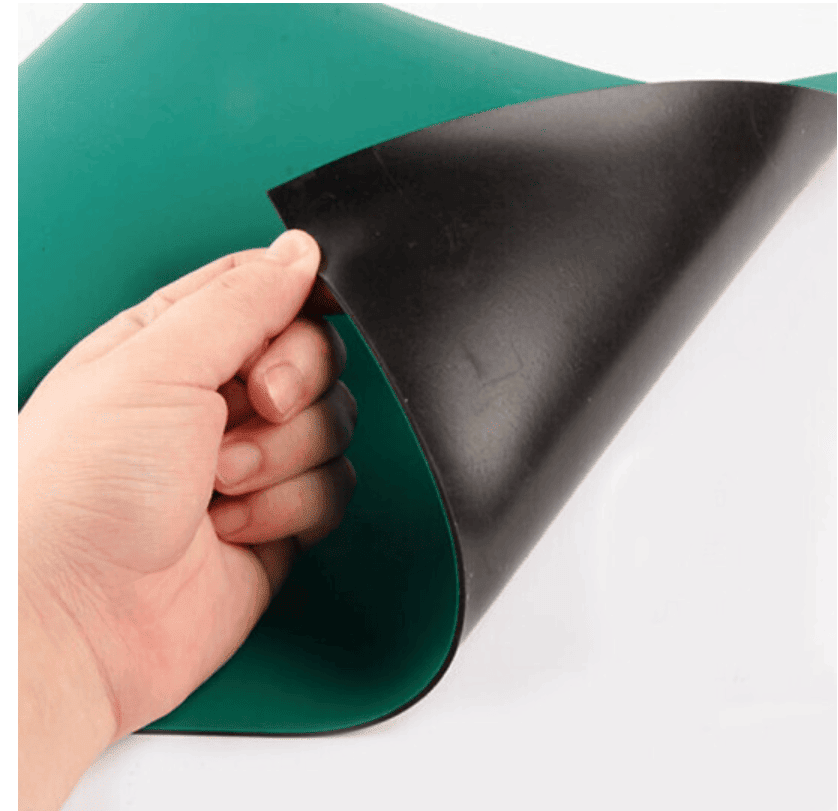
anti static mats for electronics has two layers: one layer is the black conductive layer, and the other layer is the static dissipative layer. This combination helps to gradually release static electricity, preventing its buildup and thereby better protecting electronic devices and components.
Widely used in ESD Protected Areas (EPAs) such as electronics assembly lines, repair workstations, laboratories, and cleanrooms, HORBEST ESD mats prevent accidental static discharge that can degrade or destroy precision devices like circuit boards, semiconductors, and microchips. Whether labeled as an antistatic ESD mat or simply an ESD mat, its core function remains consistent: creating a static-safe environment for critical operations.
An anti-static mat works by providing a surface that safely dissipates static electricity. It usually has a static dissipative top layer and a conductive bottom layer, which helps to gradually release any built-up static charge. Mat esd prevents electrostatic discharge that could damage sensitive electronic components.
HORBEST ESD mats operate on the principle of controlled static dissipation, not complete charge blocking—making them a reliable dissipative mat ESD solution. Here’s the breakdown:
- Static charges generated by tools, components, or human contact are drawn to the mat’s surface.
- The mat’s static-dissipative material (with a surface resistance of 10⁶–10¹¹Ω, compliant with ANSI/ESD S20.20) slows charge release, preventing sudden ESD.
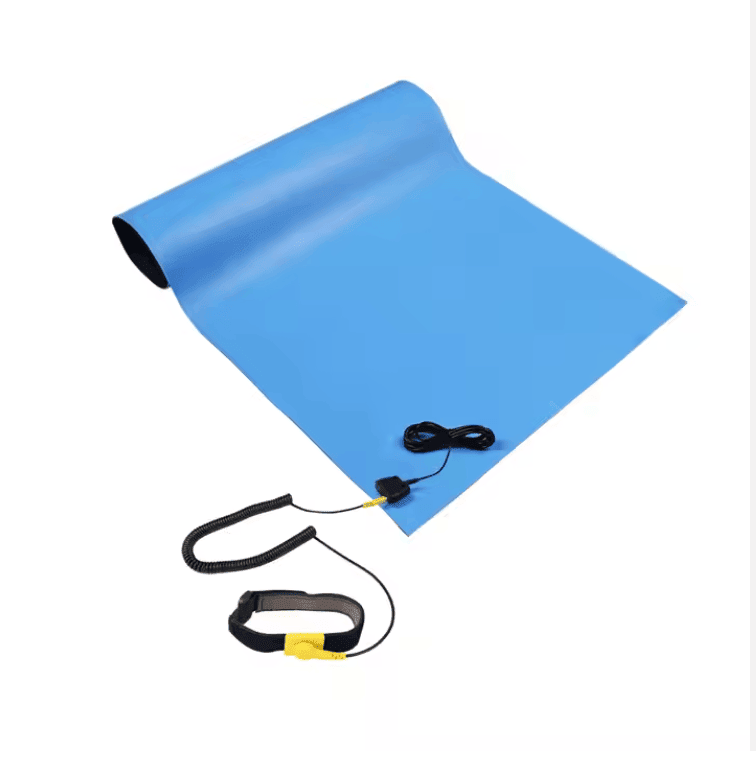
- When connected to earth ground as a grounding mat ESD, the mat channels static electricity away from sensitive equipment through a low-resistance path.
Proper grounding is non-negotiable: even HORBEST’s premium ESD mats require a valid ground connection to deliver optimal protection.
HORBEST offers a diverse range of ESD mats to suit every workstation need, with customizable sizes, thicknesses, and colors.
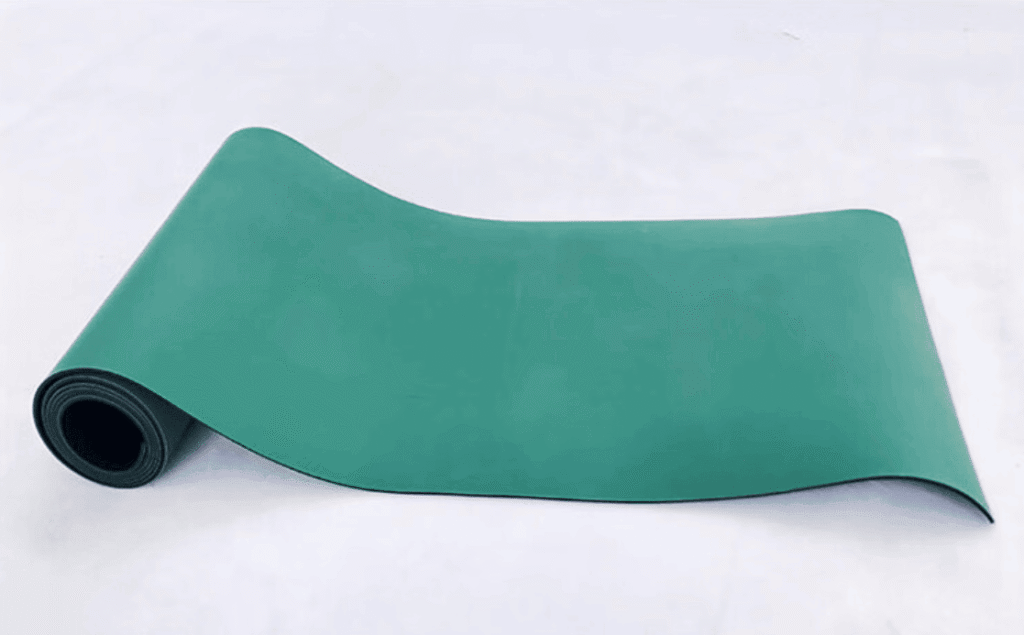
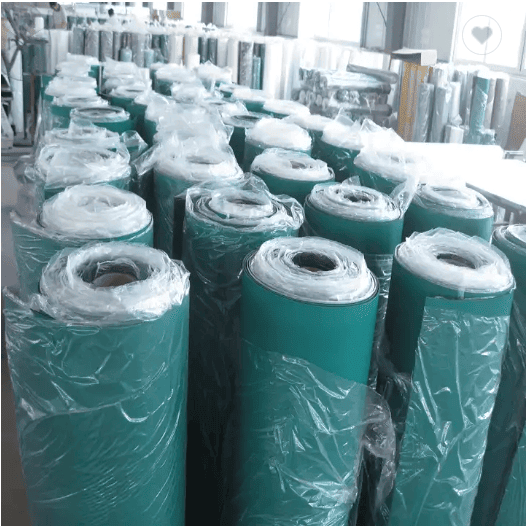
Our mat esd is the flagship material option, crafted from industrial-grade rubber that combines durability with superior static control. As a professional mat esd , it features a static-dissipative top layer and conductive bottom layer, ensuring consistent performance in high-use environments. When paired with HORBEST’s grounding accessories, it functions as a reliable grounding mat ESD to meet EPA requirements.
Key benefits of HORBEST’s rubber ESD mats:
- Waterproof, oil-resistant, and acid-resistant
- Scratch-proof surface withstands heavy industrial use
- Odorless and non-toxic, safe for long-term indoor use
A table mat ESD (or bench mat) is designed for desktop workstations, making it ideal for electronics assembly, testing, and repair. HORBEST’s ESD table mats are available in 2-layer structures:
- 2-layer table mat ESD: Balances static control, durability, and cost-effectiveness (colored top layer + black non-slip base).
All table mats can be customized to fit unique workstation sizes, with thickness options (2mm–5mm) to suit different operational needs.
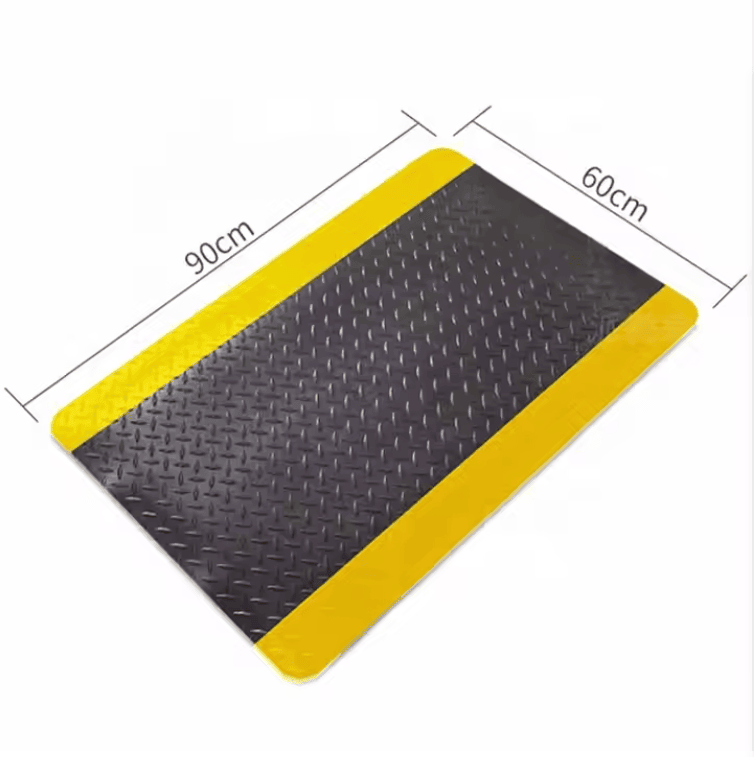
For floor applications and standing workstations, HORBEST offers floor mat ESD and anti fatigue mat ESD solutions.
: Features an anti-slip rubber base to prevent slips/falls in high-traffic areas, while maintaining static control—ideal for factory floors and mobile workstations.
: Combines static dissipation with a cushioned, rebound layer to reduce leg and back fatigue for operators standing for long hours. Perfect for production lines and assembly stations.
Both options are resistant to wear, chemicals, and heavy foot traffic, making them suitable for industrial environments.
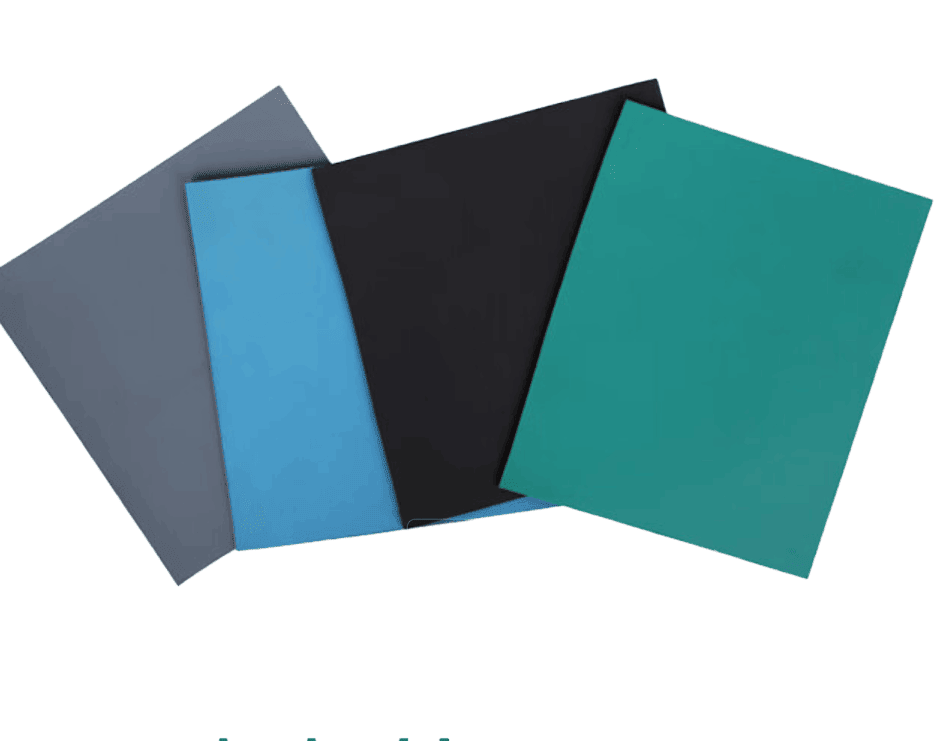
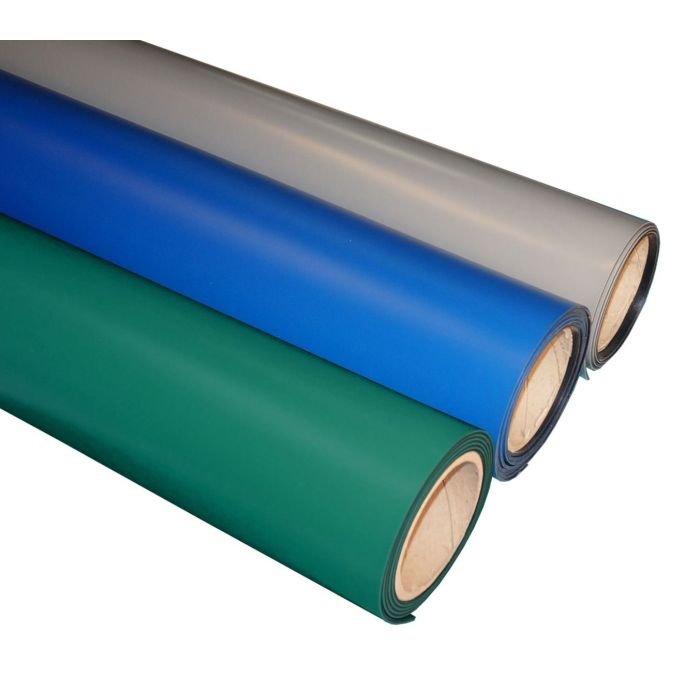
HORBEST ESD mats come in a range of standard colors to match your workspace aesthetic and safety protocols:
- Green mat ESD (popular for electronics manufacturing)
- Blue (neutral, widely compatible with most workspaces)
- Gray (low-glare, ideal for labs and cleanrooms)
- Black (durable, hides minor stains in high-use areas)
Custom color options are available for bulk orders—contact our team for details.
- Industrial-Grade Protection: Effectively shields electronic components from ESD damage, reducing defect rates.
- Material Versatility: Our rubber mat ESD and dissipative materials offer long-lasting performance in harsh environments.
- Application Flexibility: From table mat ESD for workbenches to anti fatigue mat ESD for floors—one brand covers all EPA needs.
- Customization: Available in custom sizes, thicknesses, colors, and logo printing.
- Compliance: Certified to ANSI/ESD S20.20 standards, ensuring regulatory compliance for EPAs.
- Easy Maintenance: Cleanable with ESD-safe cleaners—no harsh chemicals required to preserve performance.
- Not suitable for long-term exposure to temperatures above 300°C .
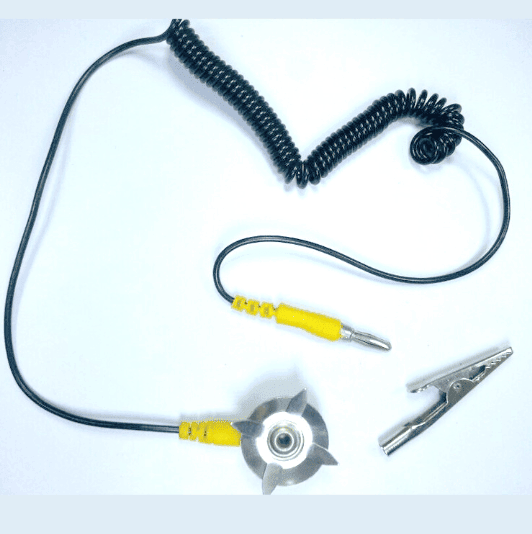
- Requires proper grounding (via HORBEST ESD grounding cords/snaps) to function as a valid grounding mat ESD.
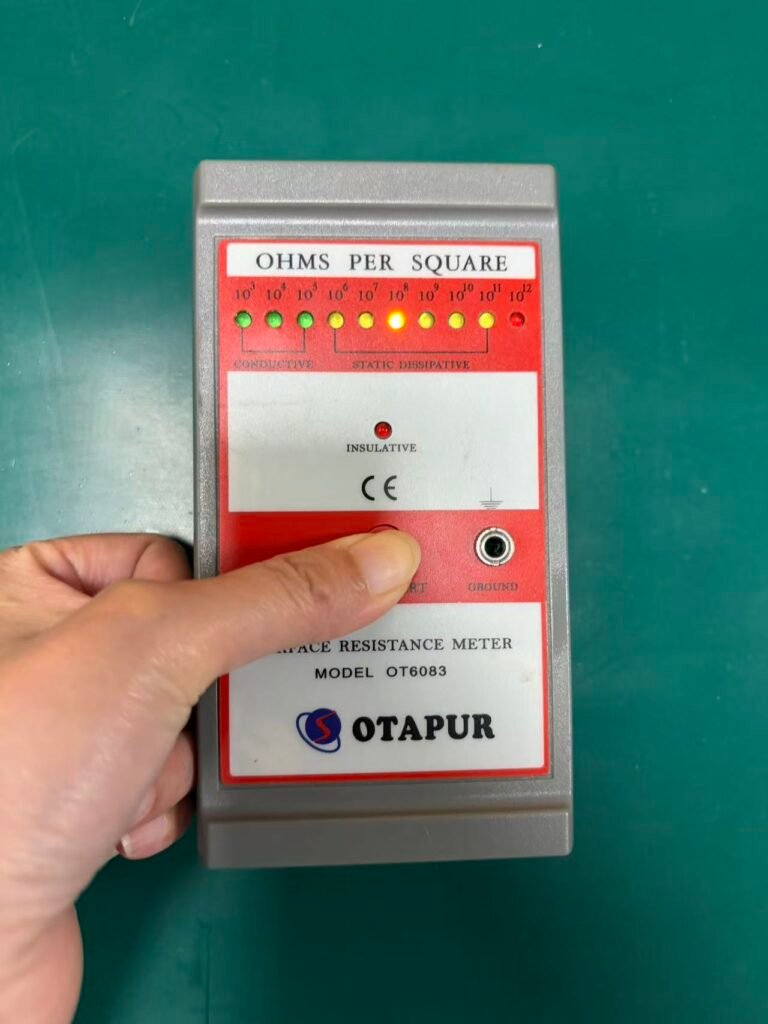
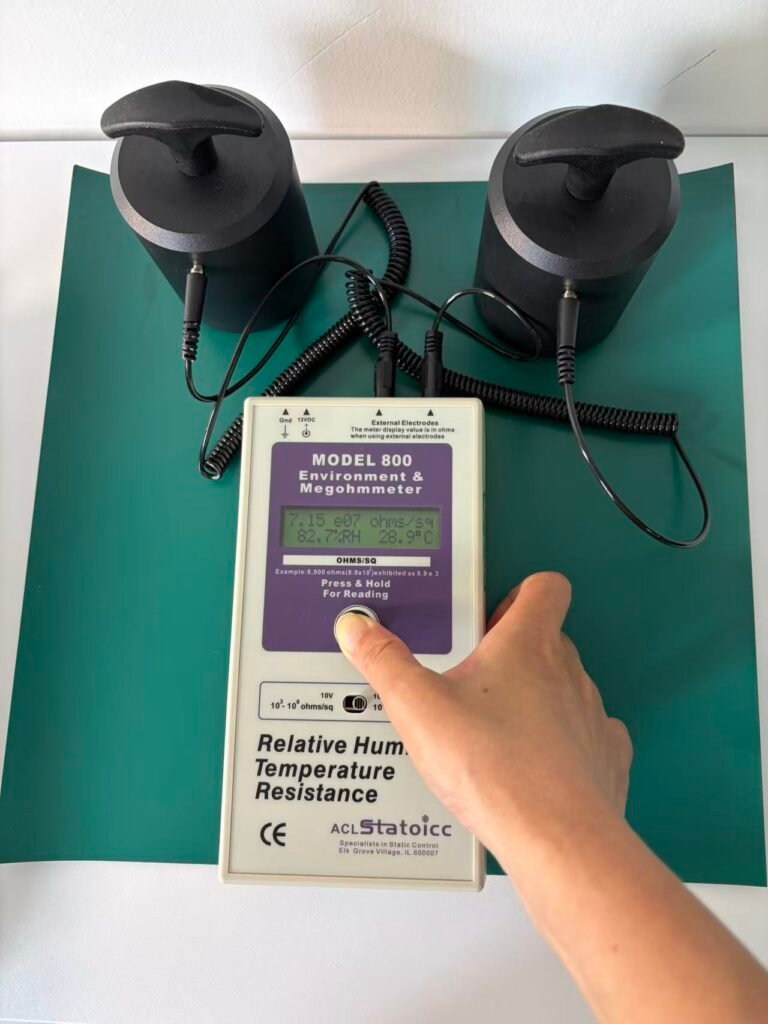
- Surface resistance should be tested periodically (recommended every 6–12 months) to maintain compliance.
Maintaining your ESD mat involves a few key steps.
First, regularly clean it with a mild, anti-static cleaner to remove dust and debris.
Second, check the grounding connection regularly to ensure it’s secure and functioning properly.
And finally, store it properly when not in use to prevent damage. If you keep up with these steps, your ESD mat will stay effective for a long time.
Follow these guidelines to maximize protection and safety:
- Ground Properly: Connect the mat’s grounding tab to a HORBEST ESD grounding cord, then to a verified earth ground (e.g., grounding plug, EPA grounding point). This ensures your mat functions as an effective grounding mat ESD.
- Prepare the Surface: Install on clean, flat, dry surfaces—remove dust, oil, or debris to avoid compromising contact (critical for table mat ESD and floor mat ESD performance).
- Match to Application: Use a table mat ESD for workbenches, a floor mat ESD for walkways, and an anti fatigue mat ESD for standing stations.
- Use Compatible Accessories: Pair with HORBEST ESD wrist straps, anti-static shoes, and grounding clamps for a complete static control system.
- Test Regularly: Verify surface resistance (using an ESD resistance tester) and grounding continuity every 6 months.
- Avoid Heat Sources: Keep mats away from heaters, soldering irons, or other high-temperature equipment.
- ❌ Skipping Grounding: Without a valid ground, your ESD mat cannot function as a grounding mat ESD—rendering it ineffective.
- ❌ Confusing Materials: Assuming all rubber mats are ESD-compliant—choose HORBEST’s specialized rubber mat ESD for certified protection.
- ❌ Misapplying Mats: Using a table mat ESD on floors (opt for a floor mat ESD or anti fatigue mat ESD instead) or vice versa.
- ❌ Ignoring Color/Thickness Needs: Select the right thickness (e.g., 3mm for workbenches, 5mm for floors) and color (e.g., green mat ESD for manufacturing) for your environment.
- ❌ Using Harsh Cleaners: Abrasive or chemical cleaners damage the mat’s dissipative layer—use only ESD-safe cleaning solutions.
A: No. A cutting mat ESD is designed primarily for protecting work surfaces during cutting, not for professional ESD control. It lacks the precise dissipative properties and grounding compatibility required for EPAs. For static-sensitive environments, HORBEST’s grounding mat ESD or dissipative mat ESD is recommended.
A: Sticky mats (often mislabeled as sticky mat ESD) are used for dust control at cleanroom entrances—they do not provide static dissipation. They cannot replace a HORBEST antistatic ESD mat or rubber mat ESD for workstation protection.
A: Yes. We offer custom sizes, thicknesses, colors (including green mat ESD, blue, gray, and black), and logo printing for bulk orders. Contact our team to discuss your specific needs.
A: Yes. Our rubber mat ESD and all ESD mat variants are waterproof, oil-resistant, and acid-resistant—easy to clean and maintain in industrial environments.
A: A dissipative mat ESD refers to the mat’s ability to slow static discharge, while a grounding mat ESD describes its function when connected to earth ground. All HORBEST ESD mats are both dissipative and grounding-compatible—they work together to ensure safe static control.
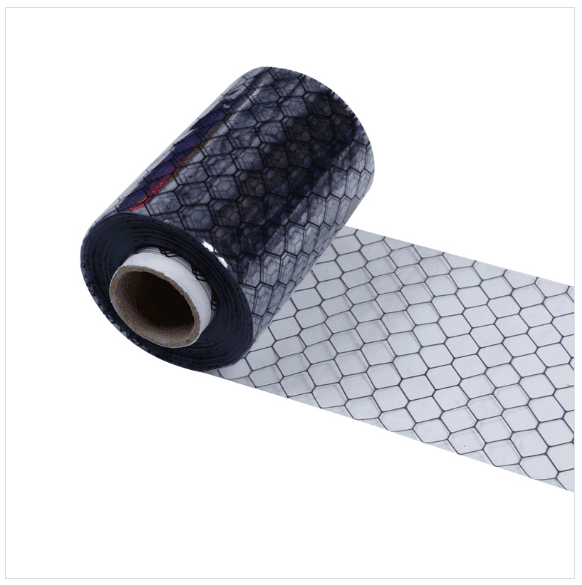
A esd mat grounding, the main material is PVC,also known as an ESD grounding mat, is designed to safely dissipate static electricity by connecting to a ground. It helps to prevent electrostatic discharge that could damage sensitive electronic components or cause harm. Typically, it’s used in workspaces where electrostatic discharge needs to be carefully controlled.
Selecting the right mat ESD depends on your application (table, floor, anti-fatigue), protection level, and workspace size. HORBEST’s range of ESD mats—including rubber mat ESD, dissipative mat ESD, grounding mat ESD, table mat ESD, and anti fatigue mat ESD—offers a one-stop solution for all static control needs.
With industrial-grade materials, ANSI/ESD S20.20 compliance, and customization options, HORBEST helps you build a safe, compliant EPA while enhancing operator comfort and product quality.
- How to Build an ESD Workstation with HORBEST Mats & Accessories
- ESD Grounding Systems: A Complete Guide for EPAs
- ESD Wrist Straps & Anti-Static Shoes: Complementary Tools for ESD Mats
👉 Looking for a reliable ESD mat manufacturer? Contact HORBEST to get:
- Custom size & thickness solutions (including table mat ESD, floor mat ESD, anti fatigue mat ESD)
- Complete testing documentation for compliance
- Factory-direct pricing and stable B2B supply support
- Expert advice on selecting the right mat (rubber mat ESD, dissipative mat ESD, etc.) for your environment
Fill out our quote request form or email our sales team to get started!
Contact Us Today
For bulk orders, quotes, or product guidance, get in touch with our expert team:
Email: sales2@esdbest.com
Phone: +86 137 1427 2599