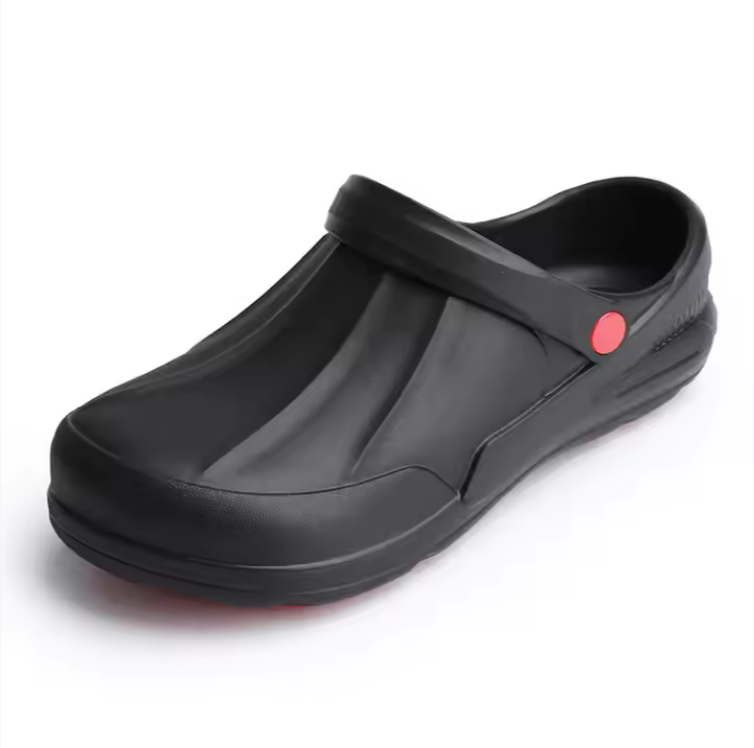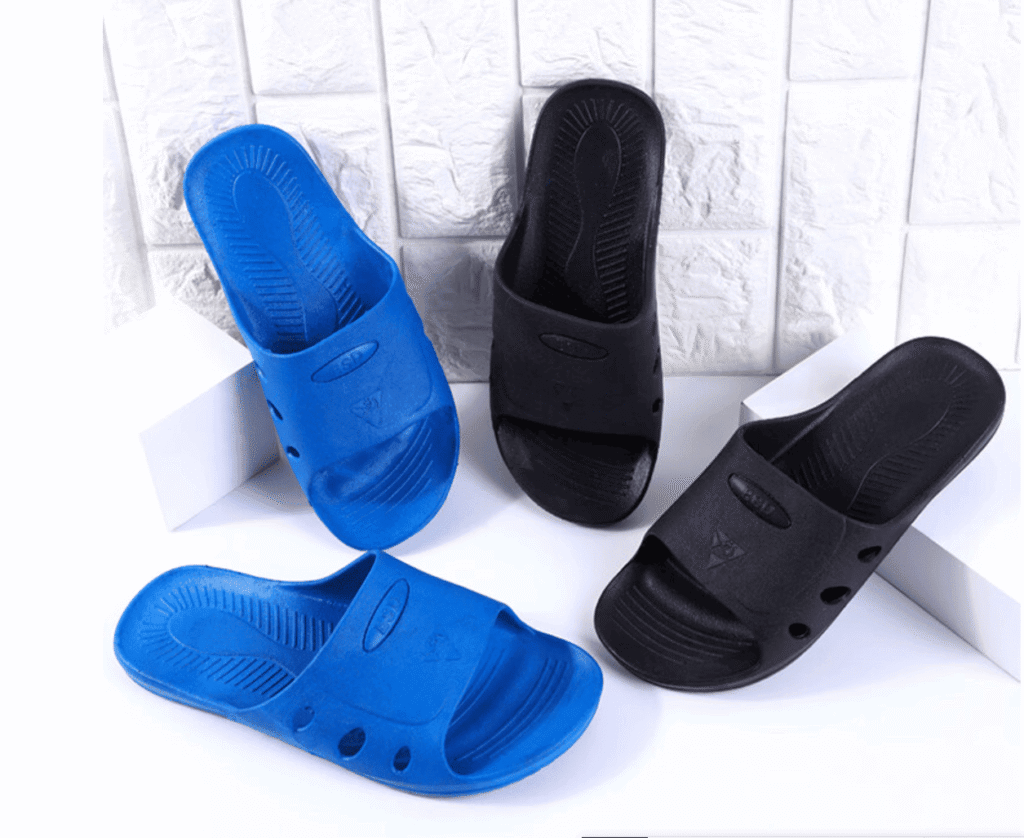
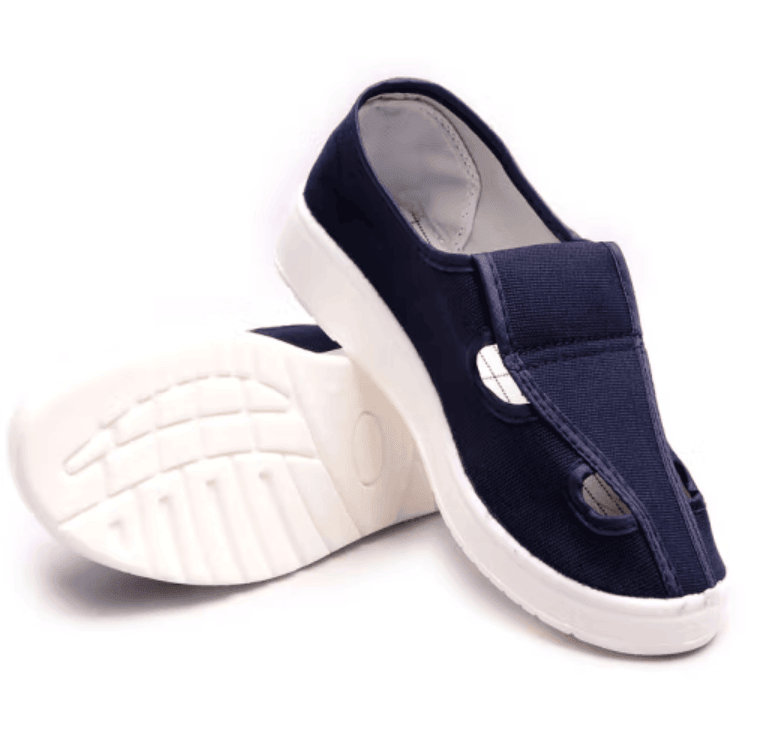
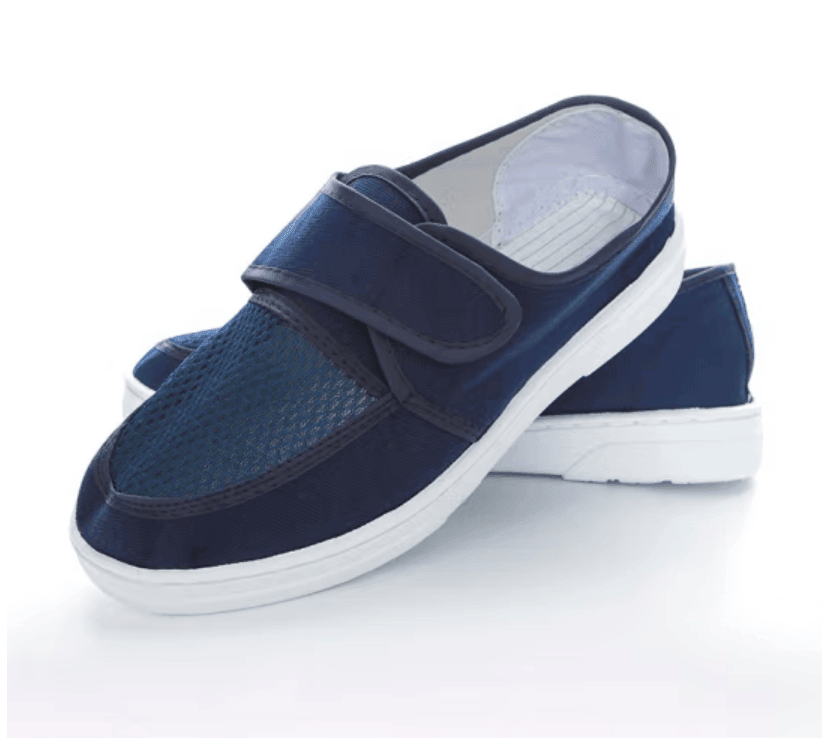
esd slipper black,cheap esd slipper black,cheap esd slipper blue,cheap price esd slipper black,cheap price esd slipper blue,china esd slipper
esd shoe,esd shoes for men,esd shoes for women,esd shoes for ladies,esd dress shoes
Clean Room, PU Sole, Esd, Anti-static, Mesh Shoes, Anti-static Labor Shoe
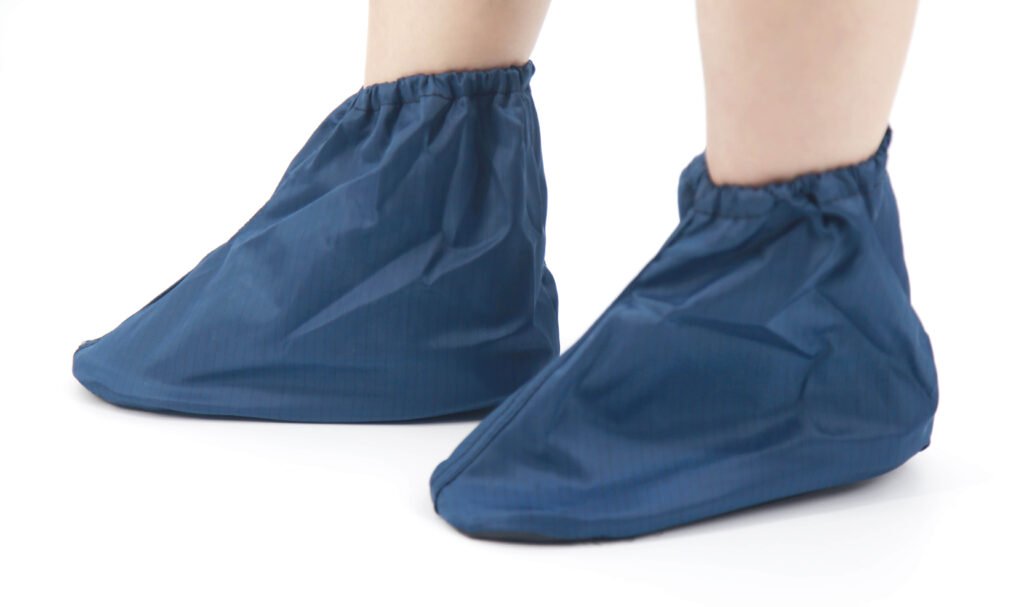
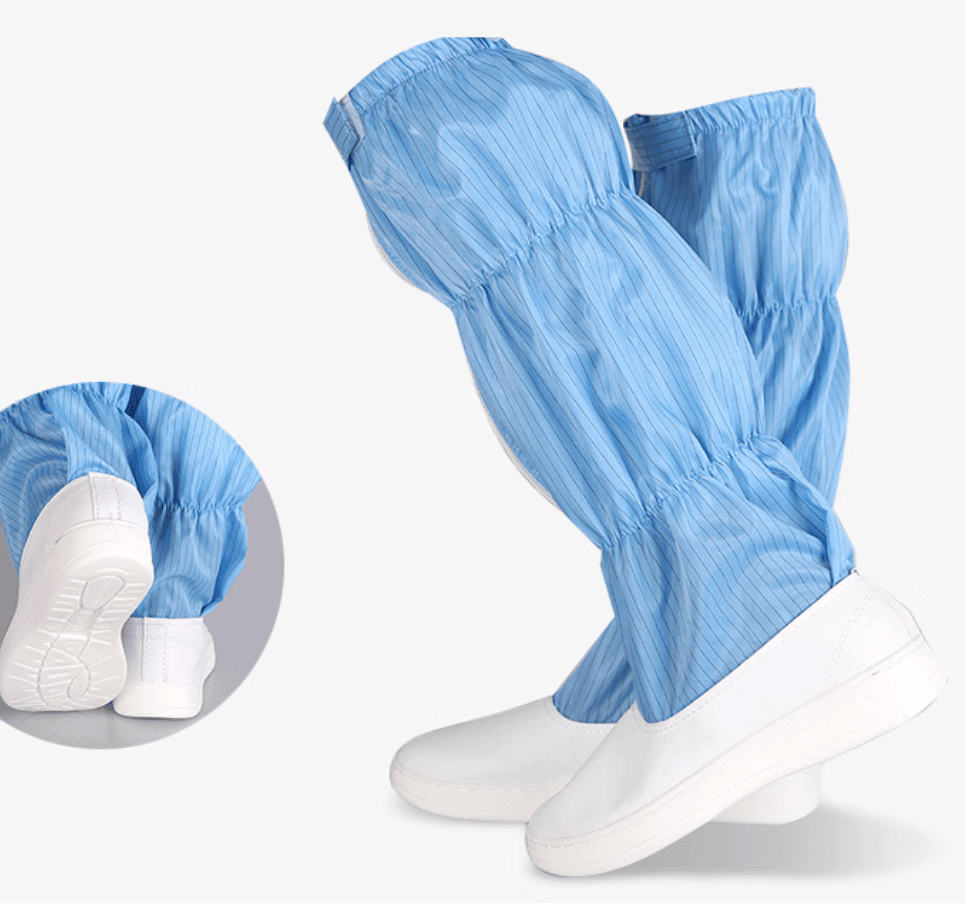
ESD Shoes Cover
ESD shoes are essential protective footwear designed to control electrostatic discharge in environments where static electricity can damage sensitive components, disrupt production, or create safety risks. In industries such as electronics manufacturing, semiconductor assembly, cleanrooms, laboratories, and industrial production, ESD shoes play a critical role in maintaining a safe and compliant workplace.
Unlike ordinary work shoes, ESD shoes are engineered to dissipate static electricity from the human body to the ground through a controlled resistance path. This prevents sudden electrostatic discharge that could harm electronic devices or compromise product quality. When used as part of a complete ESD control system—including ESD flooring and grounding solutions—ESD footwear helps ensure consistent and reliable static protection throughout daily operations.
Different workplaces require different types of ESD shoes. In industrial environments where mechanical hazards are present, ESD safety shoes provide both electrostatic control and essential foot protection. For heavy-duty applications, steel toe ESD shoes offer reinforced toe protection against impact and compression while maintaining effective static dissipation. In lighter-duty or comfort-focused environments, composite toe and non-safety ESD shoes deliver reliable ESD performance with reduced weight and improved mobility.
ESD shoes are also available in designs tailored to specific users and work settings. Options include ESD shoes for men and women, as well as ESD dress shoes suitable for offices, laboratories, and cleanroom environments where professional appearance matters. Each category is designed to meet defined resistance requirements in accordance with international ESD standards.
Choosing the right ESD shoes is not just about comfort or style—it is about compliance, safety, and long-term performance. Understanding how different ESD footwear types function and where they are best applied is the first step toward building an effective and standards-compliant ESD protection strategy.
ESD shoes are specialized footwear designed to control and safely dissipate static electricity generated by the human body. In environments where sensitive electronic components, precision instruments, or flammable materials are present, uncontrolled electrostatic discharge (ESD) can cause product damage, equipment failure, or safety risks.
Unlike ordinary work shoes, ESD shoes are engineered as part of a complete ESD control system. They help maintain a controlled electrical resistance between the wearer and the ground, ensuring static charges are released gradually rather than suddenly. This makes ESD shoes essential in industries such as electronics manufacturing, semiconductor production, cleanrooms, laboratories, and advanced industrial assembly.
⸻
ESD stands for Electrostatic Discharge, a phenomenon where static electricity flows suddenly between two objects with different electrical potentials. In the workplace, static electricity is commonly generated by human movement—such as walking, standing, or handling materials—especially in dry environments.
In footwear, ESD refers to the ability of shoes to control static electricity through defined electrical resistance. ESD shoes are constructed with conductive or dissipative materials in the sole and insole, allowing static charges from the body to flow safely to the ground when used on ESD-compatible flooring.
Most ESD shoes are designed to meet internationally recognized standards, including IEC 61340-5-1 and ANSI/ESD S20.20, which define acceptable resistance ranges and performance requirements for ESD-protective equipment. These standards ensure that ESD footwear provides consistent protection without creating electrical shock hazards for the wearer.
⸻
ESD shoes protect sensitive environments by creating a controlled discharge path between the human body and the ground. When a person walks or stands, static electricity naturally builds up. ESD shoes prevent sudden discharge by allowing this static charge to flow continuously and safely away.
The protection mechanism follows a simple but critical path:
Human body → ESD shoe → ESD flooring → Ground
Within this system, the shoe sole, insole, and internal conductive elements work together to regulate resistance. This controlled grounding process minimizes the risk of electrostatic damage to electronic components, reduces contamination risks in cleanrooms, and improves overall workplace safety.
Depending on application needs, ESD footwear may be used alongside other ESD solutions such as ESD safety shoes for industrial protection, ESD shoe insoles for enhanced comfort and conductivity, or heel grounder straps for additional grounding support. When combined correctly, these elements form a reliable, standards-compliant ESD protection system for demanding professional environments.
Static electricity is continuously generated by human movement, especially when walking or working on non-ESD-safe surfaces. ESD shoes work as part of a complete ESD control system.
Static electricity builds up on the human body
ESD shoes provide a conductive or dissipative path
Static charges flow through the shoe sole
Charges safely dissipate to an ESD floor or grounded surface
When used with ESD flooring or ESD floor mats, ESD shoes significantly reduce electrostatic risks in the workplace.
These terms are often confused. The differences are important:
| Type | Resistance Range | Purpose |
|---|---|---|
| Anti-Static Shoes | ≥10⁹ Ω | Reduce static buildup |
| ESD Shoes | 10⁶ – 10⁹ Ω | Controlled static dissipation |
| Conductive Shoes | ≤10⁵ Ω | Rapid grounding (special use) |
For most electronics manufacturing and industrial environments, ESD shoes are the recommended choice.
ESD shoes are available in different designs to meet specific workplace requirements, safety standards, and user needs. Understanding the main types of ESD footwear helps ensure proper protection, comfort, and compliance in controlled environments.
Each category below represents a specialized solution within a complete ESD control system.
⸻
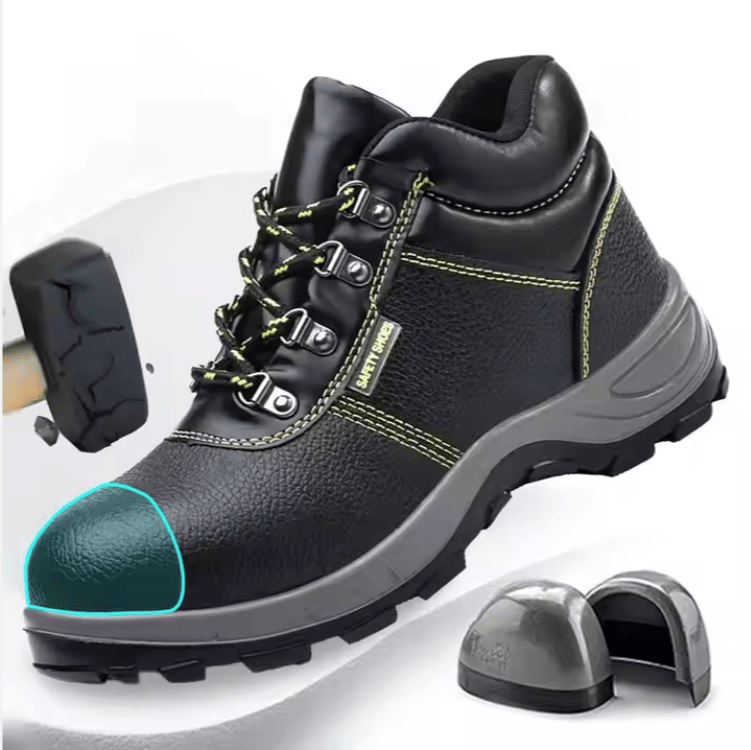
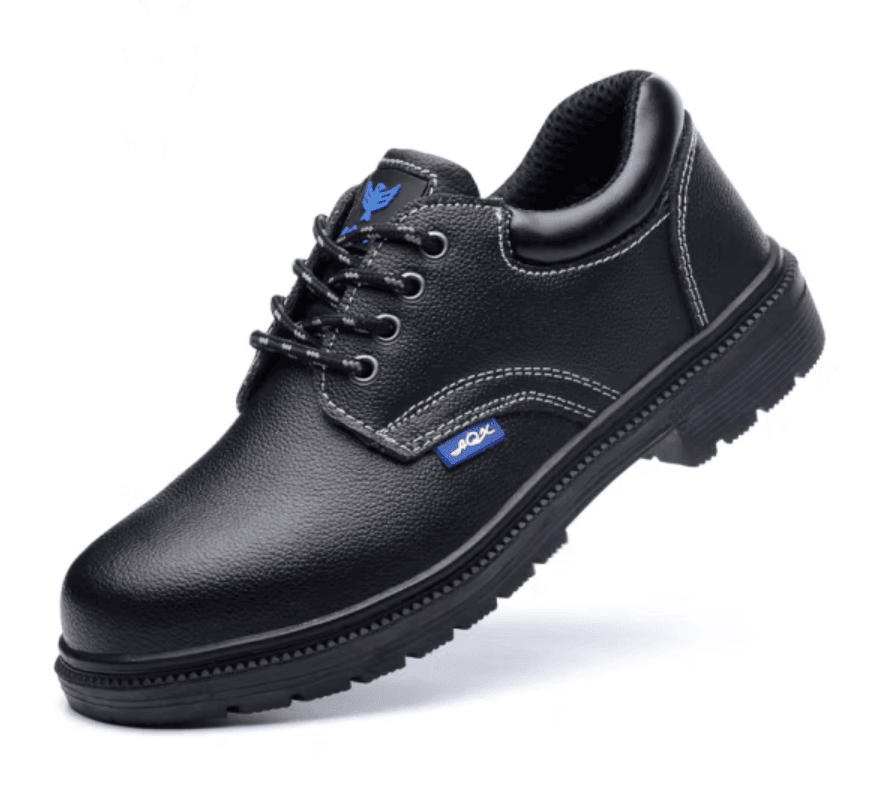
ESD safety shoes combine static control with enhanced foot protection for industrial environments. They are commonly used in electronics manufacturing, assembly lines, and production facilities where both electrostatic discharge control and workplace safety are required.
These shoes typically feature reinforced construction, slip-resistant outsoles, and compliance with ESD standards, making them suitable for long hours in demanding industrial settings.
⸻
Steel toe ESD shoes are designed for environments that require maximum toe protection against impact and compression hazards. In addition to dissipating static electricity, they provide robust protection for heavy manufacturing, automotive plants, and industrial logistics operations.
They are ideal for workplaces where strict safety regulations apply and mechanical risks are present alongside sensitive electronic equipment.
⸻
Composite toe ESD shoes offer a lightweight alternative to steel toe designs while maintaining effective static control. Made from non-metallic materials, they reduce overall shoe weight and eliminate metal-related concerns such as conductivity or metal detection interference.
These shoes are commonly selected for environments that prioritize comfort, mobility, and long-term wear without compromising ESD protection.
⸻
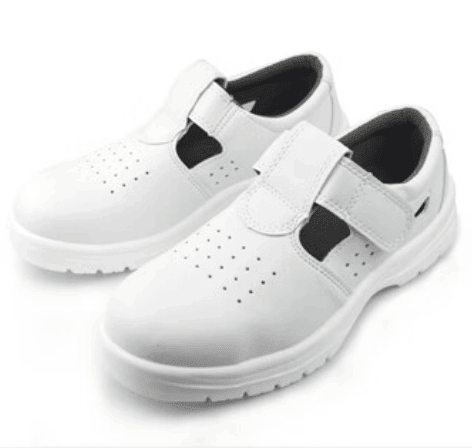
To better match fit, comfort, and usage scenarios, ESD shoes are also available in designs tailored for specific users and work environments. Options include ESD shoes for men, ESD shoes for women, and ESD dress shoes suitable for office, laboratory, or cleanroom settings. Choosing footwear designed for the correct user group and workplace improves both compliance and wearability.
Selecting the right ESD shoes is critical for maintaining effective electrostatic control while ensuring safety, comfort, and regulatory compliance. The following factors should be considered before making a decision.
⸻
Different industries impose different ESD and safety requirements. Electronics manufacturing, semiconductor production, cleanrooms, and laboratories typically require strict ESD control, while industrial and logistics environments may also demand additional mechanical protection.
Always confirm whether your workplace follows standards such as IEC 61340-5-1 or ANSI/ESD S20.20 and ensure the selected ESD shoes meet those requirements.
⸻
ESD shoes are commonly used in:
Electronics manufacturing plants
PCB and SMT assembly lines
Semiconductor fabrication facilities
Cleanrooms and laboratories
Warehouses and industrial work areas
ESD protected areas (EPA)
In these environments, ESD shoes are often mandatory as part of ESD compliance programs.
Professional ESD shoes are designed to meet international ESD standards, including:
IEC 61340
ANSI/ESD S20.20
Safety shoes may also comply with:
EN ISO 20345
Compliance ensures consistent performance and suitability for audited environments.
ESD shoes are often used together with other ESD products, such as:
ESD floor mats
ESD shoe insoles
ESD shoe straps
While shoe straps and insoles can provide temporary solutions, ESD shoes offer the most reliable and consistent static control for daily work.
ESD shoes are an essential part of effective electrostatic discharge control in electronics manufacturing and industrial environments. By providing controlled static dissipation, ESD shoes protect sensitive components, improve workplace safety, and help companies meet ESD compliance requirements.
Whether you need ESD work shoes, safety shoes, or professional ESD footwear for cleanrooms and laboratories, choosing the right ESD shoes ensures long-term reliability and protection.
For bulk orders, quotes, or product guidance, get in touch with our expert team:
Email: sales2@esdbest.com
Phone: +86 137 1427 2599
ESD shoes are essential anti-static footwear designed to control electrostatic discharge in electronics manufacturing, cleanrooms, laboratories, and industrial workplaces. By safely dissipating static electricity from the human body to the ground, ESD shoes help protect sensitive electronic components, equipment, and production environments from costly electrostatic damage.
In ESD-protected areas (EPAs), even a small static discharge can damage PCBs, semiconductors, or precision instruments. ESD shoes play a critical role in a complete ESD control system by forming a controlled grounding path between the wearer and the floor. When combined with conductive flooring and proper grounding practices, ESD shoes significantly reduce the risk of electrostatic discharge during daily operations.
Unlike ordinary footwear, ESD shoes are engineered with conductive or dissipative materials that meet international ESD standards such as IEC 61340-5-1 and ANSI/ESD S20.20. Typical ESD footwear resistance ranges from 1.0 × 10⁵ to 1.0 × 10⁹ ohms, ensuring static charges are released in a controlled and safe manner rather than through sudden discharge.
ESD shoes are widely used across industries including electronics assembly, semiconductor manufacturing, automotive production, cleanroom operations, and industrial maintenance. Depending on workplace requirements, ESD footwear can also integrate safety features such as steel toe protection, composite toe caps, ergonomic insoles, and professional dress designs suitable for office or cleanroom use.
This page serves as a complete guide to ESD shoes, helping you understand different types of ESD footwear, user-specific options, and grounding accessories. Whether you are selecting heavy-duty ESD safety shoes for industrial environments or lightweight ESD dress shoes for controlled workplaces, the sections below will help you choose the right anti-static footwear for your application.