Why Use an ESD Wrist Strap? Complete Guide
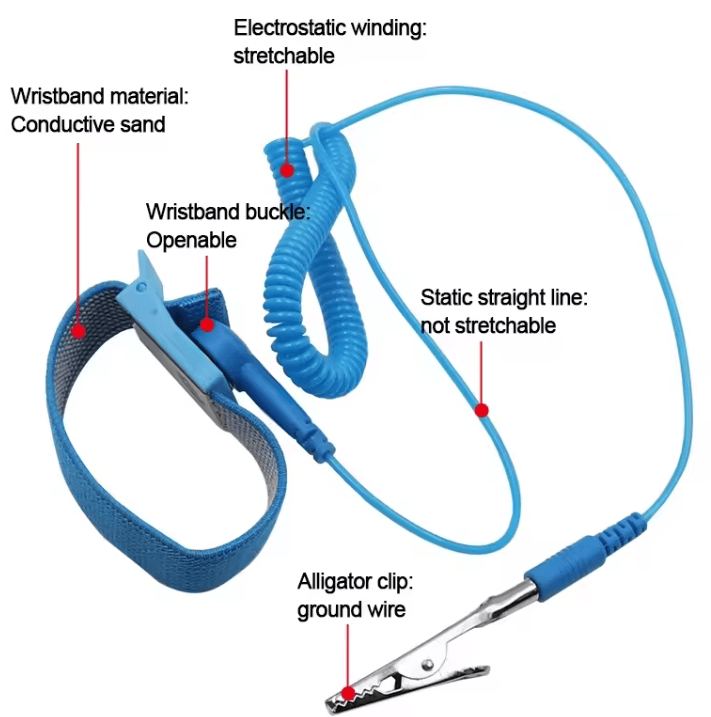
Do you really need an ESD wrist strap? You can’t feel static under 3000 volts.
But electronics can be damaged at just 100 volts.
Electrostatic discharge is one of the most common causes of hidden damage in electronics manufacturing. Even a small static charge from the human body can damage microchips, circuit boards, and sensitive components.
An ESD wrist strap provides a controlled grounding path that safely dissipates static electricity from the human body. It is one of the most widely used ESD protection tools in electronics assembly, semiconductor manufacturing, laboratories, and repair workstations.
In this complete guide, you will learn:
what an ESD anti static wrist strap is
how an ESD grounding wrist strap works
how to wear and test it properly
how to choose the right wrist strap for your workstation
This guide also explains important accessories such as ESD wrist strap testers, grounding cords, and compatible ESD mats and wrist strap systems.
What Is an ESD Wrist Strap?
A device that grounds your body and prevents static discharge.
An ESD wrist strap is a grounding device worn on the wrist that allows static electricity to safely discharge from the human body to ground.
It usually consists of three main parts:
a conductive wrist band
a grounding cord
a ground connection point
When properly connected, the wrist strap continuously drains static electricity from the operator. This prevents electrostatic discharge that could damage sensitive electronic components.
ESD wrist straps are widely used in:
electronics manufacturing
semiconductor production
PCB assembly
electronics repair
cleanroom environments
testing laboratories
Without proper grounding, a human body can accumulate thousands of volts of static electricity simply by walking, sitting, or handling plastic materials.
Even when a person cannot feel the shock, the voltage may still be high enough to destroy delicate microelectronics.
⚠️ Why You Need It
• Human body = biggest static source
• Invisible damage risk
• Essential for electronics work
🔬 How It Works
Body → Strap → Cord → Ground
👉 Controlled discharge via 1MΩ resistor
❌ Without vs With Wrist Strap
| Without | With |
|---|---|
| Static buildup | Safe grounding |
| Risk of damage | Protected |
| No control | Controlled discharge |
What Does an ESD Wrist Strap Do?
An ESD wrist strap prevents electrostatic discharge by grounding the human body. It allows static electricity to dissipate safely through a grounding cord connected to an ESD workstation or grounding system.
Why Static Electricity Is Dangerous in Electronics
Static electricity is often invisible and unpredictable. In electronics manufacturing environments, it can cause two types of damage.
Catastrophic Damage
This type of ESD damage immediately destroys the component. The device stops working instantly and the failure is usually obvious during testing.
Latent Damage
Latent damage is more dangerous. The component may appear to function normally but has already been weakened by static discharge. The product may fail weeks or months later during normal use.
Because of this risk, most electronics factories establish an ESD Protected Area (EPA) that includes grounding systems such as:
Among these tools, the ESD grounding wrist strap remains one of the most reliable personal grounding methods.
🧪 How to Test a Wrist Strap
• Use tester device • Check resistance • Ensure proper grounding
⚠️ Common Mistakes
• Not wearing tightly
• Not grounding properly
• Broken cord
How Does an ESD Wrist Strap Work?
An ESD anti static wrist strap works by creating a controlled path for static electricity to flow safely from the human body to ground.
Static Charge on the Human Body
Human bodies easily accumulate static electricity through everyday movement such as walking across a floor, sliding across a chair, or handling plastic packaging.
Under certain conditions, static charges can reach thousands of volts.
How Do You Test an ESD Wrist Strap?
To test an ESD wrist strap, connect the strap to an ESD wrist strap tester and press the tester plate. The device measures resistance in the grounding path and indicates whether the strap passes or fails.
Why Is a 1 Megohm Resistor Used in ESD Wrist Straps?
Most ESD wrist straps include a 1 megohm resistor to limit electrical current. This protects the operator while allowing static electricity to dissipate safely to ground.
Continuous Grounding Path
When an ESD wrist strap is worn correctly, the conductive band maintains contact with the skin. The grounding cord then connects the wrist strap to a grounded surface or grounding point.
This allows static electricity to dissipate continuously rather than suddenly discharging into sensitive electronics.
Why a 1 Megohm Resistor Is Used
Most wrist straps contain a 1 megohm resistor built into the cord or snap connector. This resistor is important because it limits electrical current and protects the operator while still allowing static electricity to dissipate safely.
Main Parts of an ESD Wrist Strap System
A complete ESD wrist strap system includes several components.
Wrist Band
The wrist band is worn directly on the skin. It may be made from metal expansion links, conductive fabric, or other materials.
Grounding Cord
The cord connects the wrist strap to the grounding point. Many cords are coiled to allow flexibility and movement.
Ground Connection
The cord connects to a grounding point, which may be an ESD mat, grounding jack, or common point ground system.
Resistor
Most cords include a built-in resistor that limits electrical current and ensures operator safety.
Types of ESD Wrist Straps
Different types of ESD wrist straps are available depending on the application.
Metal Expansion Wrist Straps
A black metal ESD wrist strap is commonly used in electronics assembly because it provides consistent conductivity and durability.
Fabric Adjustable Wrist Straps
Fabric wrist straps are lightweight and comfortable for long working hours.
Hypoallergenic ESD Wrist Straps
Some workers may require hypoallergenic ESD wrist straps that reduce skin irritation during extended use.
Disposable Wrist Straps
Disposable straps are sometimes used in temporary workstations or field service environments.
Single Wire vs Dual Wire Wrist Straps
Dual-wire wrist straps provide continuous monitoring and are often used in critical manufacturing environments.
How to Use an ESD Wrist Strap Correctly
Using an ESD wrist strap properly is essential for effective static protection.
Step 1
Place the wrist band directly on bare skin.
Step 2
Adjust the strap so it fits snugly but comfortably.
Step 3
Connect the grounding cord securely to the wrist strap.
Step 4
Attach the cord to a proper grounding point such as an ESD mat and wrist strap grounding system.
Step 5
Test the wrist strap before beginning work.
Following these steps helps ensure continuous grounding and reliable protection against electrostatic discharge.
Common Mistakes When Using Wrist Straps
Even high-quality ESD wrist straps may fail if used incorrectly.
Common mistakes include:
wearing the strap over clothing
poor skin contact
damaged cords
connecting to an improper ground point
skipping regular testing
These issues can prevent static electricity from dissipating correctly.
How to Test an ESD Wrist Strap
Testing is important to verify that the wrist strap system is working correctly.
Most workplaces use an ESD wrist strap tester or ESD wrist strap checker.
How a Wrist Strap Tester Works
The operator connects the wrist strap and presses the tester plate. The device checks the resistance of the grounding path.
If the resistance falls within the acceptable range, the tester indicates a pass.
Testing Frequency
Many electronics facilities require workers to test their wrist straps daily before starting work.
Wrist Strap Tester Calibration
Over time, ESD wrist strap tester calibration may be required to ensure accurate measurements. Proper calibration helps maintain compliance with ESD control programs.
How to Choose the Right ESD Wrist Strap
Selecting the right ESD wrist straps depends on several factors.
Work Environment
Electronics assembly environments often use durable wrist straps designed for daily use.
Comfort
Fabric wrist straps may be more comfortable for extended wear.
Skin Sensitivity
Workers with sensitive skin may prefer hypoallergenic ESD wrist straps.
Compatibility
Ensure the wrist strap works with your existing ESD mat and wrist strap grounding system.
Cord Type
Choose between coiled cords or straight cords depending on workstation setup.
ESD Wrist Strap vs Heel Grounder vs ESD Shoes
Different grounding devices serve different purposes.
| Device | Best Application | Mobility |
|---|---|---|
| Wrist Strap | Seated workstation | Low |
| Heel Grounder | Standing workstation | Medium |
| ESD Shoes | Factory floor | High |
Wrist straps remain the preferred solution for seated electronics assembly work.
Recommended Related Products
A complete ESD workstation may include several products.
ESD wrist straps
ESD wrist strap cords
ESD wrist strap tester devices
grounding cords
ESD table mats
These products work together to create an effective static control system.
FAQ
What is ESD ?
Electrostatic discharge (ESD) is the sudden flow of electricity between two objects with different electrical potentials. It usually occurs when static electricity built up on one surface is released to another object.
People Also Ask About ESD Wrist Straps
Do ESD wrist straps really work?
Yes. When properly worn and connected to a grounding point, an ESD wrist strap continuously dissipates static electricity from the human body. This prevents electrostatic discharge from damaging sensitive electronic components during assembly or repair.
What resistance should an ESD wrist strap have?
Most ESD wrist straps include a 1 megohm resistor in the grounding cord. This resistor protects the operator while allowing static electricity to dissipate safely.
Do I need an ESD wrist strap if I have an ESD mat?
An ESD mat and wrist strap grounding system often work together. The mat protects the work surface while the wrist strap grounds the operator. Using both provides better ESD protection in electronics workstations.
Can ESD wrist straps fail?
Yes. Wrist straps can fail due to damaged cords, poor skin contact, or improper grounding. This is why many workplaces require daily testing using an ESD wrist strap tester.
Are wireless ESD wrist straps reliable?
Wireless wrist straps are sometimes marketed as convenient alternatives. However, most ESD control programs recommend traditional grounded wrist straps because they provide continuous static dissipation.
Do ESD wrist straps really prevent static damage?
Yes. When properly worn and connected to ground, ESD wrist straps safely dissipate static electricity and help prevent electrostatic discharge damage to sensitive electronic components.
Can I wear an ESD wrist strap over clothing?
No. The wrist strap must contact bare skin to function correctly.
How tight should an ESD wrist strap be?
The strap should fit snugly enough to maintain continuous contact with the skin but remain comfortable during long work periods.
How often should wrist straps be tested?
Many workplaces require daily testing using an ESD wrist strap tester.
What resistance should an ESD wrist strap have?
Most wrist straps include a 1 megohm resistor to safely dissipate static electricity while protecting the user.
What is the difference between an ESD wrist strap tester and an ESD wrist strap checker?
Both devices verify the grounding path of the wrist strap. A tester may provide more detailed resistance measurement while a checker provides quick pass/fail results.
Can an ESD wrist strap be used without an ESD mat?
Yes, but the strap must still connect to a proper grounding point. Many systems combine ESD mat and wrist strap grounding for improved protection.
Need Reliable ESD Protection?
Explore professional ESD protection solutions including ESD wrist straps, ESD mats, ESD Gloves, grounding cords, and ionizing fans designed for electronics manufacturing environments.
Learn more: ESD wrist straps VS Ionizing fans
Shop ESD Products
Request Wholesale Quote
👉 See full ESD setup →
https://esdbest.com/how-to-build-esd-workstation/
📞 Contact Us Today
For bulk orders, quotes, or product guidance, get in touch with our expert team:
Email: sales2@esdbest.com
Phone: +86 137 1427 2599