How to Use and Dispose of Disposable Laboratory Gowns Properly
Introduction
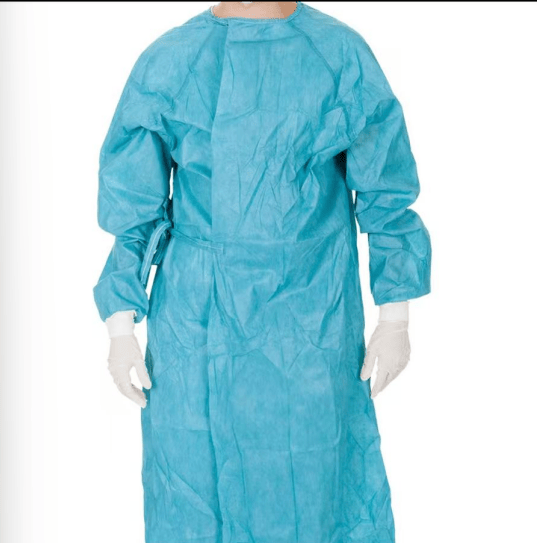
Proper use of disposable laboratory gowns is essential for effective protection.
Incorrect donning or disposal can compromise safety and increase contamination risk, even when high-quality gowns are used.
This guide explains correct gown usage, removal, and disposal procedures.
How to Put On Disposable Laboratory Gowns (Donning)
Step-by-Step Donning Procedure
1.Perform hand hygiene
2.Inspect the gown for damage
3.Insert arms fully into sleeves
4.Secure closures at neck and waist
5.Ensure full torso and arm coverage
Donning Best Practices
•Wear gowns before entering laboratory work areas
•Do not adjust gown during procedures
•Replace gown immediately if torn or contaminated
⸻
How to Remove Disposable Laboratory Gowns (Doffing)
Safe Doffing Steps
1.Untie or release closures carefully
2.Avoid touching the gown’s outer surface
3.Pull gown away from body, turning inside out
4.Dispose immediately in designated waste container
5.Perform hand hygiene
Improper removal is a major source of lab contamination, so slow, controlled movements are critical.
⸻
Proper Disposal of Disposable Laboratory Gowns
Disposable laboratory gowns must be discarded according to:
•Laboratory waste classification
•Local regulations
•Biosafety or chemical exposure protocols
Disposal Categories
•General waste (non-contaminated)
•Biohazard waste
•Chemical-contaminated waste
Never reuse disposable laboratory gowns.
⸻
Common Mistakes to Avoid
•Wearing gowns outside designated lab zones
•Reusing disposable gowns
•Improper removal technique
•Mixing contaminated gowns with general waste
⸻
When to Replace Disposable Laboratory Gowns
Replace immediately if:
•Torn or damaged
•Visibly contaminated
•After completing a task
•Leaving controlled lab areas
Learn more disposable vs reusable laboratory gowns
⸻
FAQ
Can disposable laboratory gowns be reused?
No. They are strictly single-use garments.
Are disposable lab gowns suitable for cleanrooms?
Yes, when low-lint or cleanroom-rated versions are selected.
Do disposable gowns replace other PPE?
No. They are part of a complete PPE system including gloves and eye protection.
⸻
📞 Contact Us Today
For bulk orders, quotes, or product guidance, get in touch with our expert team:
Email: sales2@esdbest.com
Phone: +86 137 1427 2599
Internal Links
•Main guide: Disposable Laboratory Gowns: Protection, Materials, and Buying Guide
•Comparison guide: Disposable vs Reusable Laboratory Gowns
{
"@context": "https://schema.org",
"@type": "FAQPage",
"mainEntity": [
{
"@type": "Question",
"name": "How do you properly wear a disposable laboratory gown?",
"acceptedAnswer": {
"@type": "Answer",
"text": "To properly wear a disposable laboratory gown, perform hand hygiene, inspect the gown for damage, insert arms into sleeves, secure closures at the neck and waist, and ensure full coverage of the torso and arms."
}
},
{
"@type": "Question",
"name": "How should disposable laboratory gowns be removed?",
"acceptedAnswer": {
"@type": "Answer",
"text": "Disposable laboratory gowns should be removed by carefully releasing closures, avoiding contact with the outer surface, turning the gown inside out, and disposing of it immediately in the appropriate waste container."
}
},
{
"@type": "Question",
"name": "Can disposable laboratory gowns be reused?",
"acceptedAnswer": {
"@type": "Answer",
"text": "No, disposable laboratory gowns are designed for single use only and should never be reused, as reuse increases the risk of contamination."
}
},
{
"@type": "Question",
"name": "How should disposable laboratory gowns be disposed of?",
"acceptedAnswer": {
"@type": "Answer",
"text": "Disposable laboratory gowns should be disposed of according to laboratory waste protocols, which may include general waste, biohazard waste, or chemical-contaminated waste depending on exposure."
}
},
{
"@type": "Question",
"name": "When should a disposable laboratory gown be replaced?",
"acceptedAnswer": {
"@type": "Answer",
"text": "A disposable laboratory gown should be replaced immediately if it becomes torn, visibly contaminated, after task completion, or when leaving controlled laboratory areas."
}
}
]
}