Disposable Laboratory Gowns: Protection, Materials, and Buying Guide
ntroduction
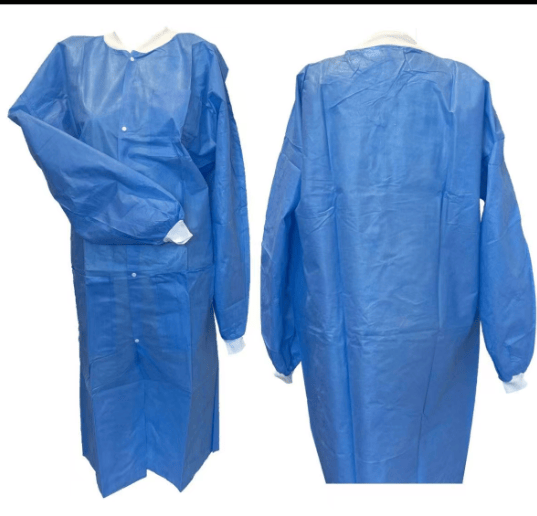
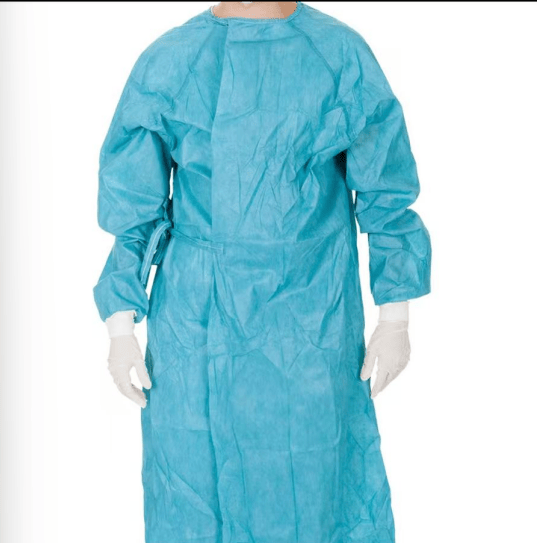
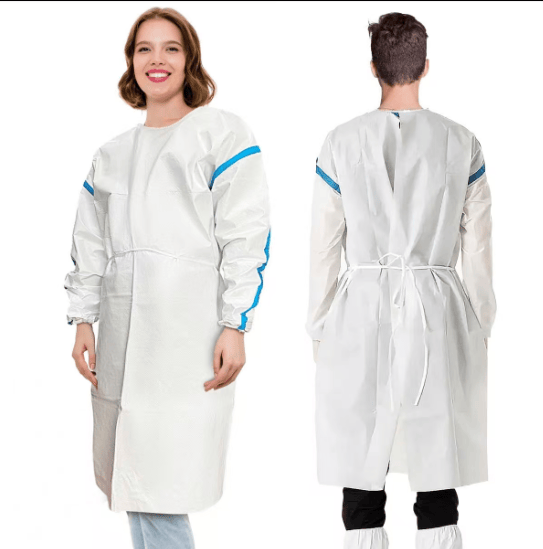
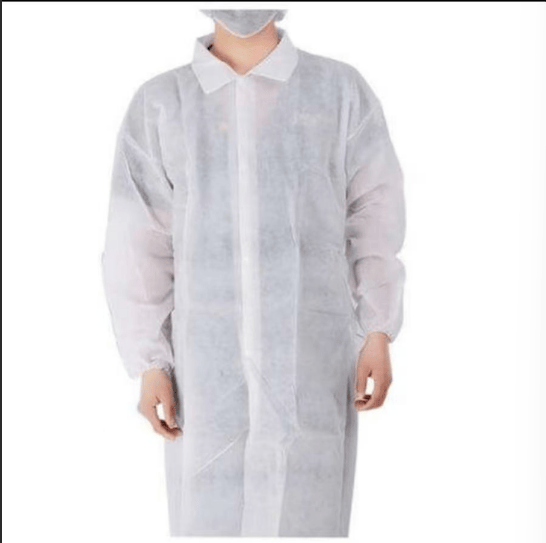
Disposable laboratory gowns are an essential part of personal protective equipment (PPE) in laboratories, cleanrooms, research facilities, and medical environments.
They provide reliable barrier protection against liquids, particulates, and contamination, while eliminating the risks associated with reusable garment laundering.
This guide explains what disposable laboratory gowns are, how they work, key materials, standards, and how to choose the right gown for your lab.
⸻
What Are Disposable Laboratory Gowns?
Disposable laboratory gowns are single-use protective garments designed to protect laboratory personnel from chemical splashes, biological agents, and cross-contamination.
Unlike reusable lab coats, disposable gowns are:
•Used once and discarded
•Designed to minimize contamination transfer
•Ideal for controlled and high-risk environments
⸻
Why Disposable Laboratory Gowns Are Used in Labs
Disposable laboratory gowns are widely adopted because they:
•Reduce cross-contamination risks
•Eliminate laundering and maintenance costs
•Provide consistent protection levels
•Improve hygiene compliance
•Support cleanroom and biosafety protocols
They are commonly used in:
•Research laboratories
•Pharmaceutical labs
•Biotechnology facilities
•Chemical testing labs
•Food and beverage laboratories
⸻
Common Materials Used in Disposable Laboratory Gowns
The performance of disposable laboratory gowns depends heavily on material choice.
Polypropylene (PP)
•Lightweight and breathable
•Cost-effective
•Suitable for low to moderate risk labs
SMS (Spunbond–Meltblown–Spunbond)
•Multi-layer construction
•Improved fluid resistance
•Balanced comfort and protection
Microporous Film
•High liquid and particle barrier
•Suitable for higher-risk laboratory tasks
•Less breathable but more protective
👉 Learn more in: Disposable Laboratory Gown Materials Comparison (supporting page)
⸻
Protection Levels & Standards
Disposable laboratory gowns may comply with:
•EN standards (EU laboratories)
•AAMI PB70 levels (medical & research environments)
•ISO cleanroom requirements
Always match the gown’s protection level to:
•Type of exposure
•Duration of use
•Lab risk classification
⸻
Key Features to Look For
When selecting disposable laboratory gowns, consider:
•Fluid resistance
•Breathability
•Sleeve length and cuff type
•Closure method (ties, snaps, hook & loop)
•Anti-static or low-lint properties
⸻
Disposable Laboratory Gowns vs Reusable Lab Coats
| Feature | Disposable Laboratory Gowns | Reusable Lab Coats |
|---|---|---|
| Hygiene | Excellent | Depends on laundering |
| Maintenance | None required | Regular washing required |
| Contamination Risk | Low | Higher |
| Cost Control | Predictable | Variable |
| Use Case | Controlled / high-risk environments | General laboratory use |
👉 Detailed comparison: Disposable vs Reusable Laboratory Gowns (supporting page)
⸻
How to Choose the Right Disposable Laboratory Gown
Choose based on:
1.Lab risk level
2.Type of contaminants
3.Required standards
4.Comfort vs protection balance
5.Disposal and compliance policies
⸻
Frequently Asked Questions (FAQ)
Are disposable laboratory gowns waterproof?
Some are fluid-resistant, while others offer full liquid barrier protection depending on material.
Can disposable laboratory gowns be reused?
No. They are designed for single use to prevent contamination.
Are disposable lab gowns suitable for cleanrooms?
Yes, when made from low-lint or cleanroom-rated materials.
Do disposable laboratory gowns provide chemical protection?
They offer splash protection but are not a replacement for chemical-resistant suits.
📞 Contact Us Today
For bulk orders, quotes, or product guidance, get in touch with our expert team:
Email: sales2@esdbest.com
Phone: +86 137 1427 2599
{
"@context": "https://schema.org",
"@type": "FAQPage",
"mainEntity": [
{
"@type": "Question",
"name": "What are disposable laboratory gowns?",
"acceptedAnswer": {
"@type": "Answer",
"text": "Disposable laboratory gowns are single-use protective garments designed to protect laboratory personnel from contamination, liquids, and particles while reducing the risk of cross-contamination."
}
},
{
"@type": "Question",
"name": "What are disposable laboratory gowns made of?",
"acceptedAnswer": {
"@type": "Answer",
"text": "Disposable laboratory gowns are commonly made from polypropylene (PP), SMS nonwoven fabric, or microporous materials, each offering different levels of breathability and barrier protection."
}
},
{
"@type": "Question",
"name": "Are disposable laboratory gowns better than reusable lab coats?",
"acceptedAnswer": {
"@type": "Answer",
"text": "Disposable laboratory gowns provide more consistent hygiene and lower cross-contamination risk in medium to high-risk environments, while reusable lab coats may be suitable for low-risk laboratories with proper laundering."
}
},
{
"@type": "Question",
"name": "When should disposable laboratory gowns be used?",
"acceptedAnswer": {
"@type": "Answer",
"text": "Disposable laboratory gowns should be used when contamination control is critical, such as in pharmaceutical labs, biotechnology facilities, chemical handling areas, and cleanroom-adjacent environments."
}
},
{
"@type": "Question",
"name": "Can disposable laboratory gowns be reused?",
"acceptedAnswer": {
"@type": "Answer",
"text": "No, disposable laboratory gowns are designed for single use only and should be discarded after each use to maintain laboratory safety and hygiene."
}
}
]
}