ESD Safety Shoes for Electronics & Industrial Work | Complete Guide
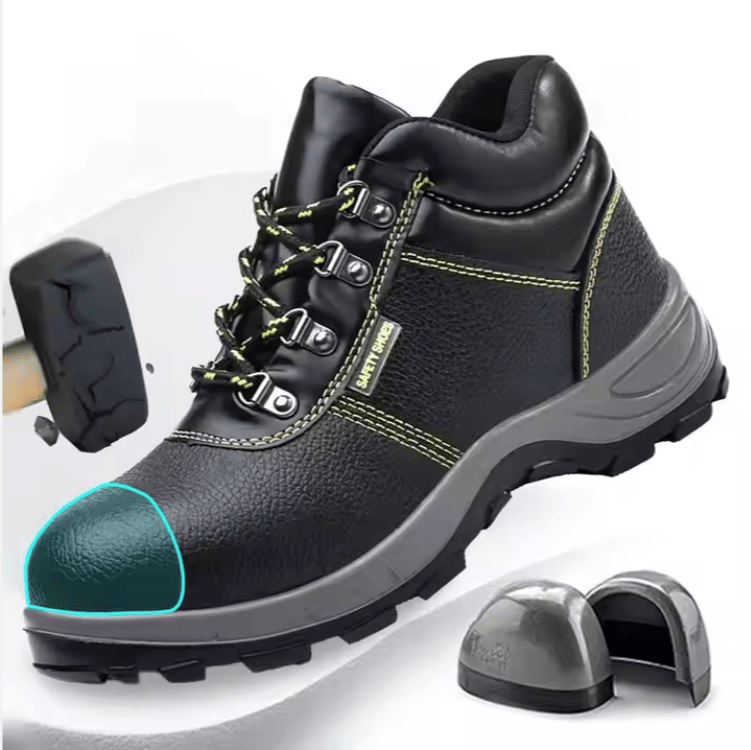
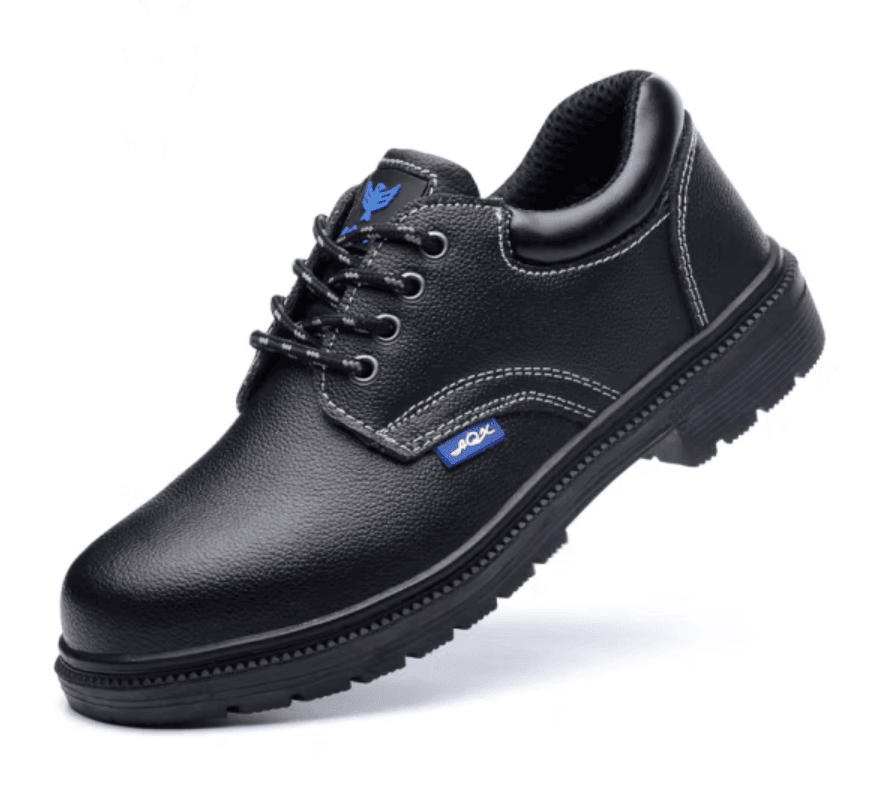
What Are ESD Safety Shoes?
ESD safety shoes are a kind of ESD Shoes,ESD-compliant work shoes that include additional safety features such as safety toe protection, slip resistance, and reinforced construction. They are commonly required in factories, warehouses, and electronics production facilities.
Typical electrical resistance range:
10⁶ – 10⁹ ohms (ESD dissipative)
This range ensures controlled discharge without creating sudden electrostatic events.
When Are ESD Safety Shoes Required?
ESD safety shoes are typically required when:
There is a risk of falling or rolling objects
Heavy materials or equipment are handled
Forklifts or carts operate in the work area
ESD protected areas (EPA) are combined with industrial operations
Common environments include electronics factories, SMT lines, warehouses, and industrial assembly areas.
Safety Standards for ESD Safety Shoes
Professional ESD safety shoes are designed to meet multiple standards:
ESD standards: IEC 61340, ANSI/ESD S20.20
Safety standards: EN ISO 20345 (toe protection, impact resistance)
Compliance ensures suitability for audited industrial environments.
Types of ESD Safety Toe Protection
ESD safety shoes are generally available with two main toe protection types:
Steel toe ESD shoes – maximum impact resistance
Composite toe ESD shoes – lightweight and metal-free
Each option is suited to different workplace requirements.
ESD Safety Shoes vs Standard Safety Shoes
| Feature | ESD Safety Shoes | Standard Safety Shoes |
|---|---|---|
| Static control | Yes | No |
| Electrical resistance | Controlled | Not defined |
| Electronics protection | Yes | No |
| EPA compliance | Yes | No |
How to Choose ESD Safety Shoes
When selecting ESD safety shoes, consider:
Required safety toe level
Work environment and hazards
Flooring system (ESD floor or mats)
Comfort for long working hours
Compliance requirements
For facilities requiring both static control and impact protection, ESD safety shoes are the recommended solution.
Summary
ESD safety shoes provide essential protection in environments where electrostatic discharge control and industrial safety must coexist. They form a critical part of modern electronics manufacturing and industrial ESD programs.
📞 Contact Us Today
For bulk orders, quotes, or product guidance, get in touch with our expert team:
Email: sales2@esdbest.com
Phone: +86 137 1427 2599
ESD safety shoes are designed to provide both electrostatic discharge protection and mechanical foot safety in industrial and electronics manufacturing environments. In workplaces where sensitive electronic components coexist with heavy equipment, ESD safety footwear plays a critical role in protecting both products and personnel.
Unlike standard ESD shoes, ESD safety shoes incorporate protective toe caps and durable outsoles while maintaining controlled electrical resistance for safe static dissipation.