Latex vs Nitrile vs Vinyl Gloves: Complete Comparison Guide
Introduction
Latex, nitrile, and vinyl gloves are the three most common disposable glove types.
While they may look similar, their performance, safety, and durability differ significantly.
This guide explains the real differences so you can make the right choice.
⸻
Material Overview
•Latex gloves: Natural rubber, highly elastic
•Nitrile gloves: Synthetic rubber, strong and chemical-resistant
•Vinyl gloves: PVC material, low cost, low durability
⸻
Strength and Durability Comparison
Feature Latex Nitrile Vinyl
Puncture Resistance Medium High Low
Elasticity Very High Moderate Low
Chemical Resistance Moderate Strong Weak
⸻
Allergy and Safety
Latex gloves can cause allergic reactions.
Nitrile and vinyl gloves are latex-free and safer for public and food environments.
⸻
Best Use Scenarios
•Latex: Medical exams, precision tasks
•Nitrile: Medical, industrial, laboratory, automotive
•Vinyl: Short, low-risk tasks
⸻
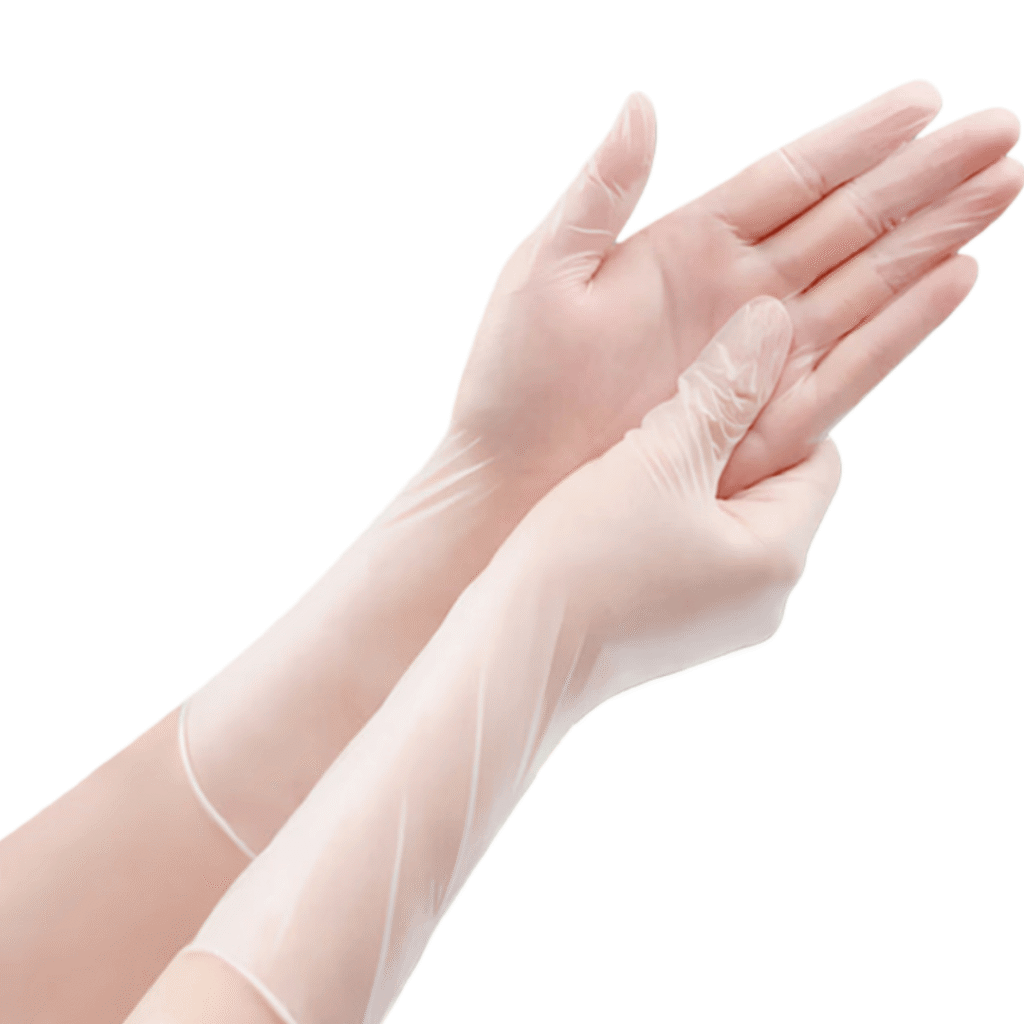
What Are Vinyl Gloves?
Vinyl gloves are made from PVC (polyvinyl chloride) combined with plasticizers.
They are:
•Latex-free
•Lightweight and loose-fitting
•Designed for short-term, low-risk tasks
Common uses include:
•Food preparation
•Light cleaning
•Non-hazardous handling
Vinyl gloves offer minimal protection but are widely chosen for their low cost.
⸻
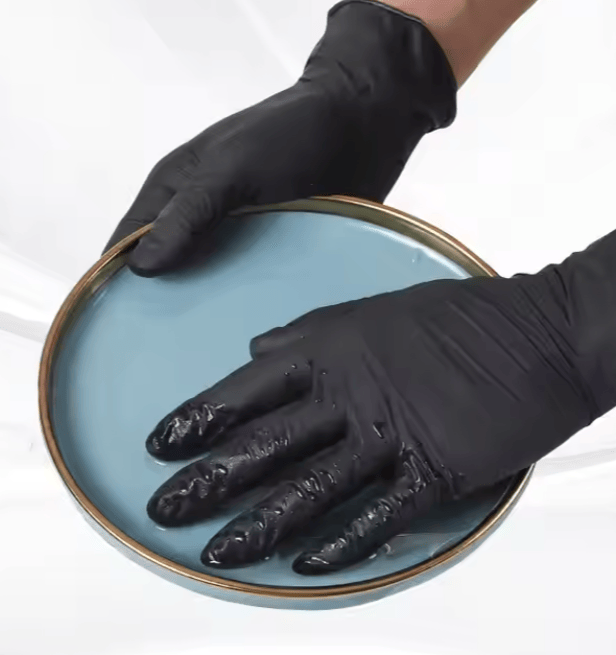
What Are Nitrile Gloves?
Nitrile gloves are made from synthetic nitrile rubber.
They provide:
•Excellent puncture resistance
•Strong chemical resistance
•A snug, comfortable fit
Nitrile gloves are considered the industry standard for:
•Medical and healthcare use
•Laboratories
•Automotive and industrial work
They are latex-free and suitable for users with latex allergies.
⸻
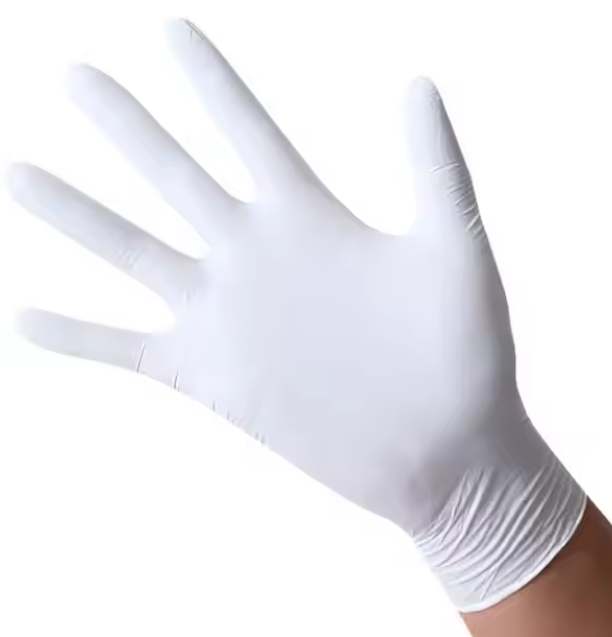
What Are Latex Gloves?
Latex gloves are made from natural rubber latex.
They are known for:
•Superior elasticity
•Excellent tactile sensitivity
•Comfortable, second-skin fit
Latex gloves are commonly used in:
•Medical examinations
•Dental procedures
•Precision tasks
⚠️ However, latex can cause allergic reactions in some users, which limits their use in many workplaces.
⸻
Vinyl vs Nitrile vs Latex Gloves — Comparison Table
| Feature | Vinyl Gloves | Nitrile Gloves | Latex Gloves |
|---|---|---|---|
| Material | PVC (Polyvinyl Chloride) | Synthetic rubber | Natural rubber |
| Durability | Low | High | Medium |
| Puncture Resistance | Poor | Excellent | Good |
| Chemical Resistance | Limited | Strong | Moderate |
| Fit & Comfort | Loose | Snug | Very elastic |
| Tactile Sensitivity | Low | High | Very high |
| Latex Allergy Risk | None | None | Yes |
| Cost | Lowest | Higher | Medium |
| Best For | Short, low-risk tasks | Medical & industrial use | Precision medical tasks |
⸻
Best Gloves for Food Handling
•Vinyl gloves are suitable for short food-handling tasks where gloves are frequently changed.
•Nitrile gloves are better for greasy or oily foods and longer shifts.
•Latex gloves are less commonly used due to allergy concerns.
✅ Best choice: Vinyl (short tasks), Nitrile (long or oily tasks)
⸻
Best Gloves for Medical Use
•Vinyl gloves offer insufficient barrier protection for medical procedures.
•Latex gloves provide excellent dexterity but pose allergy risks.
•Nitrile gloves deliver the best balance of protection, safety, and durability.
✅ Best choice: Nitrile gloves
⸻
Best Gloves for Industrial & Chemical Applications
•Vinyl gloves tear easily and offer poor chemical resistance.
•Latex gloves degrade when exposed to oils and solvents.
•Nitrile gloves resist punctures, oils, and chemicals.
✅ Best choice: Nitrile gloves
⸻
Which Glove Material Is Right for You?
Choose vinyl gloves if you need:
•Low-cost disposable gloves
•Short-term, low-risk protection
Choose nitrile gloves if you need:
•High durability and chemical resistance
•Medical or industrial-grade protection
Choose latex gloves if:
•Maximum dexterity is required
•Latex allergies are not a concern
Final Recommendation
For most professional uses, nitrile gloves offer the best balance of safety, durability, and value.
For deeper comparisons, see:
Disposable gloves are widely used in food service, healthcare, laboratories, and industrial environments, but choosing the right material is critical.The three most common types are vinyl gloves, nitrile gloves, and latex gloves.
While they may look similar, their performance, protection level, and safety risks are very different.
This guide provides a clear, side-by-side comparison to help you choose the right glove for your application.
Contact Us Today
For bulk orders, quotes, or product guidance, get in touch with our expert team:
Email: sales2@esdbest.com
Phone: +86 137 1427 2599
❓Which is better: vinyl, nitrile, or latex gloves?
Nitrile gloves are generally the best all-around option due to their durability, chemical resistance, and lack of allergy risk. Vinyl gloves are suitable for low-risk, short-term tasks, while latex gloves offer excellent comfort but may cause allergic reactions.
❓Are nitrile gloves safer than vinyl and latex gloves?
Yes. Nitrile gloves provide stronger puncture resistance and eliminate latex allergy concerns, making them safer for medical, food, and industrial environments.
❓ Why are vinyl gloves cheaper than nitrile and latex gloves?
Vinyl gloves are made from PVC and offer lower durability and protection, which reduces manufacturing costs. They are designed for short, low-risk use.
❓ Are latex gloves still used in medical settings?
Yes, but their use has declined due to latex allergy risks. Many healthcare facilities now prefer nitrile gloves as a safer alternative.
❓ Which gloves are best for food handling?
Nitrile gloves are often preferred for food handling because they are food-safe, durable, and resistant to oils. Vinyl gloves may be used for short tasks, while latex gloves are less common due to allergy concerns.