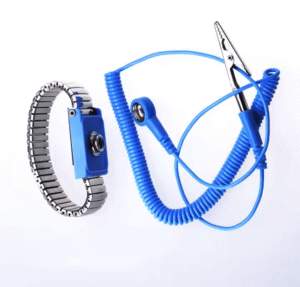
A Guide to Strapping Wrist​

How Does a Strapping Wrist (Anti-Static Wristband) Work? | HORBEST Guide

 
Bespoke Strapping Wrist Colours
 
Strapping wrist (anti-static wristband) has been a cornerstone of electrostatic discharge (ESD) protection for over 50 years. First developed in the 1960s to shield static-sensitive electronic components from static electricity damage, this technology has become indispensable in industries ranging from electronics manufacturing to semiconductors—where high static levels pose catastrophic risks.
 
Over the decades, modern designs have evolved, with HORBEST leading innovations in conductive fabric and stainless steel strapping wrist options that balance lightweight comfort with robust performance. Today, engineers, technicians, and frontline workers rely on strapping wrist to safely dissipate static before it harms valuable equipment.
 
In this comprehensive guide, we’ll answer all your questions about strapping wrist: what it is, common types, why to choose HORBEST, relevant standards, key selection factors, maintenance tips, troubleshooting, common mistakes to avoid, FAQs, and more.

electrostatic discharge straps
antistatic wrist strap
esd strap
esd strap
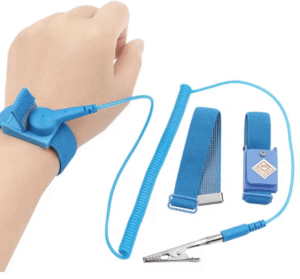
strapping wrist (also known as an anti-static wristband or ESD wrist strap) is a wearable grounding device designed to channel static electricity from the human body to the ground. As the first line of defense against ESD, it’s mandatory for seated operators in ESD Protected Areas (EPAs) and complies with the IEC-61340-5-1 International Standard.
 
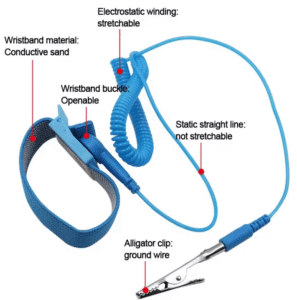
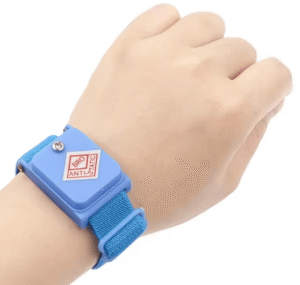
HORBEST strapping wrist is engineered for close skin contact, featuring a conductive inner layer (woven with silver fibers) that creates an unbroken grounding path. The outer layer is insulative for operator safety, and bright color options (e.g., blue, black, navy) ensure easy compliance checks. To work effectively, it must be snug (but not restrictive) and properly connected to a grounding source—eliminating static build-up that could damage sensitive electronics.
anti static wrist strap
 
“Electrostatic discharge (ESD) is an uncontrolled surge of ‘static’ between objects with different voltage potentials.”
 
Static electricity has plagued industries for centuries: as early as the 1400s, European forts used static control to prevent ESD from igniting gunpowder. Today, ESD is a top cause of electronic device failure, costing the industry billions annually. Its impact has worsened over 30 years due to two key trends:
 
  1. Increased use of insulating materials (e.g., synthetic fabrics, plastics) in workplaces, which trap static.
  2. Miniaturization of integrated circuits, making components more sensitive to even tiny static surges.
 
ESD damage falls into two categories:
 
  • Catastrophic failure: Immediate device breakdown (e.g., a fried circuit board).
  • Latent defect: Hidden damage that causes failures months later (e.g., reduced performance in consumer electronics).
 
Preventing static build-up with a strapping wrist is critical to avoiding costly downtime, repairs, and product recalls.
anti static wrist
anti static wrist
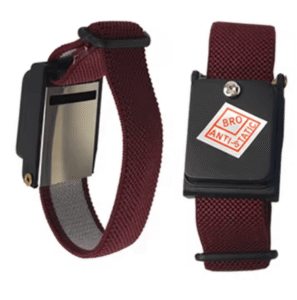
HORBEST offers a range of strapping wrist solutions tailored to diverse work environments. The color of the strap does not indicate protection level—bright hues are for visibility only, while custom colors are available for bulk orders.
 
Type Key Features Ideal Use Case
Fabric Adjustable Strapping Wrist Silver conductive fibers, breathable, adjustable fit Daily use in factories, labs, or offices
Metal Adjustable Strapping Wrist Stainless steel/copper band, high conductivity, durable Harsh industrial settings (e.g., semiconductor plants)
Hypoallergenic Strapping Wrist Non-irritating conductive materials Workers with sensitive skin or allergies
Disposable Strapping Wrist Lightweight conductive foam/plastic, single-use Short-term projects, fieldwork, or cleanrooms
Crocheted Strapping Wrist Soft, flexible, washable Long-shift environments (e.g., electronics assembly lines)
 
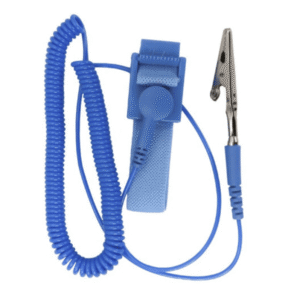
All HORBEST strapping wrist types include a secure snap connector and compatible grounding options (coiled cord with crocodile clip or 10mm press stud for workstations).
ESD Metal Anti-static Bracelet
When it comes to ESD protection, HORBEST stands out for its commitment to quality, compliance, and user-centric design. Here’s why it’s the top choice for industries worldwide:

4.1 Superior Conductivity

HORBEST strapping wrist uses premium materials (e.g., silver-plated fibers, stainless steel) for low-resistance grounding—ensuring static dissipates instantly, not gradually. This is critical for protecting ultra-sensitive components (e.g., microchips).

4.2 Comfort for All-Day Wear

Ergonomic design with adjustable straps and soft inner linings reduces skin irritation, even during 8+ hour shifts. Unlike cheap alternatives, HORBEST straps won’t dig into wrists or lose elasticity over time.

4.3 Compliance with Global Standards

Every HORBEST strapping wrist meets IEC-61340-5-1 and ANSI/ESD S20.20 standards, ensuring compatibility with international EPA requirements. This is essential for businesses operating in global supply chains.

4.4 Durability & Reliability

Rigorous quality testing ensures HORBEST straps withstand daily wear, chemical exposure, and repeated use. Reinforced snap connectors and coiled cords prevent breakage—reducing replacement costs.

4.5 Versatility & Customization

From disposable options for fieldwork to heavy-duty metal straps for industrial use, HORBEST covers all needs. Custom colors, logos, and sizing are available for corporate branding or team-specific requirements.

4.6 Cost-Effectiveness

HORBEST offers competitive pricing without compromising quality. Reusable straps have a long lifespan (1–2 years with proper care), while disposable options are affordable for short-term projects—delivering strong ROI.
Compliance with industry standards is non-negotiable for effective ESD protection. HORBEST strapping wrist adheres to two key standards:

5.1 IEC-61340-5-1

This international standard specifies requirements for personnel grounding devices (including strapping wrist). It mandates:
 
  • Maximum resistance of 1 MΩ (to ensure safe static discharge).
  • Durability testing (e.g., 10,000+ snap connector cycles).
  • Insulative outer layers to prevent electric shock.

5.2 ANSI/ESD S20.20

A U.S.-based standard widely adopted globally, it requires strapping wrist to be part of a comprehensive ESD control program. HORBEST products meet its strict guidelines for conductivity, maintenance, and traceability.
 
Choosing a standards-compliant strapping wrist like HORBEST ensures your workplace meets regulatory requirements and minimizes liability.
Selecting the right strapping wrist depends on your specific needs. Use these factors to make an informed decision:

6.1 Conductivity

Opt for straps with resistance between 10^6–10^9 Ω (the sweet spot for safe static discharge). HORBEST’s silver fiber and metal straps exceed this range.

6.2 Comfort & Fit

Look for adjustable straps that fit all wrist sizes (15–22cm is standard). Avoid rigid or scratchy materials—HORBEST’s hypoallergenic and crocheted options prioritize comfort.

6.3 Grounding Compatibility

Ensure the strap works with your existing setup (e.g., crocodile clip for mobile use, press stud for workstations). HORBEST offers dual-compatible options for versatility.

6.4 Durability

For high-use environments, choose metal or fabric straps (disposable options are better for short-term use). HORBEST’s reinforced connectors and washable fabrics extend product life.

6.5 Compliance

Always verify compliance with IEC-61340-5-1/ANSI/ESD S20.20—non-compliant straps offer false protection. HORBEST provides certification documents for all products.

6.6 Application

  • Cleanrooms: Disposable or hypoallergenic strapping wrist (reduces contamination).
  • Industrial settings: Metal or heavy-duty fabric straps (resistant to wear).
  • Fieldwork: Coiled cord with crocodile clip (portable grounding).
Proper maintenance ensures your strapping wrist performs reliably. Follow these guidelines:

7.1 Regular Maintenance

  • Cleaning: Wipe fabric/metal straps with mild soap and water; dry thoroughly before use. Avoid harsh chemicals (e.g., bleach) that damage conductive materials.
  • Inspection: Check snap connectors, cords, and conductive layers monthly for cracks, corrosion, or fraying. Replace damaged parts immediately.
  • Storage: Keep unused straps in a clean, dry place (avoid direct sunlight or humid environments).

7.2 Troubleshooting Common Issues

Problem Cause Solution
Static still builds up Poor skin contact or loose strap Adjust the strap to be snug (not tight) and ensure conductive material touches skin.
No grounding Faulty snap connector or ungrounded clip Test the connector with a multimeter; reattach the crocodile clip to a verified ground (e.g., metal equipment chassis).
Reduced conductivity Dirty strap or worn conductive layer Clean the strap; if conductivity doesn’t improve, replace it.
Skin irritation Allergic reaction to materials Switch to HORBEST’s hypoallergenic strapping wrist.

7.3 Replacement Schedule

There’s no fixed lifespan, but HORBEST recommends:
 
  • Reusable straps: Replace every 6–12 months (or sooner if damaged).
  • Disposable straps: Single-use only (discard after project completion).
  • Shared straps: Replace quarterly to maintain hygiene and performance.
Even the best strapping wrist fails if used incorrectly. Avoid these pitfalls:

8.1 Not Wearing It At All

Skipping a strapping wrist is the #1 cause of ESD damage. Always wear it when handling static-sensitive components—even for “quick tasks.”

8.2 Improper Grounding

A strapping wrist only works if connected to a valid ground. Never attach the crocodile clip to painted metal, plastic, or ungrounded surfaces. Use HORBEST’s grounding plugs or verified workstation bonding points.

8.3 Incorrect Fit

A loose strap creates intermittent contact; an overly tight strap restricts blood flow and causes discomfort. Aim for a snug fit that stays in place without digging in.

8.4 Touching Non-Grounded Surfaces

After putting on your strapping wrist, avoid touching insulative materials (e.g., plastic tables, synthetic clothing)—these trap static and defeat the purpose of the strap.

8.5 Using Non-Compliant Straps

Cheap, unbranded strapping wrist may not meet conductivity standards. Stick to trusted brands like HORBEST to ensure reliable protection.

8.6 Neglecting Maintenance

Dirty or damaged straps lose conductivity. Schedule regular cleaning and inspections to keep your HORBEST strapping wrist working effectively.

10. Conclusion

A strapping wrist is an essential, cost-effective tool for protecting static-sensitive electronics. By grounding static from the human body, it prevents catastrophic and latent ESD damage—saving businesses time, money, and reputational harm.
 
HORBEST strapping wrist stands out for its superior conductivity, comfort, compliance, and versatility. Whether you need a disposable option for fieldwork or a durable strap for daily industrial use, HORBEST has a solution tailored to your needs.
 
Investing in high-quality strapping wrist isn’t just a safety measure—it’s a smart business decision. By choosing HORBEST, you ensure your team works safely, your products meet quality standards, and your bottom line stays protected.

📞 Contact Us Today

For bulk orders, quotes, or product guidance, get in touch with our expert team:

Email: sales2@esdbest.com
Phone: +86 137 1427 2599

11. Related Posts

  • Top 5 ESD Protection Products for Electronics Manufacturing | HORBEST
  • How to Set Up an ESD Protected Workstation (EPA) with Strapping Wrist
  • HORBEST ESD Mats: The Perfect Companion to Strapping Wrist
  • Common ESD Myths Debunked: Why Strapping Wrist Matters
  • Bulk Order Guide: Custom HORBEST Strapping Wrist for Teams

这是示例文本,单击 “编辑” 按钮更改此文本。

Free ‘Customized ESD Solution for Your Facility’ E-book

Sign up for our ESD & Cleanroom newsletter with the best solution.