What’s the Real Difference in Electronics Handling?

Static vs ESD: What’s the Real Difference?
Static is stored electrical charge. ESD is the sudden discharge of that charge.
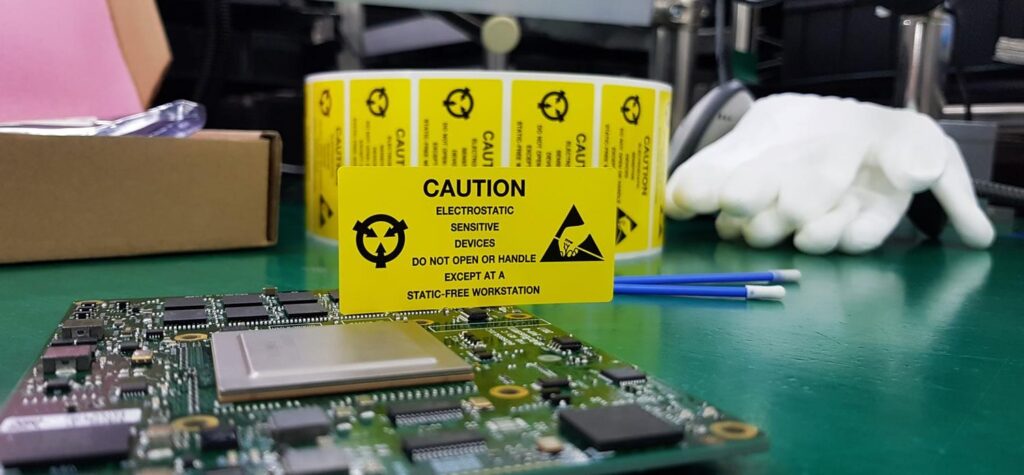
In electronics handling, static electricity builds up silently. But when it discharges, it can damage sensitive components instantly — even if you don’t feel anything.
- ✔ Static = charge buildup
- ✔ ESD = sudden discharge
- ✔ Static creates risk
- ✔ ESD causes damage
📞 Contact Us Today
For bulk orders, quotes, or product guidance, get in touch with our expert team:
Email: sales2@esdbest.com
Whatsapp: +86 137 1427 2599
Static vs ESD: Quick Comparison
| Term | Meaning | What Happens | Risk |
|---|---|---|---|
| Static Electricity | Stored electrical charge | Charge builds up on surface | Low until discharge |
| ESD | Electrostatic discharge | Charge releases suddenly | High risk to electronics |
| Static Build-up | Cause | Energy accumulates | Indirect risk |
| ESD Event | Damage moment | Sudden energy transfer | Direct damage |
Static is the condition. ESD is the event.
What Is Static Electricity?
Static electricity is a buildup of electrical charge on a surface, object, or human body. It occurs when electrons move between materials through friction, contact, or separation.
Common sources include:
- Walking on floors
- Plastic packaging
- Clothing friction
- Low humidity environments
Static itself is stored energy. It becomes dangerous when it discharges.
What Is ESD?
ESD (Electrostatic Discharge) is the sudden transfer of static electricity from one object to another.
This happens when there is a difference in electrical potential.
In electronics manufacturing, ESD can occur when:
- A person touches a PCB
- A tool contacts a component
- A charged surface meets a device
This sudden discharge is what causes damage.
Static vs ESD: The Real Difference
The difference between static and ESD is simple:
- Static = stored electrical charge
- ESD = sudden discharge of that charge
- Static creates the risk
- ESD causes the damage
You can think of static as energy waiting. ESD is energy released instantly.
Can Static Electricity Damage Electronics?
Yes — but usually through an ESD event.
When static discharges into a sensitive component, it can cause:
- Catastrophic failure (immediate)
- Latent damage (hidden defects)
- Reduced product reliability
Latent damage is especially dangerous because it may not be detected during production.
Static vs ESD in a Factory
A worker walks across the floor and builds up charge.
That is static electricity.
The worker touches a PCB.
The charge discharges instantly.
That is ESD.
Static builds. ESD destroys.
How to Prevent ESD
- Use wrist straps for grounding
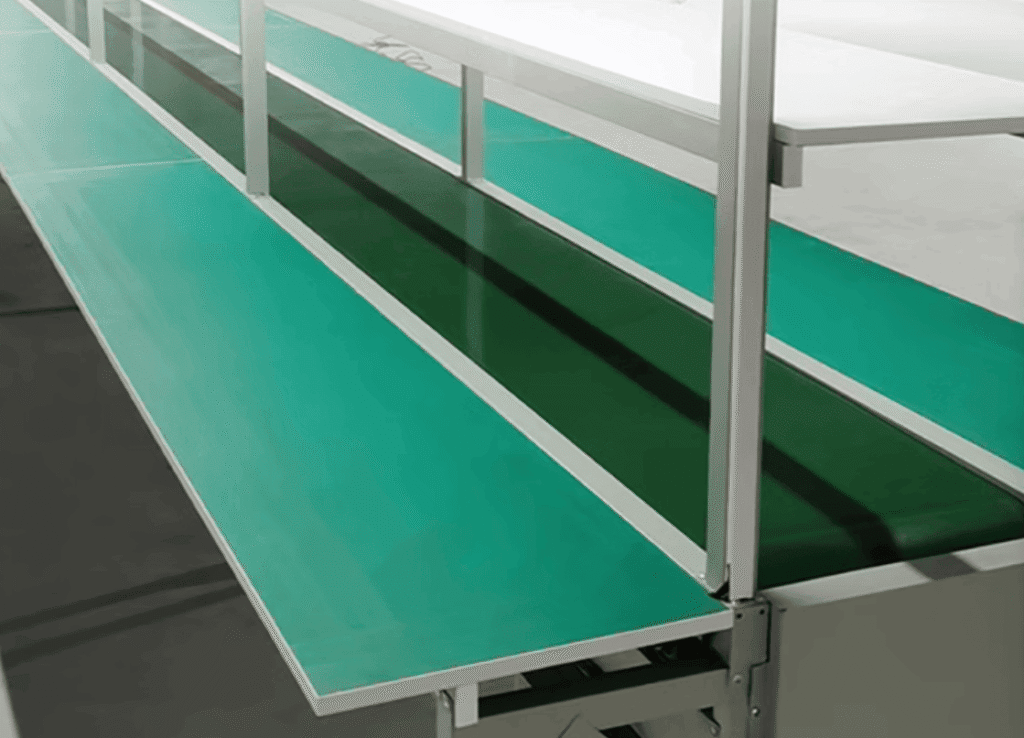
- Install ESD mats and workstations
- Wear ESD gloves and footwear
- Use ionizers for insulators
- Use proper ESD packaging
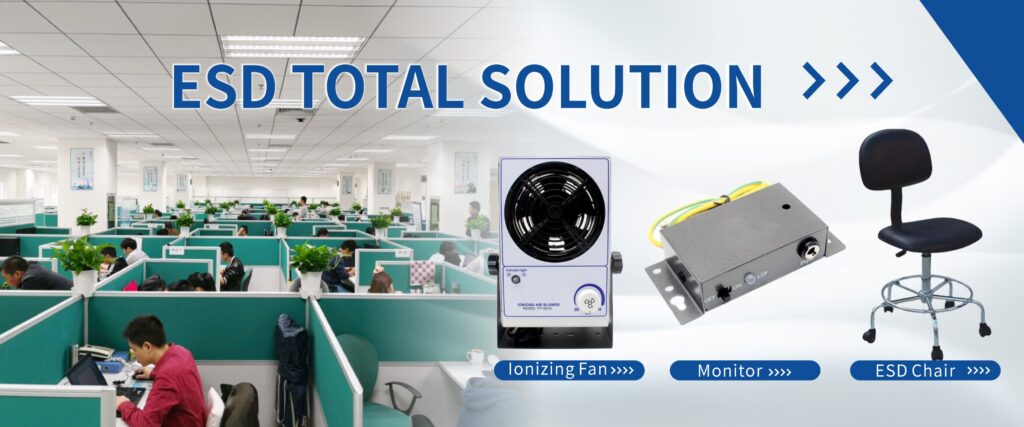
ESD Protection Solutions
Protect your electronics with professional ESD control products.
ESD Gloves ESD Mats IonizersFrequently Asked Questions
What is the difference between static and ESD?
Static is stored charge. ESD is the sudden discharge of that charge.
Can static electricity damage electronics?
Yes, especially when it discharges into sensitive components.
Is grounding enough?
No. Ionizers and ESD-safe materials are also required.
2. Is static electricity the same as ESD?
No. Static electricity is the buildup of charge, while ESD is the event where that charge is released suddenly.
3. Can static electricity damage electronics?
Yes. Static becomes dangerous when it discharges into a sensitive component, causing an ESD event.
4. Why is ESD dangerous for electronic components?
ESD can cause catastrophic failure or latent damage, reducing product reliability and increasing failure risk.
5. What causes static build-up in a factory?
Common causes include walking, synthetic clothing, plastic trays, packaging films, low humidity, and ungrounded surfaces.
6. How can I prevent ESD in electronics handling?
Use wrist straps, ESD mats, grounded workstations, ESD-safe gloves and footwear, shielding bags, and ionizers where needed.
7. Is grounding enough to stop ESD?
Not always. Grounding is essential, but ionizers and ESD-safe materials are also needed, especially around insulators.
8. What products help control static and ESD?
Common solutions include ESD gloves, ESD mats, wrist straps, ionizers, footwear, garments, shielding bags, and ESD workstations.
9.How to choose the best ESD gloves?
please check :best ESD gloves
Related Guides
Build a Safe ESD Workstation Today
Reduce static risk and protect your electronics with ESDBEST solutions.
Get Factory Quote