Nitrile vs Latex Gloves: The Complete Guide to Choosing the Right Gloves
Choosing the right disposable gloves is critical for safety, efficiency, and compliance. Among all options available today, nitrile gloves and latex gloves are the two most commonly used. But they are not the same.
If you choose the wrong type, you may face issues such as tearing, chemical exposure, allergic reactions, or poor performance in real working conditions.
This guide explains everything you need to know about nitrile vs latex gloves, including material differences, durability, safety, cost, and the best use cases for each.
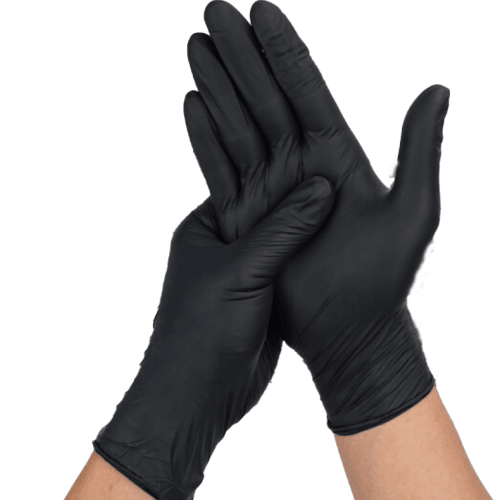


Understand the Material Difference
Learn how nitrile and latex gloves differ in material, flexibility, allergy profile, and suitability for different commercial environments.
Choose the Right Fit for the Job
Compare the strengths of each glove type for food handling, industrial work, cleaning, precision handling, and daily mixed-use tasks.
Buy with More Confidence
Use this comparison page to make a clearer decision on comfort, durability, allergy concerns, and long-term purchasing practicality.
Nitrile vs Latex Gloves at a Glance
Compare the main differences in material, comfort, durability, and everyday commercial use.
| Feature | Nitrile Gloves | Latex Gloves |
|---|---|---|
| Material | Synthetic rubber | Natural rubber |
| Latex-Free | Yes | No |
| Elasticity | Good | Excellent |
| Tactile Sensitivity | Good | Excellent |
| Durability | Strong | Good |
| Chemical Resistance | Good for many uses | More limited in many uses |
| Common Commercial Use | Industrial, food, cleaning, maintenance | Precision work, lab, selected task use |
👉 Quick Verdict: For most modern applications, nitrile gloves are the better overall choice.
What Are Nitrile Gloves?
Nitrile gloves are made from synthetic rubber (nitrile butadiene). They were developed as an alternative to latex gloves, especially to eliminate allergy risks.
Today, nitrile gloves are widely used in:
Automotive and mechanical work
Industrial manufacturing
Food handling
Cleaning and janitorial services
Laboratories
Medical environments
Electronics assembly
Key Advantages of Nitrile Gloves
Strong puncture resistance
Resistant to oil, grease, and chemicals
Latex-free (safe for sensitive users)
Durable for heavy-duty work
Professional appearance (especially black nitrile gloves)
Because of these advantages, nitrile gloves have become the industry standard in many sectors.
What Are Latex Gloves?
Latex gloves are made from natural rubber, derived from rubber tree sap. They have been used for decades, especially in medical and laboratory environments.
Key Advantages of Latex Gloves
Excellent elasticity
Soft and comfortable feel
High tactile sensitivity
Close hand fit
Main Limitation
Can cause allergic reactions in some users
This allergy issue is the main reason many industries are moving away from latex.
Nitrile vs Latex Gloves: Detailed Comparison
1. Material Differences
The biggest difference is the material:
Nitrile = synthetic
Latex = natural rubber
This affects everything from durability to safety.
2. Allergy Risk
Latex gloves can trigger allergic reactions in some people. Symptoms may include:
Skin irritation
Itching
Rash
Severe allergic responses
Nitrile gloves eliminate this risk entirely.
👉 Winner: Nitrile
3. Durability and Strength
Nitrile gloves are significantly stronger than latex gloves.
They resist:
punctures
tearing
rough handling
repeated use
Latex gloves are softer but more likely to tear under stress.
👉 Winner: Nitrile
4. Chemical and Oil Resistance
If your work involves:
chemicals
oils
solvents
cleaning agents
Nitrile gloves perform much better.
Latex gloves provide only basic protection in these environments.
👉 Winner: Nitrile
5. Comfort and Flexibility
Latex gloves are known for their:
softness
stretchability
natural feel
Nitrile gloves have improved, but latex still offers slightly better comfort.
👉 Winner: Latex
6. Tactile Sensitivity
For tasks requiring precision:
surgery
dental work
lab testing
Latex gloves provide better sensitivity.
👉 Winner: Latex
7. Professional Use & Appearance
Nitrile gloves are widely used in:
automotive workshops
tattoo studios
industrial environments
Black nitrile gloves, in particular, give a professional look and hide stains.
👉 Winner: Nitrile
8. Cost Comparison
Latex gloves are sometimes cheaper
Nitrile gloves may cost slightly more
However, nitrile often provides better value due to longer durability.
👉 Winner: Depends, but nitrile = better long-term value
Best Use Cases for Nitrile Gloves
Automotive & Mechanics
Nitrile gloves resist oil, grease, and wear, making them ideal for mechanics.
Industrial Work
Factories prefer nitrile for durability and reliability.
Food Handling
Latex-free = safer for customers and staff.
Cleaning & Janitorial
Better chemical resistance makes nitrile the preferred option.
Best Use Cases for Latex Gloves
Medical & Clinical
Latex provides excellent touch sensitivity.
Laboratory Work
Soft and flexible for precision tasks.
Light Cleaning
Suitable for low-risk environments.
Nitrile vs Latex for Food Handling
Both can be used, but nitrile is often preferred because:
no allergy risk
stronger
more reliable in busy kitchens
👉 For food businesses, nitrile is usually the safer option.
Nitrile vs Latex for Cleaning
Cleaning involves chemicals and long wear time.
Nitrile gloves:
last longer
resist chemicals better
provide more protection
👉 Nitrile is the better choice for cleaning.
Nitrile vs Latex for Mechanics
Mechanics deal with:
grease
oil
sharp tools
Latex gloves fail quickly in these conditions.
👉 Nitrile is the clear winner.
Which Gloves Do Factories Use?
Most modern factories use nitrile gloves because they:
do not cause allergies
last longer
resist chemicals
reduce replacement costs
👉 In real-world industrial environments, nitrile is the standard.
How to Choose the Right Gloves
Choose latex gloves if you need:
maximum comfort
high flexibility
precision work
Choose nitrile gloves if you need:
durability
chemical resistance
safety for multiple users
industrial performance
👉 For most businesses: choose nitrile
Final Verdict
If comfort is your top priority, latex is still a good choice.
But if you want:
safety
durability
versatility
industrial performance
👉 Nitrile gloves are the better overall solution
This is why nitrile has become the dominant choice in modern workplaces.
Contact Us Today
For bulk orders, quotes, or product guidance, get in touch with our expert team:
Email: sales2@esdbest.com
Whatapp & Phone: +86 137 1427 2599
Frequently Asked Questions
Are nitrile gloves better than latex gloves?
Often yes, when latex-free protection, stronger everyday durability, and broader commercial use are priorities.
Do nitrile gloves cause latex allergies?
No. Nitrile gloves are latex-free and are commonly chosen as an alternative where latex sensitivity is a concern.
Which gloves are better for food handling?
Many buyers prefer nitrile gloves because they are latex-free and practical for routine food preparation and related handling tasks.
Which gloves are more durable?
Nitrile gloves are commonly chosen when stronger puncture resistance and wear performance matter, while latex gloves are often valued for stretch and touch sensitivity.
Are nitrile gloves good for chemical handling?
They are used in many chemical-handling settings, but glove choice should always be matched to the actual chemical and task.
Related Nitrile Glove Guides
Nitrile Gloves
Explore nitrile glove options for industrial handling, food use, cleaning, and general business supply.
Industrial ChoiceBlack Nitrile Gloves
Discover why black nitrile gloves are popular for automotive, maintenance, and professional commercial environments.
Food HandlingFood Safe Nitrile Gloves
See how nitrile gloves are used in food preparation, packaging, processing, and kitchen workflows.
Need Reliable Nitrile Gloves?
Upgrade your safety and performance with high-quality nitrile gloves.
FAQ
Which is better, nitrile or latex gloves?
Nitrile gloves are generally better because they are stronger, latex-free, and more resistant to chemicals.
Are nitrile gloves safer?
Yes, because they do not cause latex allergies.
Are latex gloves more comfortable?
Yes, latex gloves are softer and more flexible.
Are nitrile gloves good for food handling?
Yes, they are widely used because they are durable and latex-free.
Why do mechanics use nitrile gloves?
Because nitrile resists oil, grease, and tearing better.