How to Ground to ESD Workbench? Complete Guide for ESD Workbench Grounding

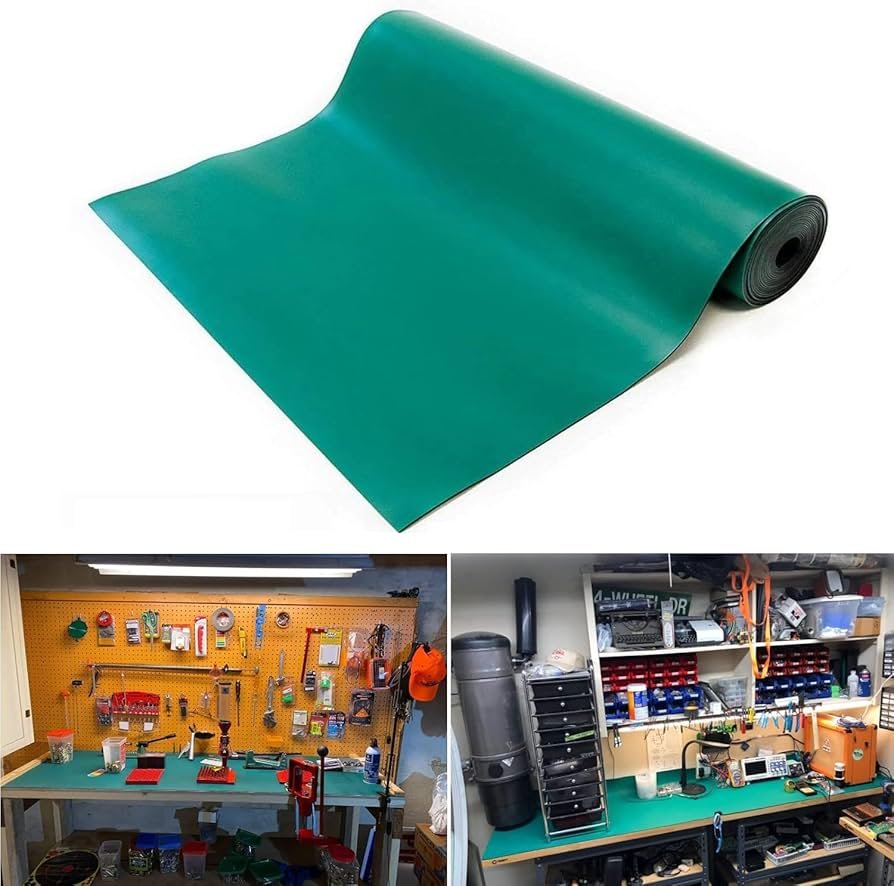
What Is an ESD Mat?

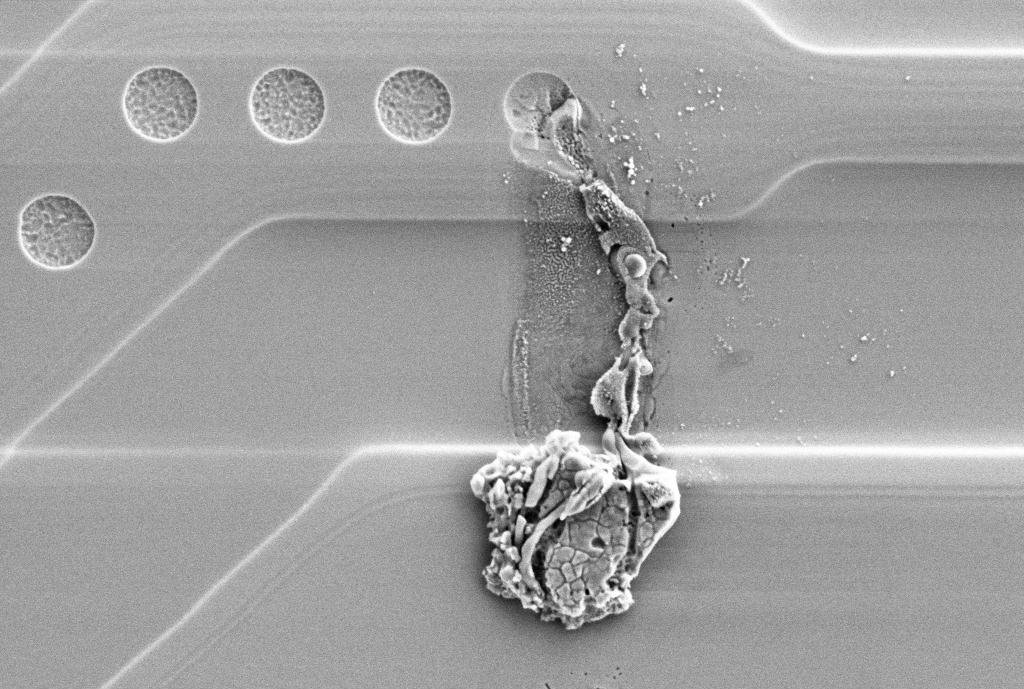
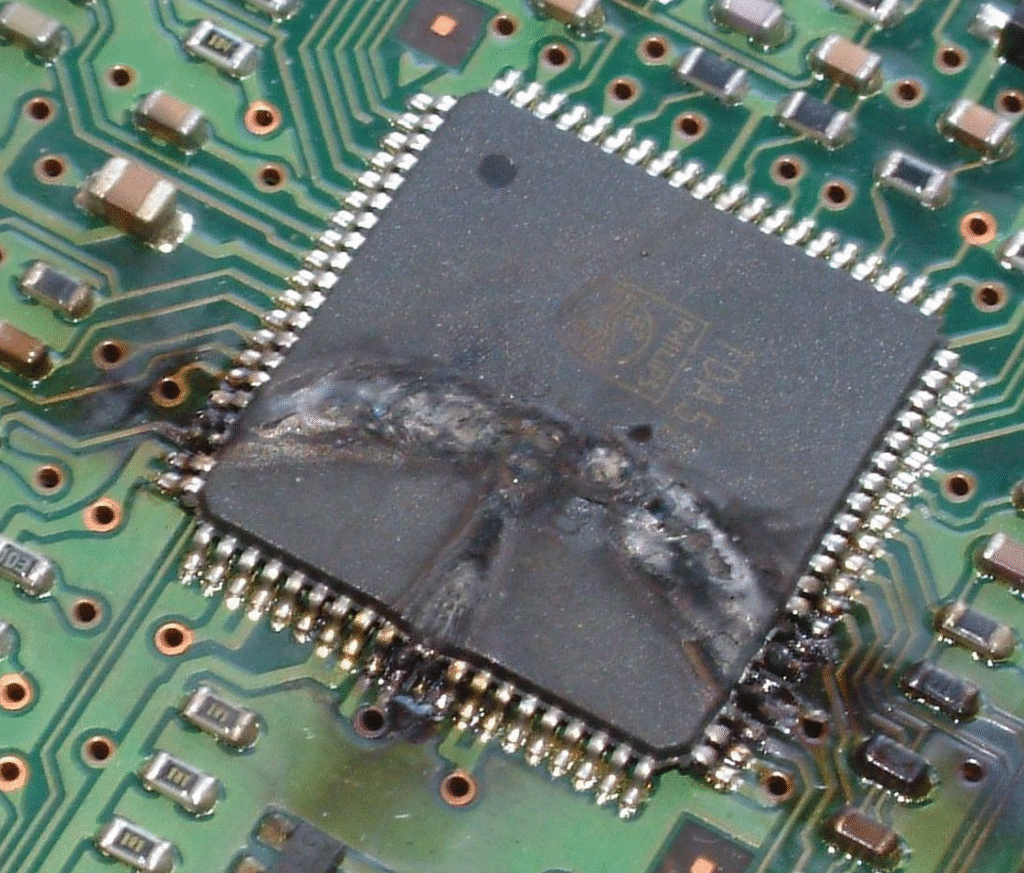
ESD mats are essential tools used in electronics manufacturing environments to control static electricity. Electrostatic discharge (ESD) can easily damage sensitive components such as integrated circuits, semiconductors, and microchips.

An ESD workbench mat is designed to safely dissipate static charges and redirect them to a grounded point. This controlled discharge prevents sudden electrostatic events that could destroy electronic components.

Anti-static mats are commonly installed in:

  • electronics assembly lines

  • semiconductor fabrication plants

  • PCB repair stations

  • laboratory testing environments

  • cleanroom workstations

Most ESD mats feature a two-layer construction.

Top layer
Static dissipative surface that controls charge movement.

Bottom layer
Conductive layer that channels electricity to the ground.

Typical resistance range:

10⁶ – 10⁹ ohms.

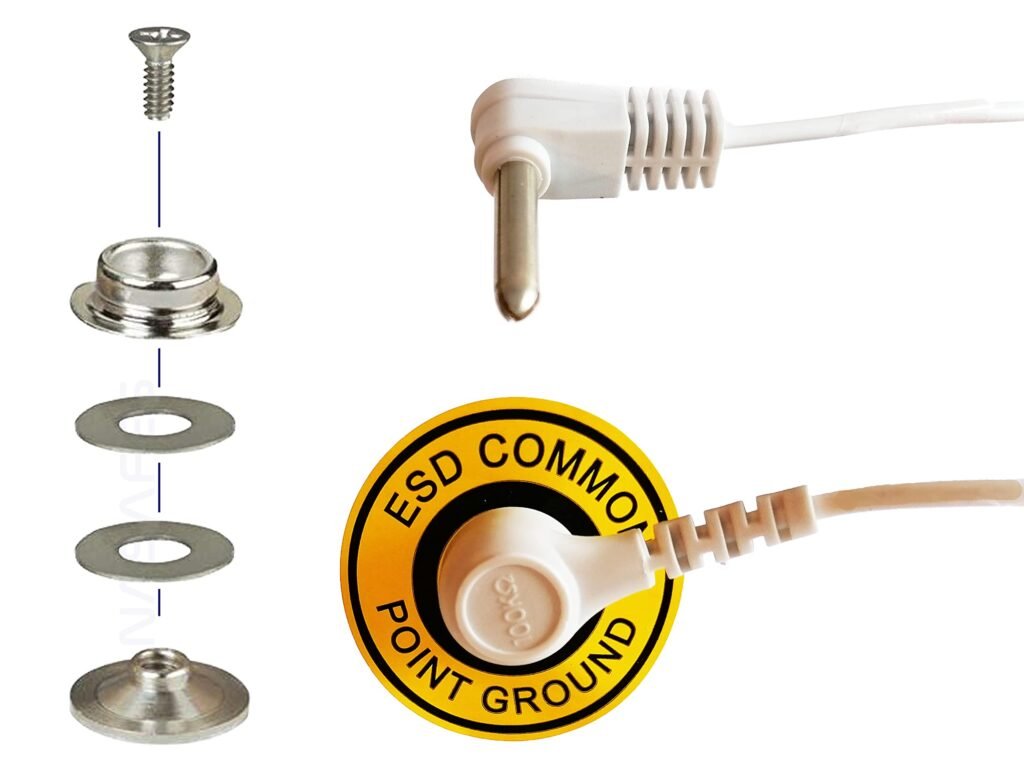
esd-snap-connector
esd-damage-chip
esd-damage-chip

Why Grounding an ESD Mat Is Important

Without proper grounding, an anti-static mat cannot dissipate electrical charges effectively.

Static electricity can build up through everyday activities such as:

  • walking across the floor

  • handling plastic packaging

  • moving tools or equipment

  • friction between materials

Even a small electrostatic discharge can damage sensitive devices.

For example:

  • MOSFET devices can fail at 100V

  • advanced semiconductor devices can fail below 30V

A properly grounded ESD mat ensures that static electricity is safely discharged to earth ground before it reaches electronic components.

Equipment Needed for ESD Mat Grounding

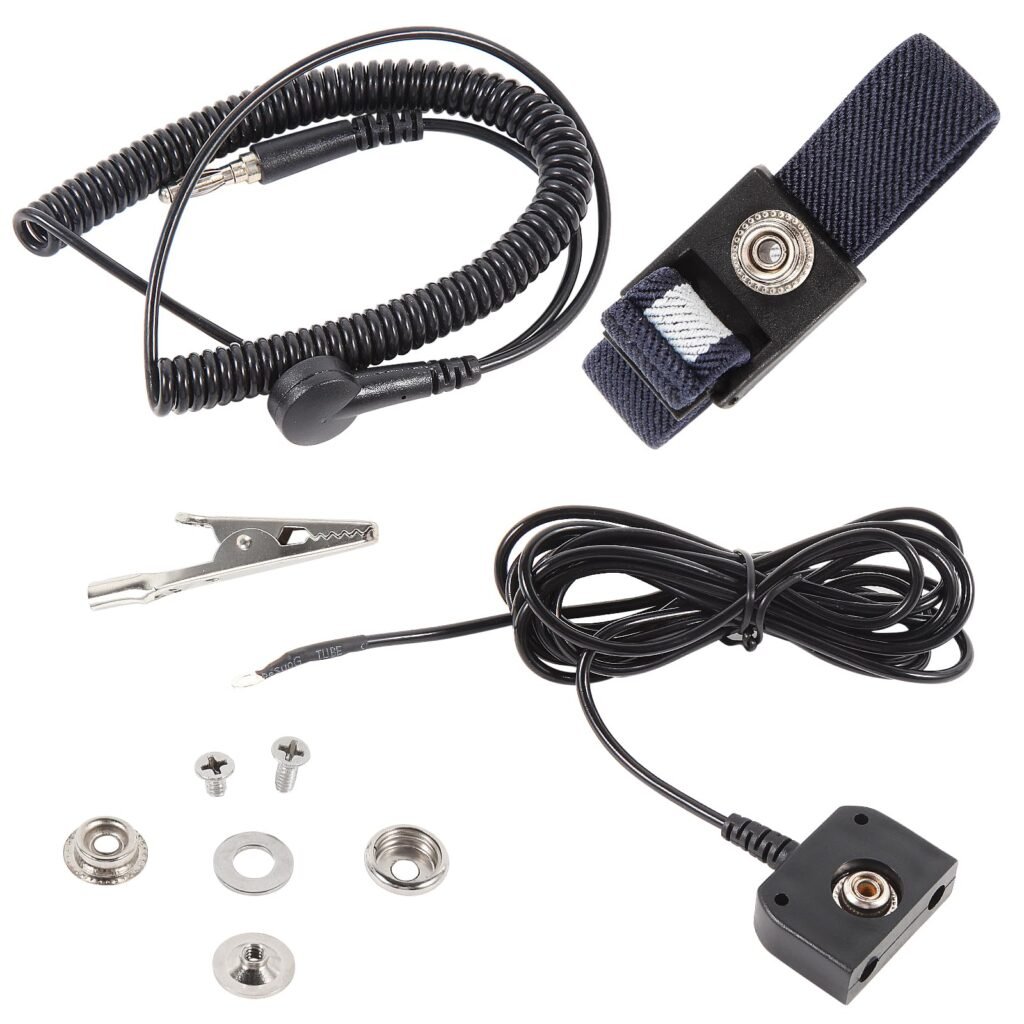
Before installing an ESD mat grounding system, prepare the following equipment:

ESD table mat
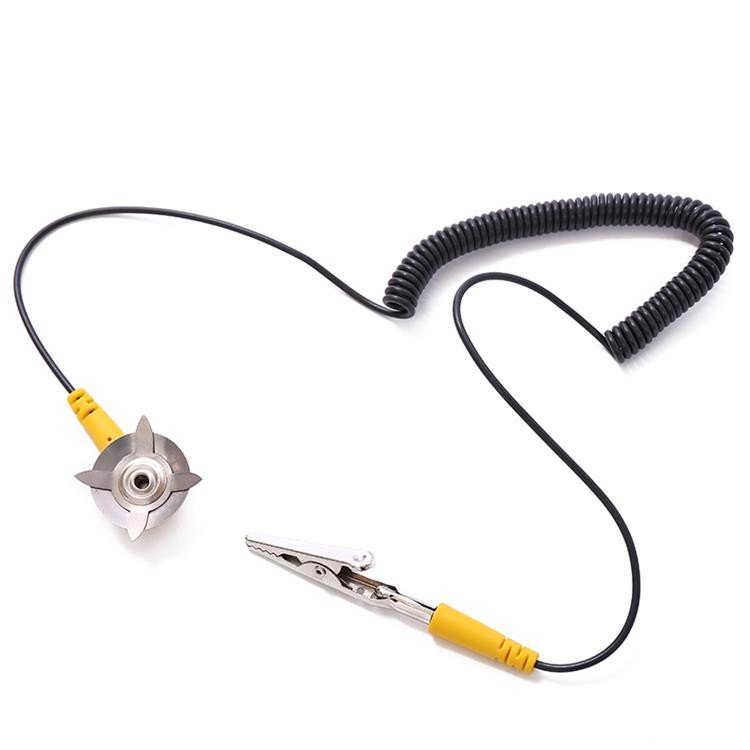
grounding cord
snap connector
common ground point
• copper grounding wire
grounding plug adapter

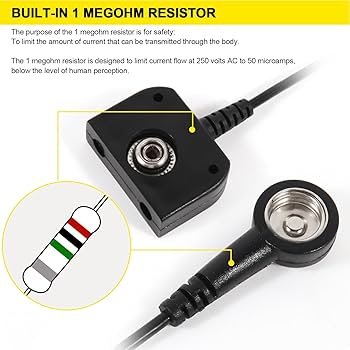
Professional grounding cords normally include a 1 mega-ohm resistor. This resistor protects the user while allowing static electricity to dissipate safely.

esd-workbench-setup
esd-ground-bus-bar

Step-by-Step Guide to Ground an ESD Mat

Step 1

Place the ESD mat on the workbench.

Ensure the mat is flat and fully covers the workspace.


Step 2

Attach the grounding snap.

Most anti-static mats include a metal snap button that connects to the grounding cord.


Step 3

Connect the grounding cord.

Attach the cord to a common ground point or verified earth ground.


Step 4

Ensure the resistor is present.

The grounding cord should contain a 1 mega-ohm resistor for safety.


Step 5

Test the grounding system.

Use an ESD tester or resistance meter to confirm the grounding path.

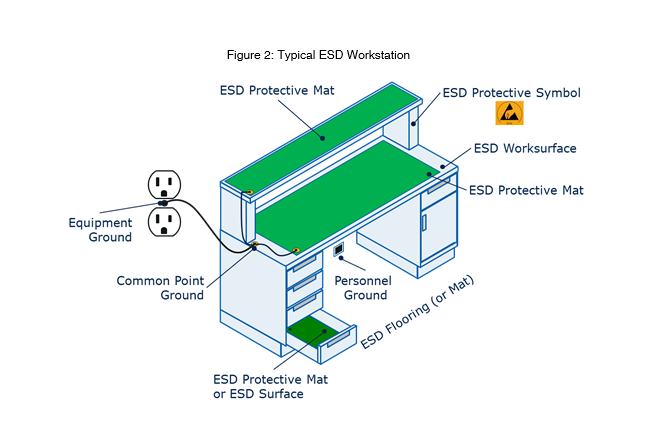
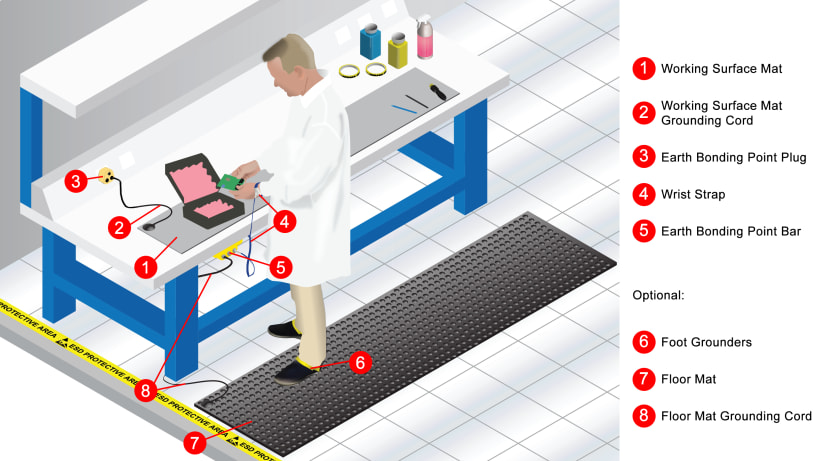
Typical ESD Workstation Grounding System

https://www.esda.org/assets/Fig-2-Pt-3.PNG
 
https://res.cloudinary.com/rs-designspark-live/image/upload/c_limit%2Cw_829/f_auto/v1/article/epa-room_4131ae065651f6413261e28dd431acbd1cde2fb8

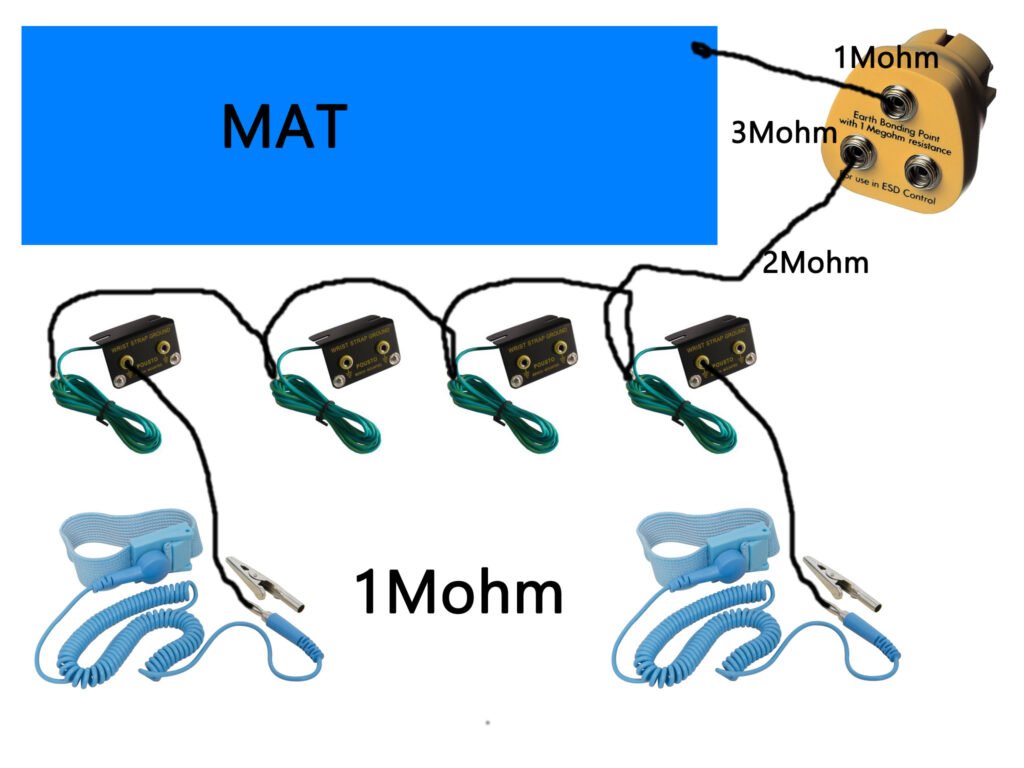
A professional ESD workstation includes several grounded elements:

Worker → Wrist Strap
Workbench → ESD Mat
Floor → ESD Floor Mat
Equipment → Ground Bus

All components are connected to a common grounding point to ensure consistent static control.


Common ESD Grounding Mistakes

Many factories install anti-static mats incorrectly.

Common errors include:

Using no grounding cord
Connecting to machine frames instead of earth ground
Using damaged cables
Failing to test resistance regularly

These mistakes reduce the effectiveness of ESD protection.


ESD Standards for Workbench Grounding

Proper ESD grounding methods

should comply with international standards:

ANSI/ESD S20.20

Primary ESD control program standard used worldwide.

IEC 61340-5-1

International standard for electrostatic protection.

EPA (Electrostatic Protected Area)

Defines controlled environments for handling sensitive electronics.


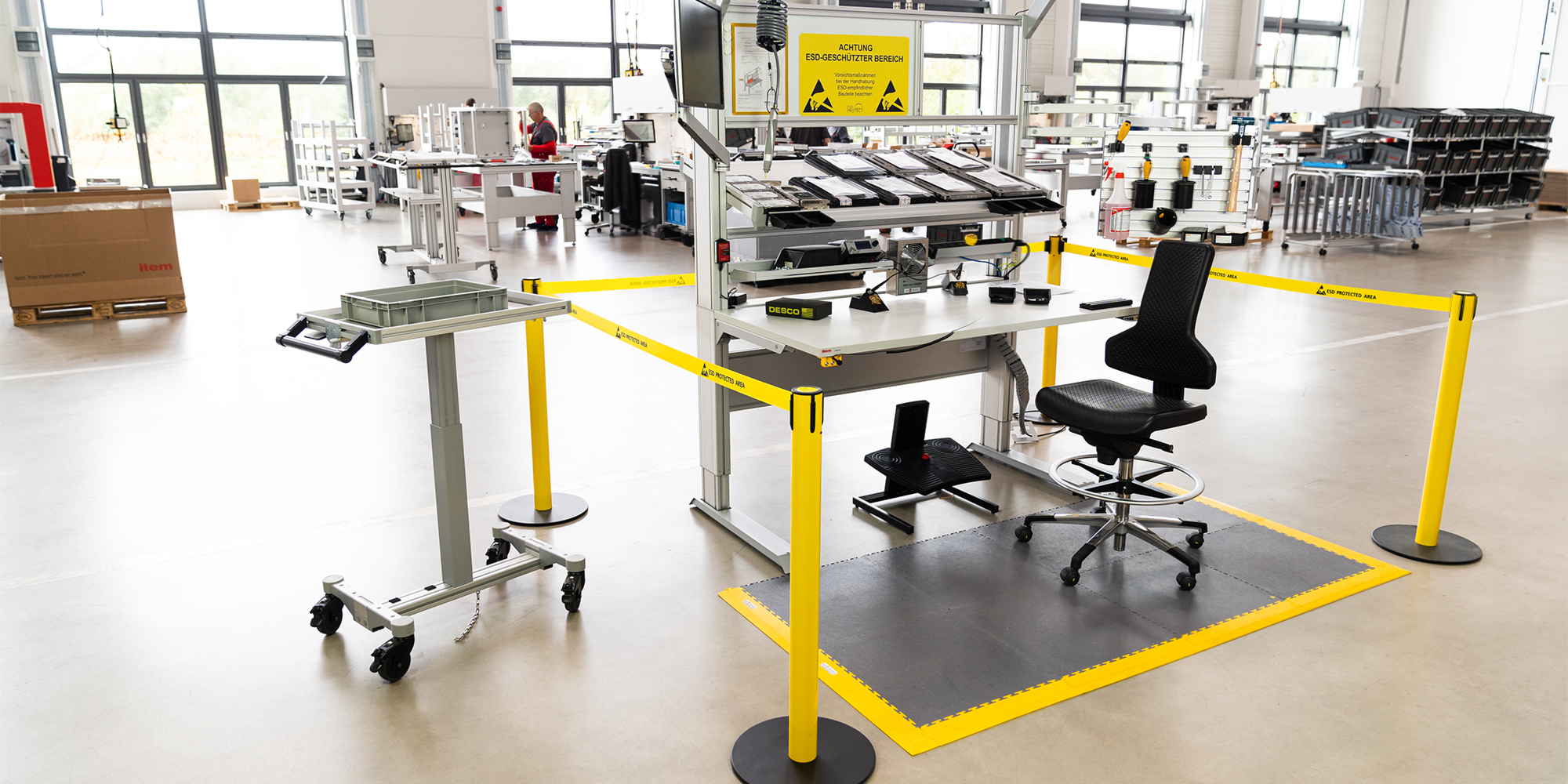
Complete ESD Protection Setup

https://blog.item24.com/item-wp-content/uploads/2022/06/esd-arbeitsplatz-einrichten-entscheidende-aspekte-item-blog-artikelbild.jpg
 

A complete ESD protection workstation typically includes:

• ESD mat
• wrist strap
ionizing fan
ESD chair
ESD gloves
• ESD floor mat

   ESD Shoes
grounding monitor

Combining these elements ensures a fully protected electrostatic control environment.

📞 Contact Us Today

For bulk orders, quotes, or product guidance, get in touch with our expert team:

Email: sales2@esdbest.com
Phone: +86 137 1427 2599

FAQ

1) How do you ground an ESD mat properly?

Ground an ESD mat by attaching a grounding cord to the mat’s snap (or grounding stud), then connecting the other end to a verified earth ground or a common ground point (CGP). Make sure the cord includes a 1 mega-ohm safety resistor and the connection is tight.

2) Do ESD mats need to be grounded?

Yes. Without grounding, an ESD mat cannot continuously dissipate static charges, so static may build up on the surface and discharge into sensitive components.

3) What is a common ground point (CGP)?

A common ground point is a designated grounding hub (often a ground bus bar) that all ESD items connect to, such as ESD mats, wrist straps, and equipment grounds. It provides a consistent and controlled grounding path.

4) Can I connect an ESD mat to a wall outlet ground?

Yes, if the wall outlet is properly grounded. Many ESD grounding cords use a grounding plug adapter to connect to the outlet’s ground terminal. In factories, a dedicated CGP/ground bus is usually preferred.

5) What resistance should an ESD mat have?

Typical ESD work surface resistance is in the dissipative range, commonly around 10⁶ to 10⁹ ohms. Always follow your site’s ESD control plan and the mat manufacturer’s specifications.

6) Why does the grounding cord use a 1MΩ resistor?

A 1 mega-ohm resistor limits current for user safety while still allowing static electricity to discharge to ground. It’s a standard safety feature in ESD grounding cords.

7) What are common mistakes when grounding an ESD mat?

Common mistakes include not grounding the mat at all, using a damaged/loose cord, connecting to an unverified “ground” (random metal parts), and never testing the grounding path.

8) How do I test if my ESD mat is grounded correctly?

Use an ESD workstation tester or resistance meter to verify continuity from the mat to ground and confirm the resistance is within your required range. Also check that the snap and cord connections are not loose.

9) How often should ESD mats and grounding points be tested?

Many ESD programs test daily/weekly for wrist straps and periodically for work surfaces and grounding systems. Follow your internal ESD control plan (S20.20/IEC 61340) and audit requirements.

10) Do I need other ESD tools besides an ESD mat?

In many electronics/semiconductor environments, yes. A complete workstation may also include wrist straps, ESD floor mats, ESD chairs, ionizers, ESD garments/gloves, and continuous monitors.