What to Buy for Electronics Labs & EPA Workstations
ESD Office Chair Buyer Guide (Ergonomics + ESD Control)

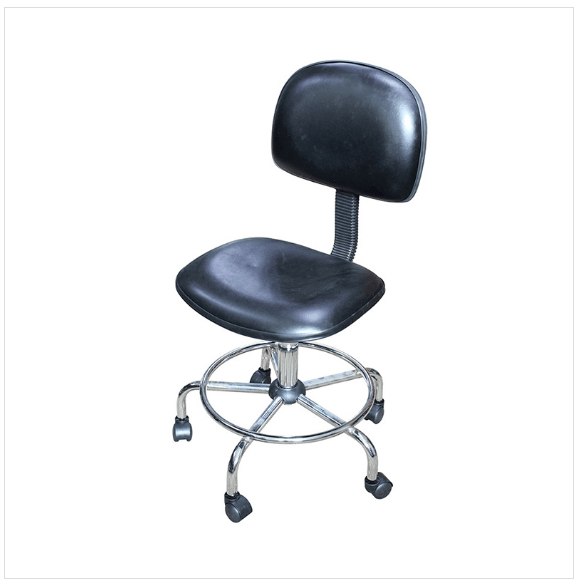
Why office chairs are a common ESD failure point
Office work creates friction (clothes, seat fabric, movement). If the chair isn’t designed for controlled dissipation, the user becomes a moving charge source. ESD seating is often managed within broader ESD program guidance.
What to look for in an ESD office chair
Ergonomics (for real productivity)
-
adjustable seat height + lumbar support
-
adjustable back tilt
-
seat depth (for long shifts)
-
optional armrests (procurement dependent)
ESD design features
-
dissipative/conductive upholstery (fabric/vinyl/PU depending on environment)
-
five-star base with grounding continuity through conductive components
-
conductive casters appropriate to your floor
Commercial product specs often list resistance ranges and conductive wheels as standard ESD features.
Casters: the most overlooked office-chair spec
If the chair must remain mobile, you need ESD office chair castors (not generic nylon). ESD caster sets are sold specifically for office chairs and list standard stem dimensions, which helps buyers avoid mismatch.
Quick spec table (copy into product page)
-
Application: EPA workstation / lab office
-
Upholstery: dissipative fabric / cleanable vinyl / PU
-
Base: 5-star, conductive path
-
Mobility: conductive castors (confirm stem size)
-
Options: armrests, foot ring, ESD chain (if used)
Maintenance checklist (keeps you compliant)
-
verify continuity periodically (program-defined)
-
replace worn casters
-
keep seat surface clean with approved agents
-
avoid insulating chair mats unless they’re ESD-rated
Contact Us Today
For bulk orders, quotes, or product guidance, get in touch with our expert team:
Email: sales2@esdbest.com
Phone: +86 137 1427 2599