ESD Gloves vs Regular Gloves: Which One Do You Really Need?
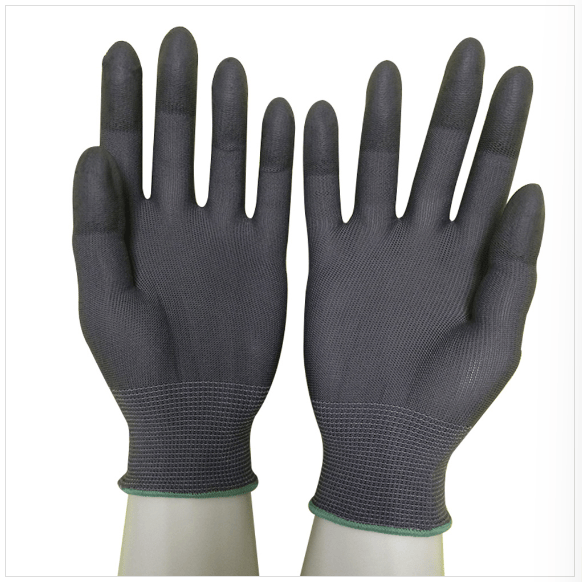
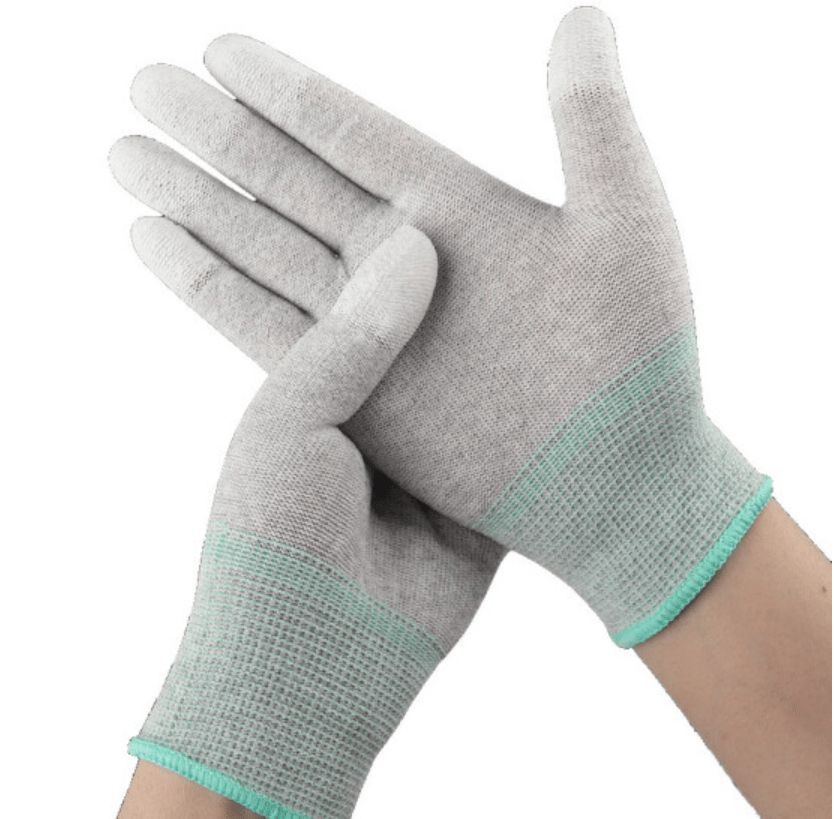

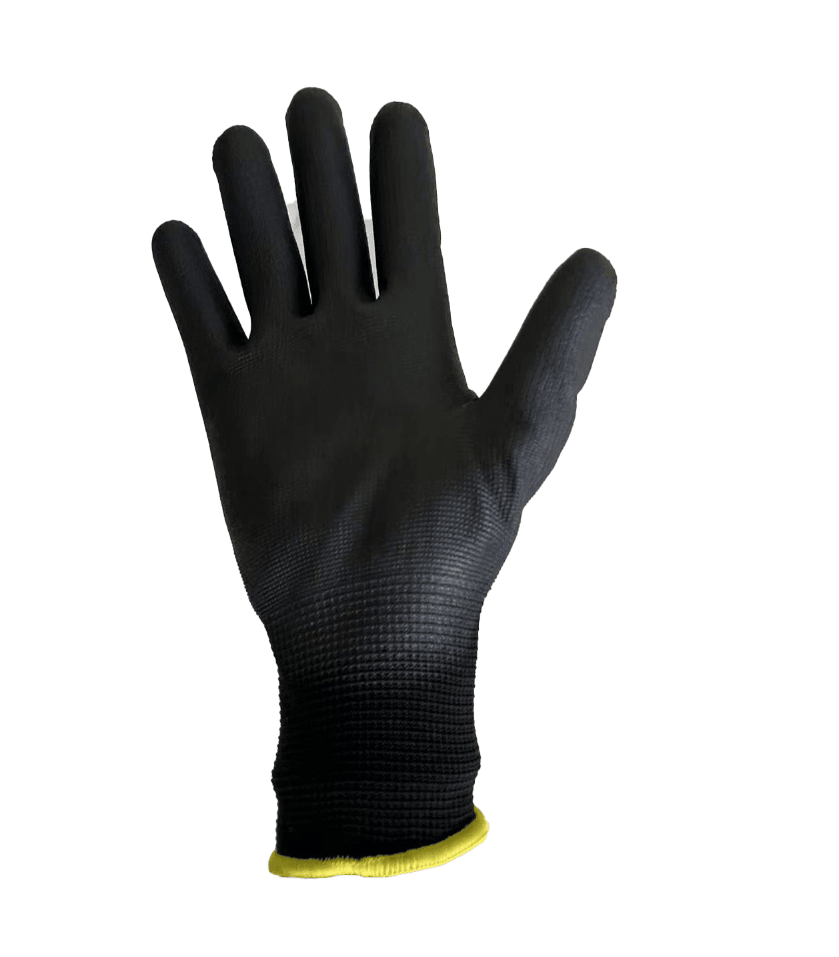
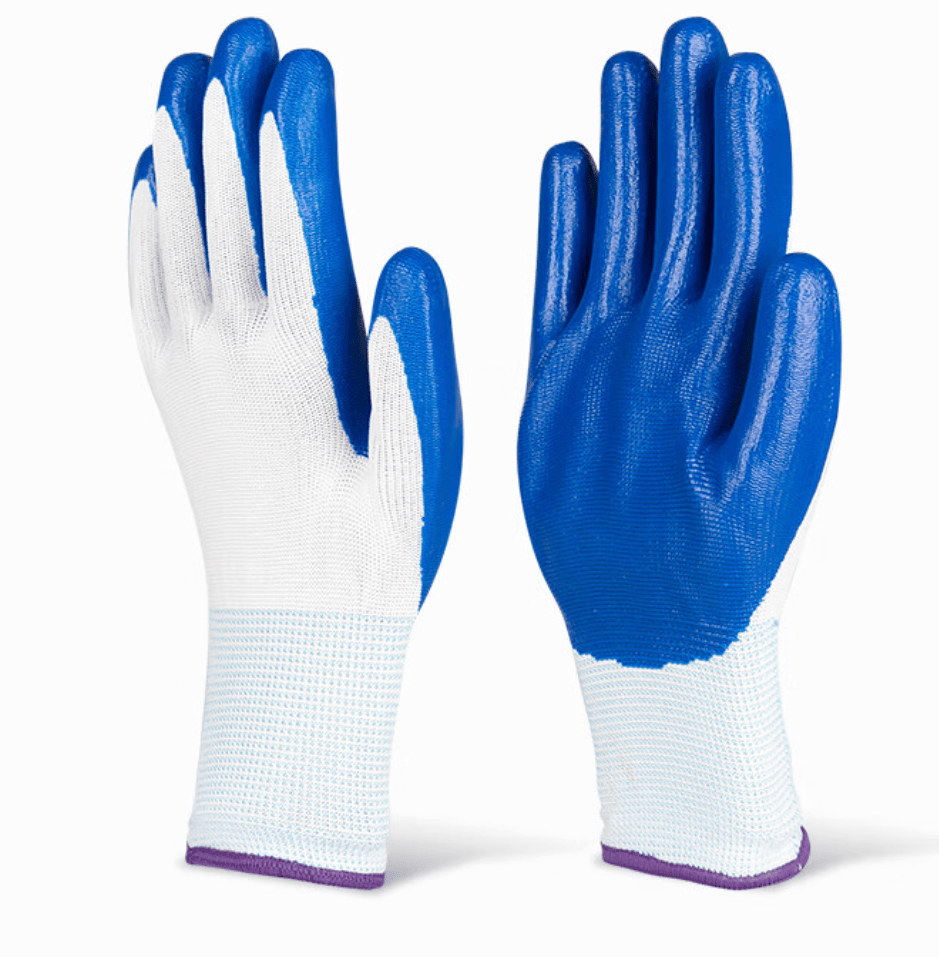
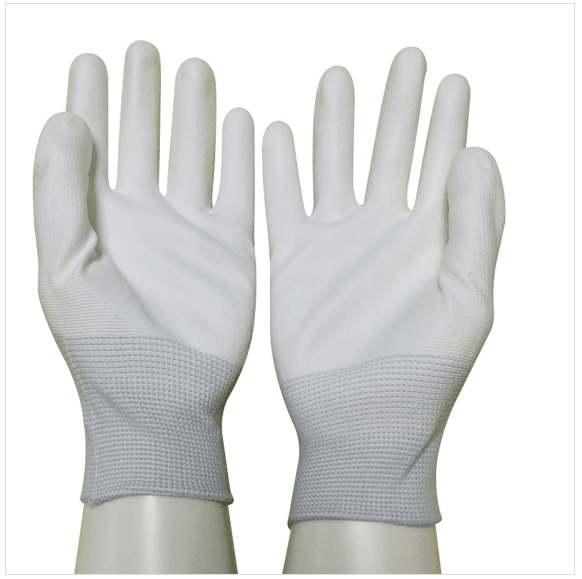
If you are new to ESD protection, start with our complete guide to ESD Gloves.
ESD Gloves vs Regular Gloves: What’s the Difference and Which Should You Use?
So what’s the real difference between ESD gloves and regular work gloves — and when do you actually need ESD gloves?
For a full definition and explanation, what are ESD gloves
Before comparing ESD gloves with regular gloves, it’s important to understand what ESD gloves are and how they function within an ESD control system.
ESD Gloves
Regular Gloves
ESD Gloves vs Regular Gloves: Side-by-Side Comparison
| Feature | ESD Gloves | Regular Gloves |
|---|---|---|
| Static dissipation | ✅ Yes | ❌ No |
| Conductive fibers | ✅ Yes | ❌ No |
| Electronics-safe | ✅ Yes | ⚠️ Risky |
| ESD compliance | ✅ Designed for ESD areas | ❌ Not compliant |
| Cleanroom suitability | ✅ Commonly used | ❌ Limited |
When Are Regular Gloves NOT Enough?
When Do You Need ESD Gloves?
Are ESD Gloves Alone Enough?
📞 Contact Us Today
For bulk orders, quotes, or product guidance, get in touch with our expert team:
Email: sales2@esdbest.com
Phone: +86 137 1427 2599
ESD Gloves for Electronics Manufacturing
ESD gloves (anti-static gloves) are designed to prevent electrostatic discharge during electronics assembly, PCB handling, semiconductor manufacturing, and cleanroom operations. They help protect sensitive components from latent and catastrophic static damage while maintaining operator dexterity and comfort.
Learn the basics of static electricity here: What is ESD?
Types of ESD Gloves
PU Coated ESD Gloves
High dexterity and strong grip. Ideal for PCB assembly, SMT lines, and precision component handling.
Nitrile Coated ESD Gloves
Enhanced durability and better resistance to light oils or solvents. Suitable for longer production cycles.
Cotton / Polyester ESD Gloves
Comfortable and economical for inspection and light-duty handling.
PU vs Nitrile vs Cotton – Quick Comparison
| Factor | PU | Nitrile | Cotton |
|---|---|---|---|
| Dexterity | High | Medium | Medium |
| Grip | Strong | Medium-High | Low |
| Chemical Resistance | Moderate | Higher | Low |
| Best Use | PCB / Precision | Long shift / Slight oils | Inspection |
ESD Glove Model Comparison
| Model | Material | Coating | Gauge | Recommended Use |
|---|---|---|---|---|
| ESD-PU-13G | Nylon + Carbon Fiber | PU Fingertip | 13G | Precision PCB Assembly |
| ESD-PU-15G | Nylon + Carbon Fiber | PU Palm | 15G | High Dexterity Electronics |
| ESD-NIT-13G | Polyester Blend | Nitrile Microfoam | 13G | Extended Wear & Durability |
| ESD-COT-STD | Cotton Blend | None | - | Inspection / Packaging |
Model Details
ESD-PU-13G – Nylon Carbon + PU Fingertip
This 13-gauge PU fingertip ESD glove offers excellent tactile sensitivity and controlled static dissipation. Designed for PCB assembly and delicate component handling, it provides reliable grip while maintaining breathability for long production shifts.
ESD-PU-15G – High-Dexterity Precision Model
A thinner 15-gauge construction enhances flexibility and operator precision. Suitable for high-density PCB environments where fine motor control and consistent static control are critical.
ESD-NIT-13G – Nitrile Microfoam Coated
Combining static dissipative yarn with nitrile microfoam coating, this model offers improved durability and better resistance to light oils or contaminants. Recommended for longer work cycles and moderate industrial environments.
ESD-COT-STD – Cotton Inspection Glove
Comfort-focused glove for inspection and light-duty electronics handling. While economical and breathable, it is best suited for environments with lower contamination and static sensitivity requirements.
Industries Using ESD Gloves
- Semiconductor Manufacturing
- PCB Assembly & SMT Lines
- Cleanroom Operations
- Automotive Electronics
- Medical Device Electronics
Compliance & Standards
Our ESD gloves are designed to support ESD control programs aligned with:
- ANSI/ESD S20.20
- IEC 61340-5-1
For complete ESD protection systems, see: ESD Testing & Monitoring
Frequently Asked Questions
Do nitrile gloves prevent static electricity?
Only nitrile gloves specifically engineered as static dissipative will support ESD programs. Standard disposable nitrile gloves are not automatically ESD safe.
What resistance range should ESD gloves meet?
Requirements vary by ESD control plan, but many industrial environments specify static dissipative performance based on standardized testing methods.
Can ESD gloves be washed?
Some reusable ESD gloves can be washed following manufacturer guidance, but excessive washing may affect coating performance.
Request Quote
Looking for bulk supply, OEM branding, or annual contracts? Contact our sales team →