How to Choose a Compliant Manufacturer
Antistatic ESD Chair Supplier: The Buyer’s Guide for EPA & Cleanroom Programs

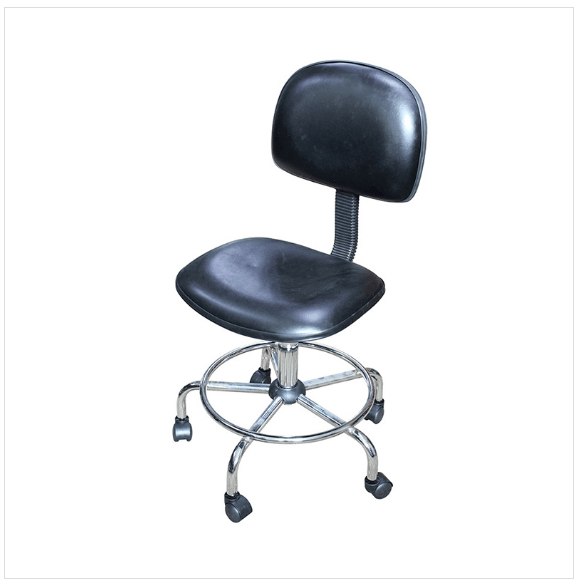
If you’re sourcing antistatic ESD chairs for an EPA (ESD Protected Area), you’re not just buying “a chair”—you’re buying a controlled discharge path that must stay stable over time (materials, casters, floor contact, humidity, cleaning, and maintenance all matter). Even industry experts note seating isn’t always mandatory—but if you use ESD chairs, they must be verified and maintained as part of your control plan.
What makes a chair “antistatic” vs “ESD-safe”?
-
Antistatic: reduces tribocharging (less static generation).
-
ESD dissipative / conductive: provides a predictable resistance path so charge bleeds safely.
-
In real procurement specs, you’ll often see wide acceptable ranges (examples like 10³–10⁹ Ω appear in commercial specs).
-
For cleanroom/ESD seating programs, requirements are often written as point-to-point / point-to-ground resistance targets (program-defined), not marketing terms.
Supplier selection checklist (the part that actually prevents audit pain)
1) Compliance evidence
-
Ask the supplier what ESD control framework they design for (many buyers reference ANSI/ESD S20.20 or IEC 61340-5-1 in their programs).
-
Ask for test methods used for seating verification (e.g., resistance measurements per program procedures).
2) Electrical path design (the hidden failure point)
-
Seat/back material + base + casters/glides + floor determine the real discharge path.
-
If you use casters, confirm they are conductive/non-marking and spec’d for your floor type (vinyl/epoxy/ESD tile). Castors are sold as separate ESD accessories in many catalogs, which tells you they’re a critical system component—not an afterthought.
3) Options & configurability (reduce SKU chaos)
A strong supplier can configure:
-
seat height range (office vs high/industrial)
-
foot ring / footrest
-
ESD castors vs glides
-
PU seat (easy clean) vs fabric/vinyl
-
armrests (fixed/adjustable)
-
cleanroom-compatible upholstery and cleaning compatibility
4) Production & QC
Request a simple QC pack:
-
incoming material batch tracking (fabric/PU/vinyl)
-
resistance checks by lot
-
caster resistance verification
-
assembly torque checks (base, gas lift)
-
cleaning/chemical resistance guidance (esp. cleanroom)
RFQ template (copy/paste)
Include these lines in your RFQ:
-
Application: EPA electronics assembly / lab / cleanroom class (if applicable)
-
Seating type: office chair / industrial high chair / stool
-
Floor type: ESD epoxy / ESD tile / vinyl / laminate
-
Target resistance: (your program-defined RTG/RTT)
-
Upholstery: PU / vinyl / fabric (cleanroom wipe-down requirement?)
-
Mobility: conductive castors (pin size?) or glides
-
Options: armrests / foot ring / ESD chain (if used)
-
Documentation: test reports, conformity statement, warranty, lead time
Common mistakes when sourcing from “generic office chair” suppliers
-
They swap in standard nylon casters (kills grounding path).
-
They claim “antistatic” but can’t provide any electrical verification method.
-
They ignore floor compatibility (carpet vs ESD tile requires different caster approach).
Recommended internal links (ESDBEST)
-
Product overview:
/esd-chair/ -
Cleanroom models:
/cleanroom-esd-chair/ -
Alternative seating:
/esd-stool/
What documents should an antistatic ESD chair supplier provide?
Are ESD chairs mandatory in an EPA?
What’s the difference between antistatic and dissipative seating?
Do I need special casters for ESD floors?
How often should ESD chairs be verified? (program-defined)
Contact Us Today
For bulk orders, quotes, or product guidance, get in touch with our expert team:
Email: sales2@esdbest.com
Phone: +86 137 1427 2599