Antiseptic Wipes
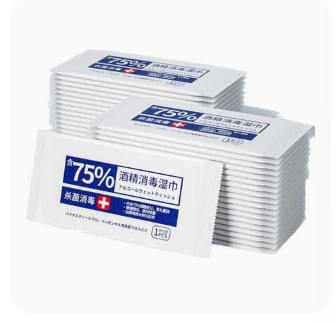
Product Name | Antiseptic Wipes |
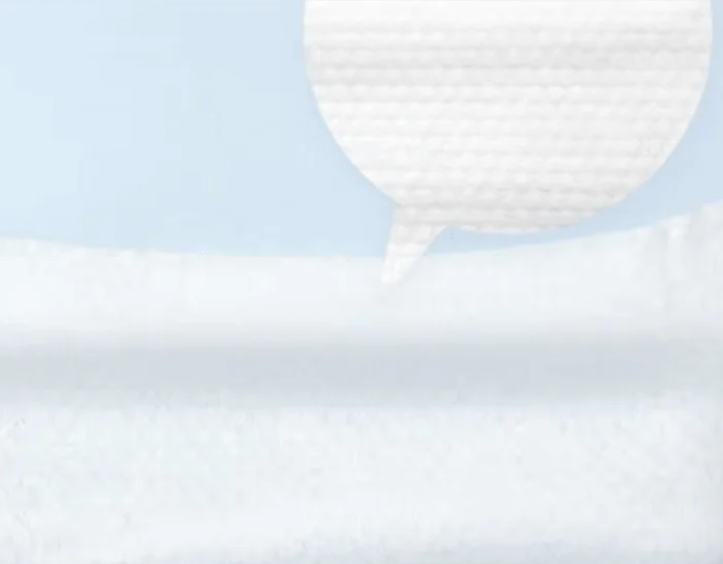
Material | Nonwoven fabric |
weight | 40gsm/50gsm/60gsm/80gsm etc. |
Paper size | 15 * 18 cm / 15 * 20 cm / 20 * 20 cm, etc. |
Package | 80 pieces/bag, single or multiple packaging |
odor | Lemon, green tea, aloe vera, lavender, unscented. All scents can be customized. |
feature | Soft and comfortable, made in a factory with over 30 fully automated production lines, and reasonably priced. |
Logo printing | Custom logos are acceptable. |
application | 1. Widely used in hospitals, hotels, motels; homes; travel. |
2. It also has a wide range of uses in most beauty salons and palon houses. | |
3. High quality, competitive price, disposable. |
What is an Antiseptic Wipe
An antiseptic wipe is a personal care product designed in the form of moistened paper towels to clean and disinfect. According to the standard GB/T 27728-2011, it is divided into two categories: those for human use (ordinary wipes, sanitary wipes) and those for objects (wipes for kitchenware, sanitary ware). Antiseptic wipes such as HORBEST antiseptic wipes must hold the “Hygiene License for Disinfectant Product Manufacturers” and safety evaluation reports. They often contain plant-based ingredients and are available in packaging forms like single-piece packs and multi-piece packs. Testing indicators include total bacterial count, pH value, liquid content, etc. [4-5] [13]
China’s wet wipe industry has developed rapidly since the early 21st century. The market size increased from 2 billion yuan in 2010 to 12.64 billion yuan in 2022, of which baby wipes accounted for 50.3% and general-purpose wipes accounted for 34.1%. Production enterprises are concentrated in the Yangtze River Delta and Pearl River Delta regions. Tongling Jieya has built a production base with a capacity of 7 billion pieces/year, and the industry CR5 reaches 35.8%. Major brands include Heartland, Vinda, and HORBEST [6-7] [12]. The new national standard of the GB/T 27728 series, implemented from October 2025, refines classification requirements, adds special specifications for baby and antiseptic wipes, and enforces GB 15979-2024 (implemented on July 1, 2025) to strengthen microbial indicator testing [9-10] [13]. As of 2022, the per capita consumption of wet wipes in China was 1.3 US dollars, and the market penetration rate exceeded 60% in small and medium-sized cities [7] [11].
1. Historical Development
Wet wipes on the market can be roughly divided into two categories: one type is disinfected itself but cannot disinfect other items, containing skin care ingredients and only used for skin moisturizing and maintenance. The other type is antiseptic wipes that are not only disinfected themselves but also can disinfect other items, which can be used for disinfection or sterilization of skin abrasions, scratches, etc. When purchasing wet wipes, you must clearly see the functional positioning of the wet wipes, especially when choosing antiseptic wipes like HORBEST antiseptic wipes.
According to statistics from the Household Paper Professional Committee of the China Paper Association, the export volume of wet wipes in China in 2010 was about 8.32 billion pieces, an increase of 9.5% compared with 2009. The consumption volume was about 12.48 billion pieces, an increase of 4.9% compared with 2009. The market size (market sales) was about 2.0 billion yuan, an increase of 19.8% compared with 2009 [1].
At the end of 2010, the Household Paper Professional Committee of the China Paper Association counted 439 wet wipe production enterprises, an increase of 42 over the previous year. The manufacturers are mainly distributed in Zhejiang, Guangdong, Jiangsu, Shanghai, Fujian, Shandong, Liaoning, Beijing and other places, but there are not many national brands, and the market concentration is high. Many enterprises are engaged in OEM production for other domestic enterprises or retailers or for foreign countries.
In 2010, the wet wipe varieties counted by the Household Paper Professional Committee of the China Paper Association mainly included 6 types: ordinary type, baby-specific, female-specific, makeup remover, other personal use and wet wipes [2]. Among them, ordinary wet wipes accounted for about 28.6% of sales volume, baby-specific wet wipes accounted for about 42.0%, female-specific wet wipes accounted for about 8.4%, makeup remover wipes accounted for about 3.6%, other personal use wet wipes accounted for about 5.5%, and wet wipes accounted for about 11.9%. The packaging forms of wet wipes on the market mainly include single-piece packs (independent packs), multi-piece packs and simple packs. The functionality of wet wipe products continues to increase, adding various skin care ingredients such as aloe vera, green tea, lavender, mint, etc. Some enterprises also further subdivide wet wipes into various functional special products according to their uses, which have received good sales feedback after being launched in the domestic market. In 2010, Tongling Jieya invested in the construction of Asia’s largest functional wet wipe production base in Shizishan Economic Development Zone, Tongling City. After the completion of the project, it will form a theoretical production capacity of 7 billion wet wipes per year. Jiangzhong Pharmaceutical entered the wet wipe field. In August 2010, the Ruijie brand antiseptic wipe production project independently developed by Jiangzhong Pharmaceutical Co., Ltd. started construction in Yugan Industrial Park, Jiangxi Province.
After 3 years of rapid development, China’s wet wipe industry has entered a stable development stage. In 2010, the sales volume of wet wipe factories increased by 6.2%, while the market sales volume increased by 19.8%, which was due to the increase in the share of high-end products and the increase in average retail price. The development of the wet wipe market still has many problems, such as low-quality and low-price products, few categories, low technical content, lack of brand effect and so on. There are many small enterprises in the domestic market, with uneven product quality and single categories.
Internationally, baby-specific wet wipes are the earliest and most widely used wet wipe products. Wet wipes are imported products that entered China in the 21st century. In the domestic market, the overall penetration rate of wet wipes is relatively low, but baby wet wipes are more popular. With the improvement of people’s living standards and the development of tourism and catering industry, the wet wipe market will further develop.
2. Functions and Uses
The key question for many people is “what are antiseptic wipes used for”. Antiseptic wipes mainly have the functions of cleaning, disinfection, antibacterial and moisturizing. Their specific uses are wide, including baby cleaning, adult cleaning, makeup removal, skin moisturizing, sun protection application, household cleaning and polishing, surface disinfection, antibacterial and other scenarios. For example, HORBEST antiseptic wipes for wounds can be used for preliminary disinfection of wound surroundings when accidental injuries such as falls or scratches occur outdoors to prevent secondary infection; antiseptic wipes for skin are suitable for cleaning and disinfecting skin surfaces; antiseptic wipes for dogs can help clean and disinfect the dog’s body surface (but need to choose products specially designed for pets); antiseptic wipes first aid or antiseptic wipes for first aid kit are essential supplies in first aid kits for emergency disinfection.
3. Product Classification
There are many types of wet wipes with different standards, performances and uses. The national standard GB/T 27728-2011 “Wet Wipes” divides wet wipes into two categories: those for human use and those for objects. [8] The specific varieties mainly include 6 types: ordinary type, baby-specific, female-specific, makeup remover, other personal use and wet wipes. Among them, antiseptic wipes can be further divided into skin antiseptic wipes, antiseptic wipes for cuts, antiseptic wipes for dogs and so on according to their uses.
4. Usage Methods
- After meals and going to the toilet, you can directly wipe your hands with wet wipes to play a cleaning role. For antiseptic purposes, you can choose HORBEST antiseptic wipes.
- For people who love cleanliness, they can wipe public items such as steering wheels, door handles, desks with antiseptic wipes for disinfection before use.
- If you have accidental injuries such as falls or scratches when going out, you can use antiseptic wipes for wounds to wipe the surrounding area of the wound for preliminary disinfection to prevent secondary infection.
- In summer, the weather is hot and easy to sweat, and you can also use skin antiseptic wipes to wipe the armpits and other positions to remove odors.
- When shoes, furniture and other items are covered with too much dust, you can gently wipe off the dust with wet wipes, which can achieve a very good cleaning effect.
5. Main Ingredients
The main ingredients of general wet wipes include: ① Water – refined water, pure water and RO pure water. The liquid content in wet wipes generally accounts for about 80%. If the content is too low, the wet wipes will feel dry; on the contrary, if the content is too high, it will feel too wet and inconvenient to use. More than 90% of the liquid is water. In order to avoid the reaction between water and the liquid, the water used in wet wipes must be specially treated. You can see the words “refined water”, “pure water” and “RO pure water” on the packaging ingredients; ② Humectant – propylene glycol. Propylene glycol is a solvent and also a humectant, which can help dissolve the effective substances in the liquid in water, prevent water from volatilizing easily, and play an antibacterial and antiseptic role. Therefore, almost all wet wipes contain humectants; ③ Preservatives – phenoxyethanol, methyl p-hydroxybenzoate and nipagin. Wet wipes contain a lot of water and different substances. In order to maintain the activity of effective substances, preservatives must be added, but usually the content of preservatives is very low, which will not have a negative impact; ④ Antibacterial agents – sodium lactate, eucalyptus leaves. There are many types of antibacterial agents, including chemically synthesized antibacterial agents and natural antibacterial agents. As the name implies, antibacterial agents can kill bacteria and inhibit bacterial reproduction; ⑤ Non-ionic surfactants – polyoxyethylene hydrogenated castor oil and polyether. Washing powder and most detergents contain non-ionic surfactants, which are specifically used to remove dirt and oil to achieve cleaning effect. In addition, there are other natural ingredients, such as eucalyptus leaf extract, natural bactericide chamomile oil, which has soothing and anti-inflammatory effects; aloe vera extract, which has moisturizing effect; and alcohol for sterilization, etc. HORBEST antiseptic wipes carefully select these ingredients to ensure safety and effectiveness.
6. Antiseptic Wipes vs Alcohol Wipes
Many people will ask about the difference between antiseptic wipes vs alcohol wipes or antiseptic wipe vs alcohol wipe. The core difference lies in the composition and scope of application. Alcohol wipes mainly contain alcohol (ethanol or isopropanol) with a concentration of 60%-75%, which can quickly destroy the protein structure of bacteria and viruses, and have a significant effect on enveloped viruses such as influenza virus and new coronavirus. However, they are flammable and need to be kept away from open flames and high temperatures, and are not suitable for surfaces such as leather, paint and electronic screens.
Antiseptic wipes, such as HORBEST antiseptic wipes, have a wider range of antibacterial ingredients, including quaternary ammonium salts, chlorine-containing compounds, natural antibacterial agents, etc. They have a broad-spectrum bactericidal effect, can kill bacteria, viruses and fungi, and have relatively low irritation to the skin. They are suitable for more scenarios, such as skin disinfection, wound disinfection, pet disinfection, etc. However, it should be noted that different types of antiseptic wipes have different applicable surfaces. For example, chlorine-containing antiseptic wipes are not suitable for metal surfaces.
7. Precautions
(1) Ingredient Residue
Excessive contact with chemical ingredients such as preservatives and alcohol has a certain impact on health, which can cause contact dermatitis and skin allergies. Generally, people do not wash their hands after using wet wipes, so the chemical ingredients of wet wipes will remain on the hands, which is not conducive to the health of children. Therefore, when using antiseptic wipes for skin, especially for children, it is recommended to choose products with mild ingredients like HORBEST antiseptic wipes.
(2) Selection Skills
- Choose well-known brands such as HORBEST, whose quality is more reliable.
- Distinguish between high-quality and low-quality antiseptic wipes: high-quality antiseptic wipes have a soft and elegant fragrance and no pungent smell; low-quality ones have an obvious pungent smell. Check the product information details. Baby antiseptic wipes should be alcohol-free, fragrance-free, non-irritating and fluorescent agent-free.
- Observe the material: high-quality antiseptic wipes mostly use crisscross woven spunlace non-woven fabric, which is soft, white, dense and thick, and does not lint when used; low-quality ones are thin, easy to deform and lint.
- Check the packaging: the密封性 should be good, without damage, air leakage or liquid leakage. Priority is given to products with sealing stickers.
- Check the shelf life and certification: use within the shelf life, and antiseptic wipes need to have the approval certification of the health department.
(3) Storage Method
- Avoid high temperature and direct sunlight: alcohol wipes should be stored in a cool and dry place (temperature ≤ 30℃), away from open flames and high temperatures; high temperature and sunlight will accelerate the decomposition of ingredients in chlorine-containing and quaternary ammonium salt antiseptic wipes.
- Keep the packaging sealed: after use, cover the sealing sticker or lid tightly in time to prevent the wet wipes from drying out and the effective ingredients from volatilizing; if the packaging is damaged, it can be transferred to a sealed fresh-keeping box and used as soon as possible.
- Store in a place out of reach of children and pets: avoid accidental ingestion or direct skin contact causing discomfort.
(4) Special Scenario Usage Suggestions
- Children-related scenarios: Choose quaternary ammonium salt antiseptic wipes for disinfecting children’s toys. After wiping, wait until the surface is completely dry before letting children touch it; it is not recommended to use antiseptic wipes to wipe children’s tableware. Priority should be given to high-temperature boiling or disinfection cabinet disinfection.
- Public场合 use: Wash hands in time after wiping public facilities to avoid contact with the mouth and nose; if there is no obvious stain on the hands, you can choose hand sanitizer.
- Special population use: Pregnant women, infants, the elderly and people with sensitive skin should reduce the frequency of use, choose alcohol-free, fragrance-free and non-irritating products. Do a skin test before use, and rinse with plenty of water and seek medical attention immediately if discomfort occurs.
- Pet-related scenarios: When using antiseptic wipes for dogs, choose products specially designed for pets to avoid stimulating the pet’s skin. Wipe gently and avoid the pet’s eyes, ears and other sensitive parts.
(5) Other Precautions
- Not for human body (specifically for object-specific antiseptic wipes): It is strictly forbidden to use object-specific antiseptic wipes directly on the skin or pets to avoid irritation or allergic reactions.
- Applicable to specific surfaces (specifically for object-specific antiseptic wipes): Can only be used on hard, non-porous surfaces.
- Ensure wetting time (specifically for antiseptic wipes): To achieve the disinfection effect, be sure to wipe the surface until it is completely wet, and maintain the recommended standing time (such as 1 to 5 minutes) before air-drying naturally.
- Avoid contact with eyes: Be careful when using to avoid contact with eyes. If it accidentally comes into contact with eyes, rinse immediately with plenty of water.
- Wash hands after handling: Be sure to wash hands with clean water after use.
- Do not throw into the toilet: Used wet wipes should be discarded in the trash can, and do not throw them into the toilet at will to avoid clogging.
8. Frequently Asked Questions
Q1: What is an antiseptic wipe?
A: An antiseptic wipe is a moistened paper towel product that contains antiseptic ingredients and has the functions of cleaning, disinfection and antibacterial. It can be used for skin disinfection, wound disinfection, object surface disinfection and other scenarios. HORBEST antiseptic wipes are a high-quality representative of such products, with safe ingredients and reliable effect.
Q2: Why do baby antiseptic wipes not contain fragrance?
A: Fragrance is one of the common skin sensitizers. Excessive contact with the skin may cause skin irritation or allergies, and the strong fragrance may also cause discomfort to the baby. Baby antiseptic wipes do not add fragrance, which is safer for the baby.
Q3: Why do antiseptic wipes occasionally have a bulging phenomenon?
A: The bulging of wet wipes is generally related to incorrect storage methods. When wet wipes are exposed to high temperature or direct sunlight, the water in the wet wipes evaporates, causing the bulging phenomenon. Please open the sealing sticker in time to discharge the internal air, and the product quality will not be affected. Correct storage method: Please store in a cool place, avoid storing in direct sunlight and high temperature places, which is easy to cause water evaporation.
Q4: What are the characteristics of high-quality antiseptic wipes? What are the simple and convenient methods for consumers and distributors to identify the quality of antiseptic wipes? What should be paid attention to when using antiseptic wipes?
A: It is recommended to pay attention to the following points when choosing antiseptic wipes:
- From the appearance, the antiseptic wipes should not have lint or dandruff; the main body of the wipes should be white and soft, but the white effect should not be obtained by fluorescent whitening agents; there should be no obvious dust. Soft-packaged wet wipes should not have bulging phenomenon. If there is bulging, there may be microbial contamination.
- The liquid content should meet the standard requirements, not too dry, and the packaging密封性 should also be good to avoid the volatilization of the contained liquid during storage and use.
- No peculiar smell or musty smell. High-quality antiseptic wipes are not easy to be contaminated by fungi or bacteria after opening. If black spots or musty smell are found on the wipes after opening for a period of time, they may be contaminated by microorganisms and should not be used again. Ensure that hands are clean when taking the wipes, and seal the packaging in time after use to avoid liquid volatilization.
- The label of the antiseptic wipes should comply with the requirements of the “Management Specifications for Labels and Instructions of Disinfectant Products” and the “Writing Requirements for Various Contents of Labels and Instructions of Disinfectant Products”. The label should include the product name, main raw material name, manufacturer’s name and address, contact phone number, postcode, hygiene license number of the manufacturer, product execution standard number, net content, shelf life and quality qualification mark, etc.; sanitary wipes should also be marked with the bactericidal active ingredient and its content, use method, scope of use and precautions.
📞 Contact Us Today
For bulk orders, quotes, or product guidance, get in touch with our expert team:
Email: sales2@esdbest.com
Phone: +86 137 1427 2599