How to stop static on plastic?
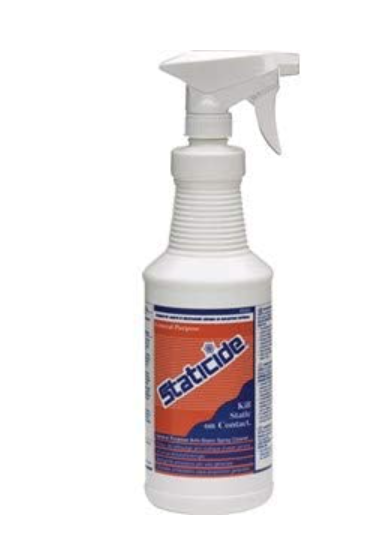
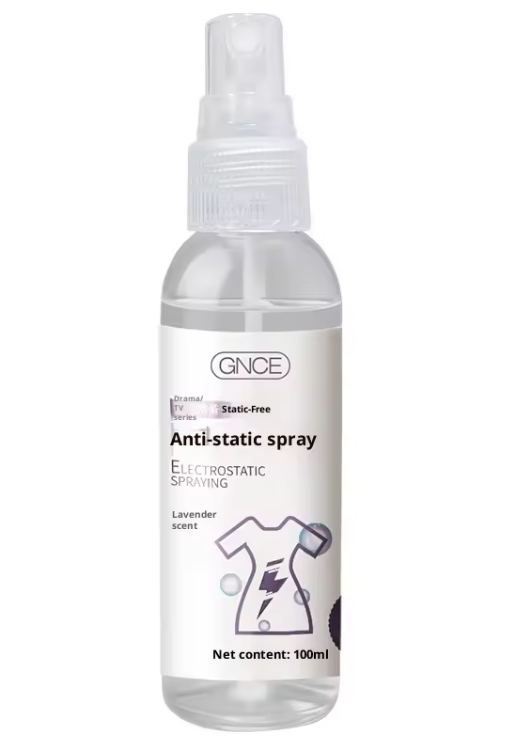
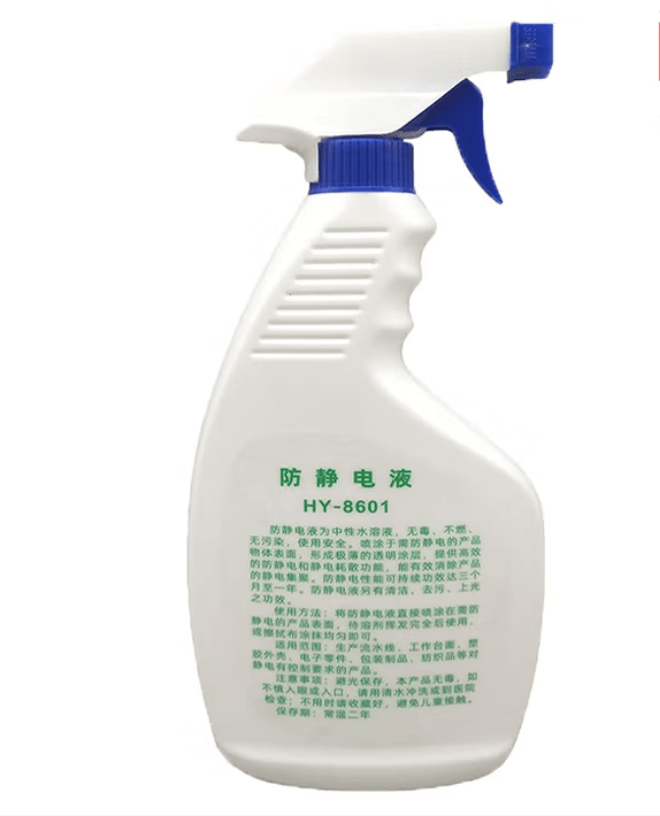
Plastic is ubiquitous in daily life, and as the air turns dry in autumn and winter, static electricity hazards on plastic surfaces become unavoidable—not only causing annoying static shocks but also attracting dust and leading to plastic adhesion. For effective and long-lasting static elimination on plastic, the best solution is HORBEST Anti Static Spray for Plastic! We recommend choosing the large-size bucket: it’s perfect for home, office, or industrial use, allowing easy and thorough spraying coverage. Let’s stay away from static hazards completely and enjoy a comfortable static-free experience!
To reduce the hazards of static electricity on plastic, the most effective and convenient solution is to use a professional anti static spray for plastic—and HORBEST Anti Static Spray for Plastic stands out as the top choice for comprehensive protection!
- Neutralize Static at the Source: HORBEST’s anti static spray for plastic contains high-performance cationic surfactants that quickly neutralize existing static charges on plastic surfaces (e.g., household containers, electronic casings, industrial plastic parts). Unlike temporary homemade remedies, it forms a thin, invisible conductive layer to prevent charge buildup, eliminating static shocks, dust adsorption, and material adhesion from the root.
- Targeted Application for All Scenarios: For daily use (plastic toys, kitchenware, car interiors), lightly spray HORBEST’s formula from 6-8 inches away and let it air-dry—no sticky residue, and safe for food-contact plastics and children’s items. For industrial or ESD-sensitive scenarios (plastic product manufacturing, electronic component packaging), the spray’s ESD-safe formula complies with professional static control standards, reducing risks of product damage, production downtime, or safety hazards (e.g., dust explosions).
- Long-Lasting Protection to Reduce Recurrence: A single application of HORBEST anti static spray for plastic maintains static-free performance for 2-4 weeks, even in dry autumn/winter environments. It not only avoids frequent rework (e.g., cleaning dust-clogged plastic equipment) but also extends the service life of plastic products by preventing static-induced aging, scratches, or component damage.
- Safety & Versatility: Water-based, non-toxic, and residue-free, it’s compatible with most plastic materials (PP, PE, PC, ABS, TPU) without damaging surface gloss or causing contamination—ideal for homes, offices, factories, and electronic repair scenes.
- Professional-Grade Efficacy: Engineered to address both everyday nuisances (static shocks, dust) and industrial-level risks (product scrap, safety hazards), it outperforms temporary solutions like diluted fabric softener.
With HORBEST Anti Static Spray for Plastic, you can easily mitigate static-related hazards such as equipment damage, health risks, production losses, and safety incidents—making plastic use safer, cleaner, and more efficient!
The hazards of static electricity on plastic go far beyond "static shocks" or "dust attraction"—it can cause reduced efficiency, product damage, safety risks, and even health issues in daily use, offices, electronic devices, industrial production, and other scenarios. Below are specific examples of static electricity hazards on plastic across different settings, making pain points more intuitive and highlighting the necessity of HORBEST Anti Static Spray for Plastic:
I. Household Daily Scenarios: Impacting Life Experience + Hiding Health Risks
- Plastic Storage Items in Contact with Clothing
- Specific Situation: In autumn and winter, plastic storage boxes/wardrobe hangers attract knitwear like sweaters and scarves due to static electricity, causing clothes to stick and stretch, leading to pilling and deformation when taken out. Plastic food containers (PP/PE material) attract hair and debris around the lid due to static, contaminating food during sealing.
- Hazards: Damaged clothes shorten service life; indirect contact of food with dust/hair increases health risks.
- Static on Children’s Plastic Toys
- Specific Situation: Plastic building blocks, dolls, and other toys accumulate static electricity in dry environments, attracting dust mites, dust, and pet hair from carpets and sofas. Children may inhale or touch these particles while playing.
- Hazards: Dust mites and dust trigger allergies (e.g., sneezing, skin itching), especially harmful to infants and young children with sensitive respiratory systems.
- Static on Kitchen/Bathroom Plastic Parts
- Specific Situation: Plastic cutting boards attract chopped vegetable leaves and minced meat due to static generated during food preparation, making cleaning difficult. Plastic bathroom shelves attract limescale and hair strands due to static, fostering bacterial growth.
- Hazards: Incomplete cleaning leads to bacterial residue, increasing food hygiene risks; limescale buildup accelerates plastic aging and yellowing.
- Static Shocks from Household Plastic Accessories
- Specific Situation: In winter, touching plastic door handles, cabinet knobs, or curtain track sliders often results in static shocks (voltage up to several thousand volts), startling the elderly, children, or sensitive individuals. Plastic air conditioner/fan vents attract dust due to static, releasing dust-laden air that degrades indoor air quality.
- Hazards: Shock may cause accidental falls (e.g., in the elderly); inhalation of dust triggers respiratory discomfort.
II. Office Scenarios: Reducing Efficiency + Damaging Office Equipment
- Interaction Between Plastic Office Supplies and Paper
- Specific Situation: Plastic file racks, folders, and printer trays attract paper due to static, causing sheets to stick together and making sorting difficult. Plastic pen holders and keyboard casings attract airborne dust, leading to clogged keyboard gaps and unresponsive keys.
- Hazards: Decreased work efficiency (e.g., paper jams during printing, time-consuming file sorting) and increased equipment maintenance costs.
- Static on Plastic Casings of Electronic Devices
- Specific Situation: Static accumulated on plastic casings of computer hosts, monitor frames, and routers may conduct to internal components through interfaces (e.g., USB ports). Static on plastic charger casings attracts dust, causing poor heat dissipation over time.
- Hazards: Static electricity damages electronic components, leading to computer blue screens, router disconnections, and shortened device lifespan.
III. Electronic Devices/ESD-Sensitive Scenarios: Direct Economic Losses
- Plastic Protective Cases/Accessories for Consumer Electronics
- Specific Situation: TPU/PC phone/tablet cases and plastic headphone casings attract lint and dust from pockets due to static. Forceful wiping during cleaning may scratch device screens/casings. Static accumulated on plastic buttons of game controllers interferes with internal circuits, causing unresponsive buttons.
- Hazards: Damaged device appearance reduces resale value; circuit interference causes malfunctions and high repair costs.
- Electronic Repair/DIY Scenarios
- Specific Situation: Plastic circuit board trays and electronic component packaging boxes attract workshop dust due to static, leading to poor soldering contact on circuit boards. Static accumulated on plastic handles of repair tools discharges (ESD) when touching sensitive components like resistors and capacitors, damaging them.
- Hazards: Component scrapping causes material waste; repair failures result in secondary losses (e.g., reoccurring malfunctions in repaired electronics).
IV. Industrial Production Scenarios: Causing Accidents + Reducing Product Qualification Rates
- Plastic Product Manufacturing Processes
- Specific Situation: Injection-molded plastic appliance casings and automotive plastic parts attract workshop dust and metal debris due to static generated during conveyor belt transportation, resulting in scratches and stains that fail quality inspections. Static causes plastic films/sheets to stick and curl during production, preventing normal cutting.
- Hazards: Increased product scrap rates (rising production costs), reduced efficiency, and delivery delays.
- Plastic Materials in the Packaging Industry
- Specific Situation: Plastic bags (PE/PP), bubble wrap, and other packaging materials attract dust and paper scraps due to static. When packaging electronics (e.g., phones, headphones), dust is sealed inside, affecting product appearance. Static makes film difficult to unfold, causing frequent shutdowns of automated packaging lines.
- Hazards: Increased customer complaints (due to "dirty" products) and production losses from line shutdowns.
- Static Safety Hazards in Industrial Workshops
- Specific Situation: Plastic turnover boxes (containing powdered materials) and pipes in chemical and pharmaceutical industries accumulate static, generating sparks during discharge. Static on plastic workbenches and toolboxes in electronics factories attracts dust, posing dust explosion risks (especially in flammable and explosive environments).
- Hazards: Fire and explosion risks threaten employee safety and cause significant property damage.
V. Automotive Interior Scenarios: Impacting Driving Experience + Potential Safety Risks
- Static Shocks from Automotive Plastic Interiors
- Specific Situation: In winter, static accumulated on plastic dashboards, door panels, and armrests causes frequent shocks when touched. Static generated by friction between plastic floor mats (TPR material) and shoe soles discharges when touching door handles after exiting the car, startling the driver/passengers.
- Hazards: Shock may lead to operational errors (e.g., sudden steering) while driving, increasing traffic accident risks.
- Static Attraction on Automotive Plastic Accessories
- Specific Situation: Plastic center console storage boxes and cup holders attract crumbs and dust due to static, fostering bacterial growth. Static on plastic wiper brackets attracts sand and mud, scratching windshields during use and impairing visibility.
- Hazards: Bacteria affect in-car hygiene; windshield scratches reduce driving safety in rainy weather.
VI. Special Scenarios (Medical/Laboratory): Impacting Accuracy + Causing Contamination
- Static on Medical Plastic Consumables
- Specific Situation: Plastic test tube racks and sample storage boxes in laboratories attract airborne dust and fibers due to static, contaminating experimental samples. Static on plastic trays (holding non-wound-contacting medical instruments) in hospitals attracts bacteria, increasing cross-infection risks.
- Hazards: Deviated experimental data (impacting research results) and elevated cross-infection risks in medical settings.
- Static on Outdoor/Sports Plastic Equipment
- Specific Situation: Plastic water bottles and hiking pole handles for outdoor camping attract grass clippings and dust due to static, with dust falling into water during drinking. Static on plastic cycling helmet casings attracts insects and sand, affecting appearance and breathability.
- Hazards: Contaminated drinking water causes gastrointestinal discomfort; reduced helmet breathability leads to head stuffiness.
Core Conclusion: Static Hazards Are Not Trivial—Professional Solutions Are Key
These examples show that plastic static not only affects "comfort" but also causes economic losses (product damage, production scrap), health risks (bacteria, allergies), and safety hazards (fires, traffic accidents). Temporary home remedies (e.g., diluted fabric softener) offer short-term results and may leave residues, failing to address the root cause.
HORBEST Anti Static Spray for Plastic, with its advantages of long-lasting static protection, residue-free formula, and compatibility with various plastic materials, precisely addresses static hazards in the above scenarios. Whether for household health protection, office efficiency improvement, or industrial production safety compliance, a simple spray eliminates static at the source, making plastic products safer and more efficient to use.
Step 1: Preparation Before Use
- Clean the surface: Ensure the plastic item is free of dust and oil to enhance the spray's effectiveness
- Shake well: Vigorously shake the HORBEST anti static spray bottle 3-5 times to mix the contents thoroughly
- Activate the spray: Press the nozzle button to the left to open (some models require removing the protective cap first)
Step 2: Proper Spraying Technique
- Hold the spray can vertically
- Maintain a distance of 15-20cm (about the width of a palm) from the plastic surface
- Press the nozzle to spray evenly, creating a thin transparent mist
- Focus on areas prone to static build-up (edges, friction points, joints)
Application amount guide:
- Small items (phone cases, toys): 1-2 sprays
- Medium items (plastic containers, electronics): 3-5 sprays
- Large items (plastic furniture, car interiors): Increase sprays accordingly for even coverage
Step 3: Post-Application Care
- Air dry naturally: Allow the spray to dry completely (30 seconds to 2 minutes) without wiping
- A clear, colorless, non-sticky conductive film will form—this is what provides static protection
- Verify effectiveness: After drying, touch the item—you should feel a "smooth" sensation indicating the anti-static layer is working; if static remains, apply a light additional spray
Step 4: Application for Different Scenarios
| Scenario | Key Points | Benefits |
|---|---|---|
Household plastics (storage boxes, toys, furniture) | Evenly spray surfaces, focus on edges | Eliminates static shocks, reduces dust attraction |
Electronic devices (phone cases, computer housings) | Spray 20cm away, avoid ports | Protects components from electrostatic damage, reduces screen dust |
Automotive interiors (dashboard, seat plastics) | Spray then gently wipe with soft cloth | Eliminates static when entering/exiting the vehicle |
Plastic packaging (protective films, storage boxes) | Spray before use and allow to dry | Prevents material sticking, facilitates handling |
Step 5: Frequency & Precautions
Application frequency:
- Regular use: One application lasts 2-4 weeks (varies with humidity)
- High-static environments (dry autumn/winter): Reapply every 1-2 weeks
Important precautions:
✅ Safe usage:
- Avoid direct contact with skin or eyes
- Wash hands after use
- Use in well-ventilated areas
✅ Storage:
- Store in a cool, dry place away from sunlight
- Keep out of reach of children
✅ Usage tips:
- Do not over-spray—thin layer is sufficient; excess may cause temporary stickiness
- If uneven application occurs, gently spread with a clean soft cloth
- Test on inconspicuous areas first for sensitive plastics
- Professional formula: Specifically designed for plastics, quickly neutralizes static and forms long-lasting protection
- Safe & non-toxic: Water-based, non-irritating, some formulations even safe for food-grade plastics
- Multi-functional: Not just anti-static, also reduces dust attraction and extends product life
- Cost-effective: Large capacity packaging offers better value for long-term use
Conclusion: HORBEST Anti Static Spray for Plastic is the simplest and most effective solution to plastic static problems. Just four easy steps—clean, shake, spray, and dry—provide long-lasting protection against static electricity, making plastic items safer and more convenient to use!
Contact Us Today
For bulk orders, quotes, or product guidance, get in touch with our expert team:
Email: sales2@esdbest.com
Phone: +86 137 1427 2599