Key Differences, Resistance, and How to Choose
ESD vs Anti Static Mats: What’s the Difference?
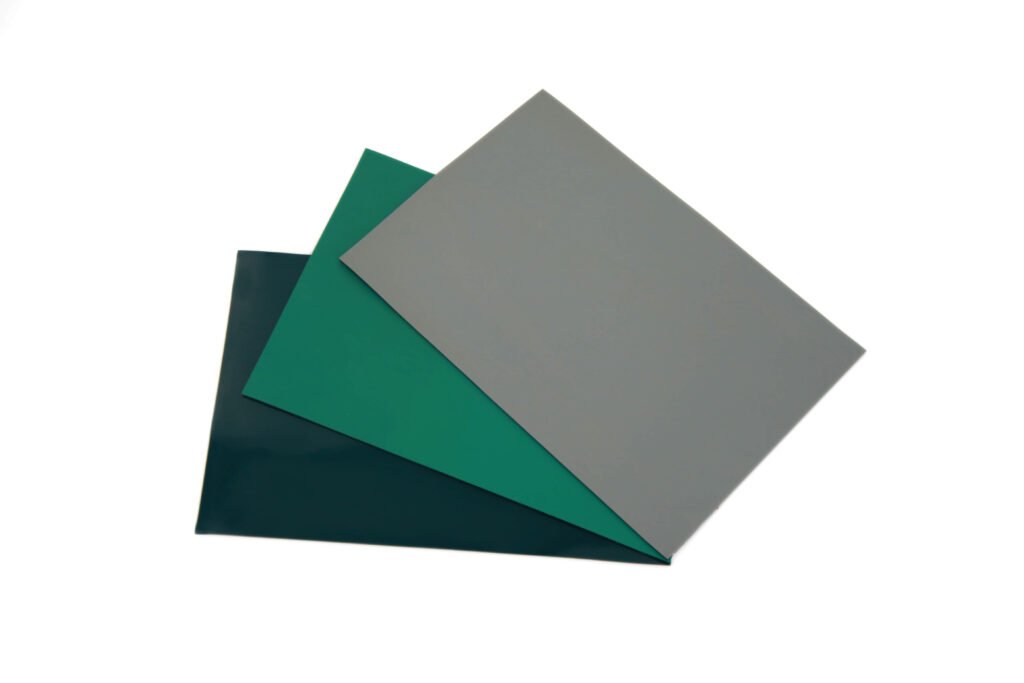
What Is the Difference Between ESD and Anti-Static Mats?
ESD mats safely dissipate static electricity to ground through controlled electrical resistance. Anti-static mats reduce static generation but usually do not provide a grounding path. ESD mats are used in electronics manufacturing environments where electrostatic discharge could damage sensitive components.
Do Anti-Static Mats Protect Electronics?
Anti-static mats help reduce static buildup but are not designed to safely dissipate electrostatic charges to ground. For environments handling sensitive electronics, ESD mats are typically recommended because they provide controlled discharge of static electricity.
Are ESD Mats Grounded?
Yes. ESD mats are usually connected to ground using grounding cords or common point ground systems. This allows static electricity to dissipate safely without damaging electronic components.
Introduction
Static electricity is an invisible but powerful force that can damage sensitive electronic components in milliseconds. In electronics manufacturing, electrostatic discharge (ESD) is one of the most common causes of device failure.
To prevent static damage, many facilities use static control mats. However, two terms often cause confusion: ESD mats and anti-static mats.
Although they sound similar, these mats serve different purposes.
Understanding the difference between ESD vs anti static mats is essential for building effective static control systems in electronics manufacturing, repair stations, laboratories, and packaging environments.
This guide explains:
-
what ESD mats are
-
what anti-static mats are
-
how they work
-
their electrical resistance differences
-
when to use each type
What Is an ESD Mat?
An ESD mat is designed to safely dissipate static electricity from people, tools, and equipment to ground.
These mats are commonly used in ESD Protected Areas (EPA) where sensitive electronic components are handled.
Most ESD mats are made from conductive or static-dissipative materials that allow static charges to flow slowly and safely to ground.
Typical characteristics include:
-
controlled electrical resistance
-
grounding connection points
-
compatibility with wrist straps

What Is an Anti-Static Mat?
An anti-static mat is designed to reduce the buildup of static electricity.
Instead of dissipating electricity to ground, anti-static mats prevent static charges from accumulating on surfaces.
They are commonly used in environments where static electricity is undesirable but not dangerous.
Know more about conductive vs dissipative mats
Typical use cases include:
-
packaging areas
-
shipping stations
-
offices with electronic equipment
ESD vs Anti Static Mats: Key Differences
| Feature | ESD Mat | Anti-Static Mat |
|---|---|---|
| Static control | dissipates static electricity | reduces static buildup |
| Grounding | grounded | usually not grounded |
| Use environment | electronics manufacturing | packaging / office |
| Protection level | high | moderate |
Electrical Resistance Differences
Electrical resistance is one of the most important differences between ESD mats vs anti static mats.
Typical resistance ranges:
| Type | Resistance Range |
|---|---|
| Conductive mats | 10³ – 10⁵ ohms |
| Dissipative mats | 10⁶ – 10⁹ ohms |
| Anti-static mats | 10⁹ – 10¹² ohms |
Lower resistance allows faster static dissipation.
Higher resistance slows static movement.
How ESD Mats Work
ESD mats form part of a complete static control system.
When a charged object touches the mat:
-
static charge transfers to the mat
-
charge flows through the mat material
-
electricity moves through the grounding cord
-
static dissipates safely to ground
This prevents sudden electrostatic discharge.


When Should You Use an ESD Mat?
ESD mats are essential when handling sensitive electronics.
Typical applications include:
-
PCB assembly
-
semiconductor manufacturing
-
electronics repair stations
-
laboratory environments
ESD mats are usually combined with:
-
wrist straps
-
grounding cords
-
ESD shoes
-
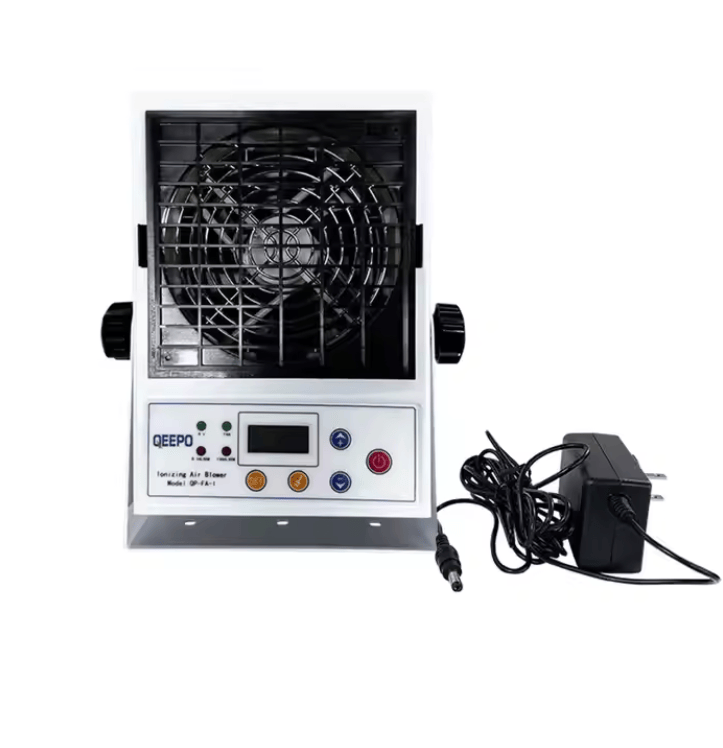
ionizing fans
When Should You Use Anti-Static Mats?
Anti-static mats are suitable when static electricity may cause minor inconvenience but not component damage.
Common uses include:
-
packaging stations
-
warehouses
-
shipping areas
However, they are not a substitute for ESD protection systems.
FAQ & PAA Section
Can anti-static mats replace ESD mats?
No. Anti-static mats reduce static buildup but typically do not provide a grounding path required for ESD protection.
Are ESD mats necessary for electronics repair?
Yes. Electronics repair stations often require ESD mats to prevent electrostatic damage to sensitive components.
Do ESD mats need grounding cords?
Most ESD mats must be connected to ground using grounding cords to function properly.
What is the difference between ESD and anti-static mats?
ESD mats safely dissipate static electricity to ground, while anti-static mats mainly reduce static buildup.
Are anti-static mats grounded?
Most anti-static mats are not grounded.
Do ESD mats prevent electrostatic discharge?
Yes, when connected to ground.
Can anti-static mats protect electronics?
They provide limited protection compared to ESD mats.
What resistance should ESD mats have?
Typically between 10⁶ and 10⁹ ohms.
Do ESD mats require wrist straps?
Often yes, especially in electronics assembly.
Can ESD mats be used on floors?
Yes. ESD floor mats are widely used in manufacturing facilities.
How do you ground an ESD mat?
Using a grounding cord connected to a common ground point.
What materials are ESD mats made of?
Rubber, vinyl, or layered conductive materials.
Are anti-static mats safe for computers?
Yes, but they may not fully protect sensitive components.
📞 Contact Us Today
For bulk orders, quotes, or product guidance, get in touch with our expert team:
Email: sales2@esdbest.com
Phone: +86 137 1427 2599