Gloves to Work Out: How to Choose the Right Pair for Your Training
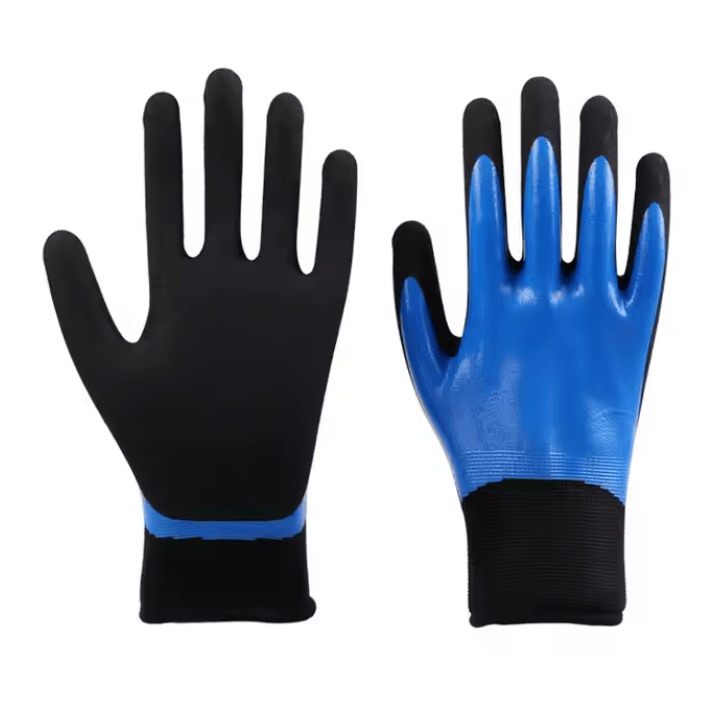
Workout gloves are designed for gym grip, callus prevention, and wrist support—not for cut hazards, chemicals, or jobsite abrasion. If you’re looking for protective gloves for work tasks, use a work-glove guide instead (see /work-gloves/).
Who Should Use Workout Gloves
Workout gloves are useful if you:
Lift heavy (barbells/dumbbells) and want more consistent grip
Get painful calluses or palm tears
Sweat heavily and your grip slips mid-set
Need extra wrist stability for pressing movements
What Matters Most (Grip, Padding, Wrist Support, Breathability)
Grip: Look for textured palm surfaces that stay “tacky” with sweat.
Padding: Helps comfort on barbells, but too much padding reduces bar feel.
Wrist support: Helpful for heavy presses—avoid stiff wraps if you want mobility.
Breathability: Venting and lightweight backs reduce sweat buildup.
Best Workout Gloves by Training Type
Best for Weightlifting (barbell + dumbbells)
Prioritize: secure grip + moderate padding + durable stitching
Avoid: overly thick palms that reduce bar control
Best for CrossFit / Functional Training
Prioritize: dexterity + quick on/off + breathable materials
Avoid: bulky gloves that trap heat and limit movement
Best for Pull-Ups / Rings
Prioritize: palm tear prevention + strong grip surface
Tip: Many athletes prefer grips over full gloves for maximum feel.
Comparison Matrix (Place in Top 30%)
| Training Type | Best Build | What to Prioritize | Common Mistake |
|---|---|---|---|
| Weightlifting | reinforced palm + moderate padding | grip + durability | too much padding |
| CrossFit | low-bulk, breathable glove | dexterity + airflow | stiff wrist wraps |
| Pull-ups/rings | abrasion-resistant palm | tear prevention | slippery palm material |
Sizing & Fit Guide
A workout glove should fit snugly without finger numbness:
Tight palms improve control.
Loose gloves bunch up, causing blisters.
Buying Checklist
Sweaty hands? → prioritize tacky grip surfaces
Heavy pressing? → consider wrist support
Need bar “feel”? → avoid thick padding
Hot gym? → breathable back + venting
FAQ
Q1: Are workout gloves worth using?
Workout gloves are worth using if you want more consistent grip, fewer calluses, and better comfort during lifting or gym training. They are especially helpful for people with sweaty hands or sensitive skin.
Q2: Do workout gloves help grip strength?
Workout gloves do not increase grip strength directly, but they improve friction and stability. This helps you hold weights more securely, especially during high-rep or sweaty workouts.
Q3: Are workout gloves better than chalk?
Workout gloves and chalk serve different purposes. Chalk increases friction, while gloves reduce friction and protect the skin. Some lifters use both depending on the exercise and gym rules.
Q4: Do gloves reduce calluses when lifting?
Yes. Workout gloves reduce pressure points and friction on the palms, which helps prevent calluses and skin tearing during repeated lifting.
Q5: Should workout gloves be tight or loose?
Workout gloves should fit snugly without cutting off circulation. Loose gloves can bunch up and cause blisters, while overly tight gloves may cause numbness.
Q6: Can beginners use workout gloves?
Yes. Beginners can use workout gloves to improve comfort and confidence, especially when learning proper grip and bar control.
Q7: Are workout gloves allowed in gyms?
Most gyms allow workout gloves. However, rules may vary, so it’s best to check gym policies, especially for powerlifting or CrossFit-style gyms.
Q8: What gloves are best for weightlifting?
The best weightlifting gloves offer secure grip, moderate padding, and good wrist support without excessive bulk that reduces bar feel.
Q9: Do workout gloves weaken grip over time?
No. Using workout gloves does not weaken grip strength when combined with proper training. Grip strength is primarily developed through muscles, not skin friction.
Q10: Can workout gloves be washed?
Yes. Most workout gloves can be hand-washed or machine-washed on a gentle cycle. Always follow the manufacturer’s care instructions to avoid damaging grip materials.
Q11: Do workout gloves reduce calluses?
They reduce friction and pressure points, which can reduce callus buildup and tearing.
Q12: Are workout gloves better than chalk?
Different tools: chalk boosts friction; gloves reduce friction + protect skin. Some use both.
Q13: Can workout gloves be used as work gloves?
Not recommended. They are not designed for EN/ANSI protective ratings, abrasion hazards, or chemicals. For job safety, see /work-gloves/.
Q14: Should gloves be tight or loose?
Tight enough to prevent slipping, but not so tight that you restrict circulation.
Contact Us Today
For bulk orders, quotes, or product guidance, get in touch with our expert team:
Email: sales2@esdbest.com
Phone: +86 137 1427 2599