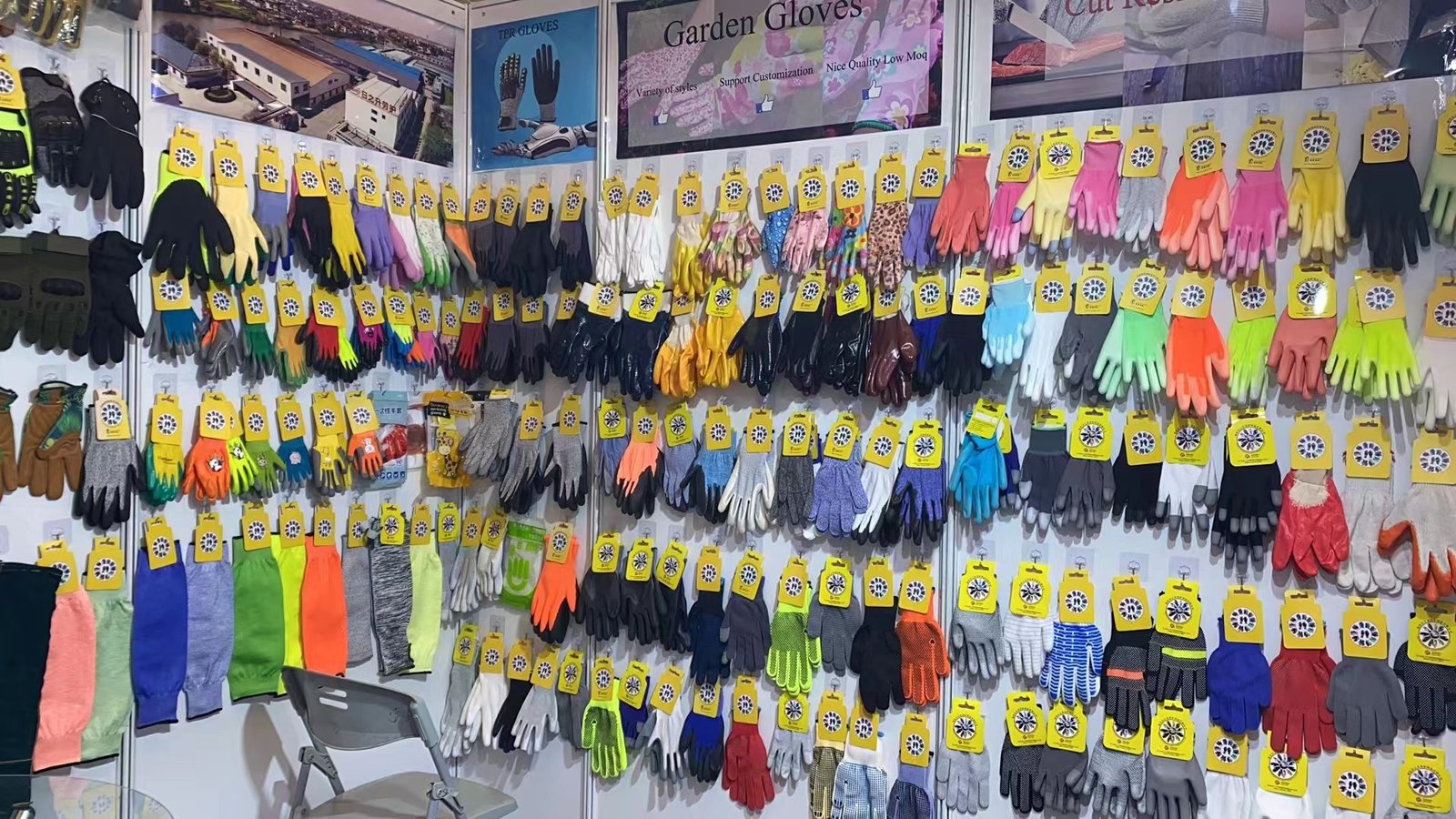
ESD Working Gloves — Professional Static Control Safety Gloves
Precision-engineered gloves designed for electrostatic discharge (ESD) protection in electronics assembly, semiconductor, cleanroom, and repair environments.
Work Gloves
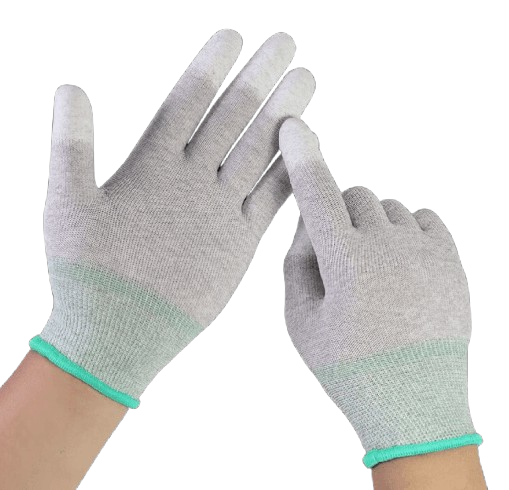
ESD Gloves also called Anti Static Gloves,which have many kinds,include Carbon Fiber Gloves,palm fit gloves,top fit gloves,and as color; classify by clolor:white ,grey,black
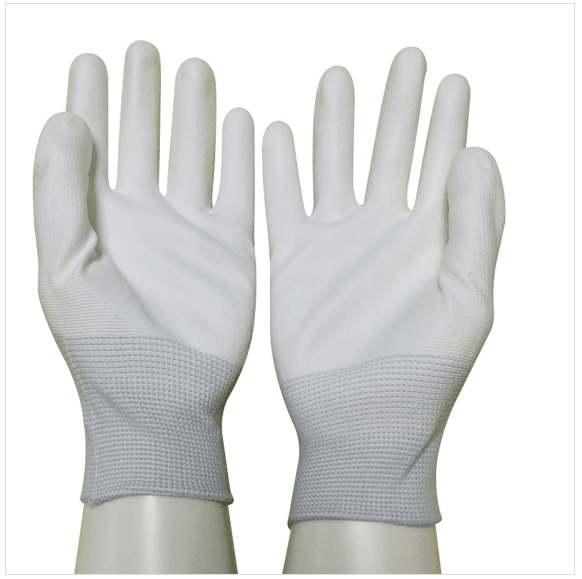
polyurethane pu coated gloves; working gloves pu; nylon pu safety work glove; Black PU Coated Gloves
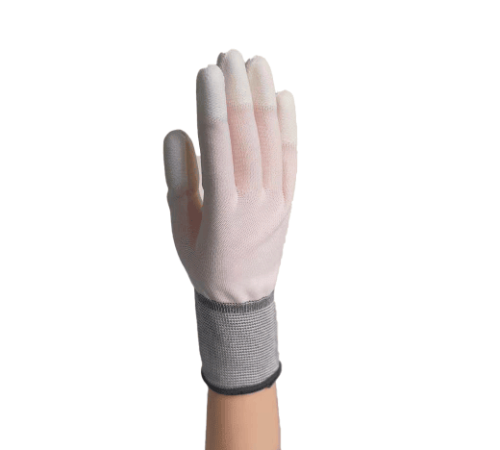
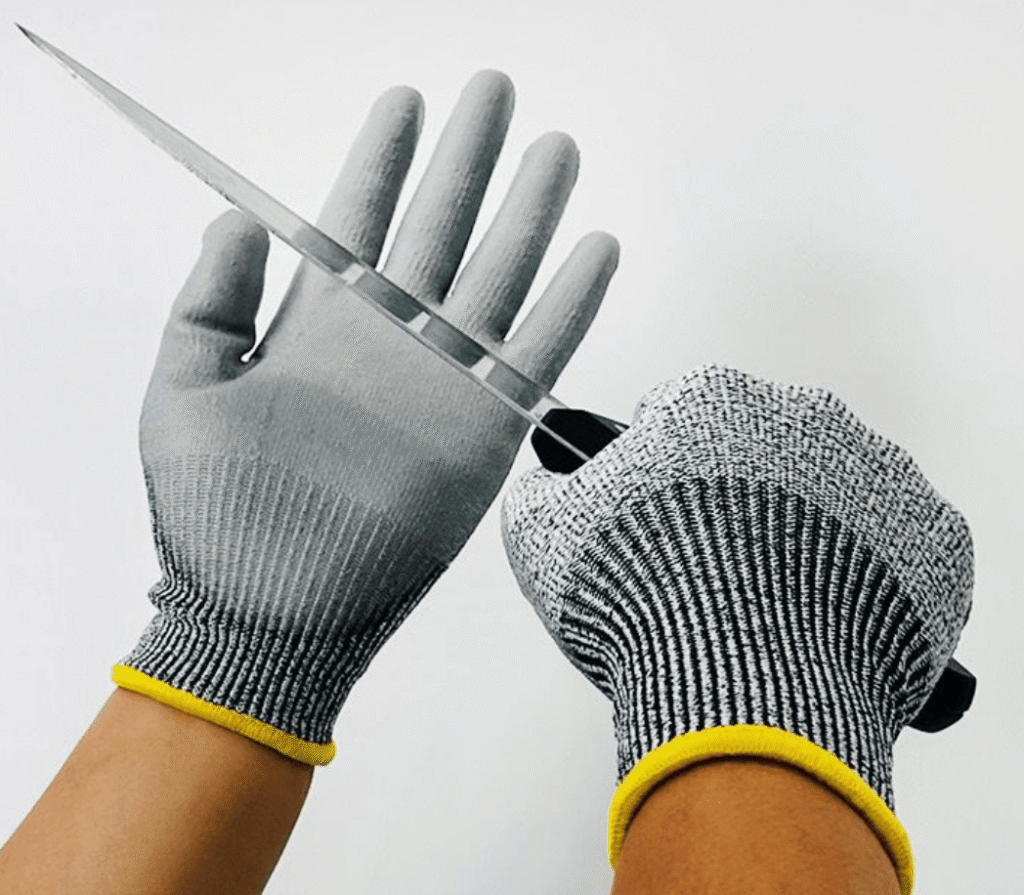
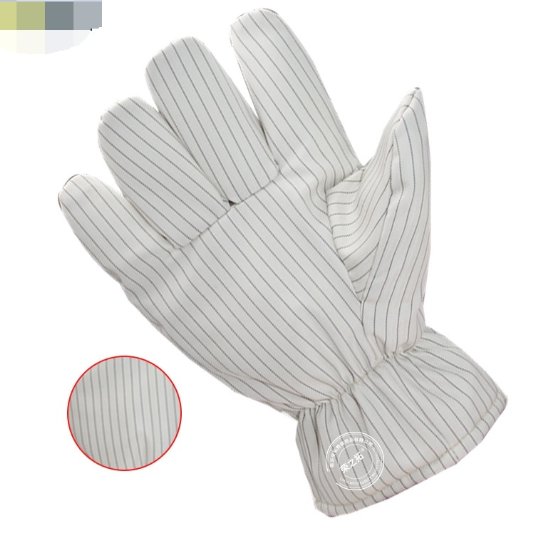
High quality heat protection for cleanroom and ESD-safe environments
Surface Resistance< 109 Ω

Natural rubber latex gloves provide exceptional flexibility, comfort, and reliable barrier protection.
- Length: 9 inch / 12 inch

ESD Nitrile gloves are nitrile gloves esd safe,esd gloves nitrile are all nitrile gloves esd safe ?do nitrile gloves prevent esd ? do nitrile gloves protect against electricity? KNOW MORE click read more please!

Vinyl gloves are vinyl gloves esd safe,esd gloves Vinyl are all Vinyl gloves esd safe? do Vinyl gloves prevent esd? click read more please!
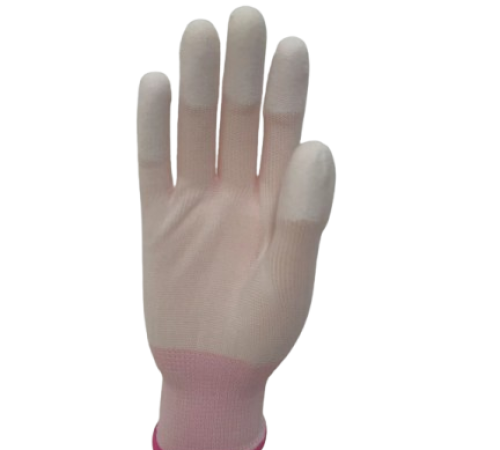
Black Nylon Gloves,gloves nylon and polyurethane,safty gloves nylon,white nylon gloves
Browse our full range of gloves! Read more!
Work Gloves
Quick Navigation: Our Work Glove Categories
Use the shortcuts below to jump to the glove type you need:
•PU Coated Gloves (precision handling / strong grip)
•Cut-Resistant Gloves (glass / metal / blades)
•Heat Resistant Gloves (welding / high-temperature tasks)
•Nitrile Gloves (chemical / oil resistance, latex-free)
•Latex Gloves (elastic fit / high tactile sensitivity)
•Vinyl Gloves (cost-effective, light-duty)
•Nylon Gloves (breathable, general handling)
📞 Contact Us Today
For bulk orders, quotes, or product guidance, get in touch with our expert team:
Email: sales2@esdbest.com
Phone: +86 137 1427 2599
ESD Working Gloves – Professional Static Dissipative Protection for Electronics Manufacturing
ESD Working Gloves are engineered for environments where electrostatic discharge (ESD) can damage sensitive electronic components. Unlike generic “working gloves,” ESD gloves are designed with controlled electrical resistance to safely dissipate static charges while maintaining dexterity, grip, and durability.
In electronics assembly, semiconductor operations, cleanroom production, and repair benches, ESD gloves are only one part of a complete static control system (gloves + grounding + ESD surfaces + footwear/flooring + ionization + verification).
Why Standard Working Gloves Are Not Enough
Traditional work gloves are designed primarily for mechanical protection — abrasion, cut resistance, grip, and impact reduction. They are typically not engineered for electrical resistance control. In electronics handling, some fibers and coatings can generate static through friction, or trap charge depending on humidity, clothing, flooring, and workflow.
ESD working gloves are manufactured using dissipative or conductive elements that help charge bleed off in a controlled way. This supports consistent handling safety inside ESD Protected Areas (EPA) and reduces the risk of hidden damage.
- Improves static control when used within grounded EPA environments
- Supports IEC 61340-5-1 and ANSI/ESD S20.20 program requirements
- Maintains productivity with high dexterity and stable grip
ESD Gloves vs Regular Working Gloves (Key Differences)
If you work with PCBs, ICs, sensors, or any static-sensitive devices, choosing the right glove type matters. Here’s a quick, audit-friendly comparison between ESD gloves and regular working gloves.
Featured Snippet Summary: ESD gloves are designed and tested for controlled electrical resistance to dissipate static safely.
Regular working gloves focus on mechanical protection and may generate or trap static charge.
| Comparison | ESD Gloves | Regular Working Gloves |
|---|---|---|
| Main Purpose | Static control + handling safety for electronics | Mechanical protection (grip, abrasion, cut, impact) |
| Electrical Behavior | Controlled resistance to dissipate charge | Not designed for resistance control; may generate static |
| ESD Program Fit | Supports EPA/ESD control plans (IEC/ANSI programs) | Usually not acceptable for EPA work |
| Typical Work Areas | PCB assembly, cleanrooms, semiconductor, repair benches | Warehousing, general manufacturing, construction, logistics |
| Risk If Misused | Lower ESD risk when used in grounded system | Higher risk of hidden ESD damage to electronics |
When should you choose ESD gloves?
- When handling static-sensitive devices (ESDS) such as PCBs, ICs, modules, sensors
- When working inside an ESD Protected Area (EPA) or under an ESD control plan
- When audits require ESD documentation and verification
PU vs Nitrile – Ultimate Comparison Guide
Two mainstream options for ESD working tasks are PU coated ESD gloves and ESD nitrile gloves. The correct choice depends on dexterity needs, environmental cleanliness, exposure to oils/chemicals, and expected wear rate. Below is a procurement-friendly comparison including cost, lifespan, cleanliness, packaging, and MOQ considerations.
| Criteria | PU Coated ESD Gloves | ESD Nitrile Gloves |
|---|---|---|
| Dexterity | Excellent for fine PCB & small component handling | Good, slightly thicker tactile feel |
| Grip Performance | Strong dry grip; ideal for precision assembly | Better performance with oils/chemicals depending on texture |
| Mechanical Lifespan | Medium wear rate; great when dexterity is priority | Often longer wear in harsher environments |
| Cleanliness / Lint Control | Low-lint knit options available; depends on yarn & coating | Strong cleanroom-ready options; packaging options are critical |
| Cost Level (Typical) | Lower to mid range | Mid range (varies by cleanroom grade & packaging) |
| Bulk Packaging | Commonly bundled in dozens/pairs per bag/carton | Often sealed packaging; cleanroom versions may require double-bagging |
| MOQ (Typical Procurement) | Often flexible MOQs for general ESD assembly lines | MOQs may be higher for cleanroom-grade or custom packaging |
| Best Industry Fit | SMT/PCB lines, inspection, fine assembly tasks | Cleanroom tasks, automotive electronics, oil exposure areas |
Procurement note: If your primary pain point is frequent tearing/abrasion, evaluate the glove under real workflow conditions
and confirm ESD stability after wear. Lifespan in your process often matters more than unit cost.
ESD Technical Parameters & Compliance
A professional ESD glove program should be backed by measurable performance and documentation. Below are the parameters buyers most commonly request for ESD compliance and stable production.
- Electrical Resistance: Many ESD glove programs specify controlled resistance, often targeting values below 1 × 10⁹ Ω (program-defined).
- Standards Reference: IEC 61340-5-1 and ANSI/ESD S20.20 are frequently referenced for EPA programs and audits.
- System Compatibility: Gloves must work with grounded workstations, wrist straps, and flooring/footwear systems.
- Verification: Periodic in-use checks are recommended based on your risk level and glove wear rate.
Buyer tip: Always request test reports or technical data sheets. A simple “ESD safe” claim without data is not sufficient for audits.
Mechanical Durability & Tear Resistance
ESD gloves must balance static control with durability. Many industrial models are evaluated under EN 388-type mechanical testing for: abrasion resistance, tear resistance, puncture resistance (and sometimes cut resistance depending on application).
Common Tear / Wear Scenarios in Electronics Production
- Repeated friction against trays, fixtures, and sharp PCB edges
- Fast pick-and-place handling causing fingertip stress
- Tool handling (drivers, tweezers, gauges) leading to localized coating wear
Recommended Factory-Friendly Tear Evaluation
- Define failure mode: fingertip tearing, palm abrasion, seam splitting, coating peel, etc.
- Run a controlled line simulation: same task, same duration, record glove failure rate.
- Compare PU vs nitrile under your real conditions (oils, humidity, speed).
- Confirm ESD remains stable after wear (verification is part of compliance).
Industry Applications
ESD Working Gloves are widely used in industries where static-sensitive devices are handled:
- Semiconductor & IC Packaging: chip handling, testing, packaging and microelectronics processes
- PCB Assembly & SMT Manufacturing: component placement, inspection, module assembly
- Electronics Repair & Service: motherboard repair, phone/laptop service, instrument maintenance
- Cleanroom Manufacturing: precision electronics, optics, medical devices requiring low contamination
- Automotive Electronics: ECU, sensors, BMS module assembly and testing
Request a Technical Quote
Share your application environment, standards requirements, and expected volume. Our team will recommend the right ESD working gloves based on your process and compliance targets.