Vinyl vs Nitrile Gloves: What’s the Difference?
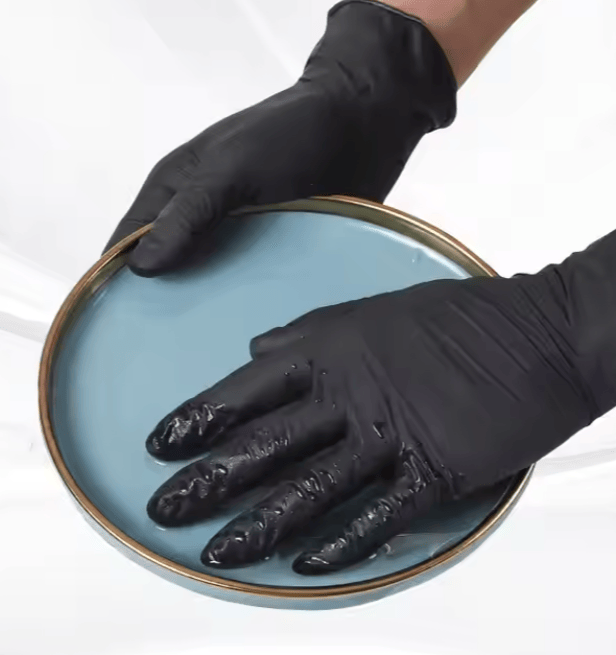

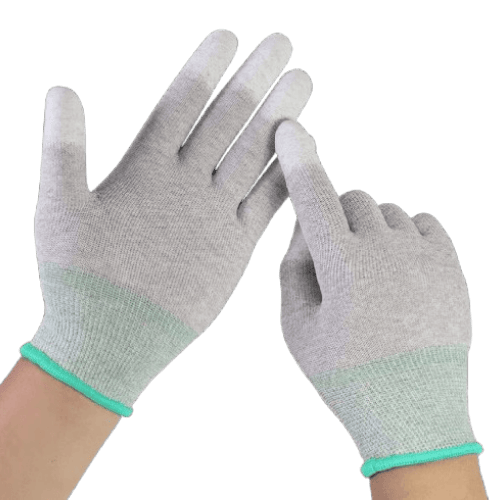
Vinyl and nitrile gloves are both widely used disposable gloves, but they differ significantly in durability, protection level, and suitable applications.
This guide compares vinyl vs nitrile gloves side by side, explaining the key differences, advantages, disadvantages, and when each type should be used.
Choosing between vinyl gloves and nitrile gloves depends on your application, safety requirements, and budget.
Although both are disposable gloves, they perform very differently in terms of durability, protection, comfort, and chemical resistance.
This guide breaks down the key differences between vinyl vs nitrile gloves, helping you choose the right option for medical, food, cleaning, or industrial use.
⸻
What Are Vinyl Gloves?
Vinyl gloves are made from PVC and are designed for short-term, low-risk tasks.
They are lightweight, loose-fitting, and cost-effective, but provide limited durability and protection.
Pros of Vinyl Gloves
•Low cost
•Latex-free
•Easy to change frequently
Cons of Vinyl Gloves
•Tear easily
•Poor chemical resistance
•Not suitable for high-risk environments
⸻
What Are Nitrile Gloves?
Nitrile gloves are made from synthetic rubber and offer significantly higher durability and protection compared to vinyl gloves.
Pros of Nitrile Gloves
•Excellent puncture resistance
•Strong chemical and oil resistance
•Latex-free and medical-grade
Cons of Nitrile Gloves
•Higher cost
•Less breathable for long wear
⸻
Vinyl vs Nitrile Gloves — Side-by-Side Comparison
| Feature | Vinyl Gloves | Nitrile Gloves |
|---|---|---|
| Material | PVC (Polyvinyl Chloride) | Synthetic nitrile rubber |
| Durability | Low | High |
| Puncture Resistance | Poor | Excellent |
| Chemical Resistance | Limited | Strong |
| Fit & Comfort | Loose fit | Snug & flexible |
| Allergen Risk | Latex-free | Latex-free |
| Cost | Lower | Higher |
| Best For | Low-risk, short-term tasks | High-risk environments |
⸻
Vinyl vs Nitrile Gloves by Application
Food Handling
•Vinyl → short, low-risk food prep
•Nitrile → oily foods, long shifts
Medical & Healthcare
•Vinyl → generally not recommended
•Nitrile → industry standard
Industrial & Cleaning
•Vinyl → tears easily
•Nitrile → resists chemicals and abrasion
⸻
Cost vs Performance
Are Vinyl Gloves Cheaper Than Nitrile Gloves?
While vinyl gloves are cheaper per unit, nitrile gloves often provide better value due to longer wear time and fewer glove changes.
⸻
Which Should You Choose?
Vinyl or Nitrile Gloves — Which Is Better?
Choose vinyl gloves for low-risk, short-duration tasks where cost is the main concern.
Choose nitrile gloves when durability, chemical resistance, and safety are required.
⸻
Which Should You Choose — Vinyl or Nitrile Gloves?
Choose vinyl gloves if you need:
•Low-cost disposable gloves
•Short-term, low-risk protection
•Frequent glove changes
Choose nitrile gloves if you need:
•High protection and durability
•Chemical and puncture resistance
•Medical or industrial-grade safety
For a detailed comparison, see our guide on Vinyl vs Nitrile vs Latex Gloves.
Frequently Asked Questions
Yes. Nitrile gloves provide better durability, puncture resistance, and chemical protection than vinyl gloves.
Yes, vinyl gloves are food-safe and commonly used for short-duration food handling tasks.
Nitrile gloves use higher-performance materials and offer significantly better protection and lifespan.
Only in low-risk environments. Vinyl gloves should not be used where chemical, puncture, or medical-grade protection is required.
Contact Us Today
For bulk orders, quotes, or product guidance, get in touch with our expert team:
Email: sales2@esdbest.com
Phone: +86 137 1427 2599