Step-by-Step Guide for Accurate Grounding Checks
How to Test an ESD Wrist Strap Properly
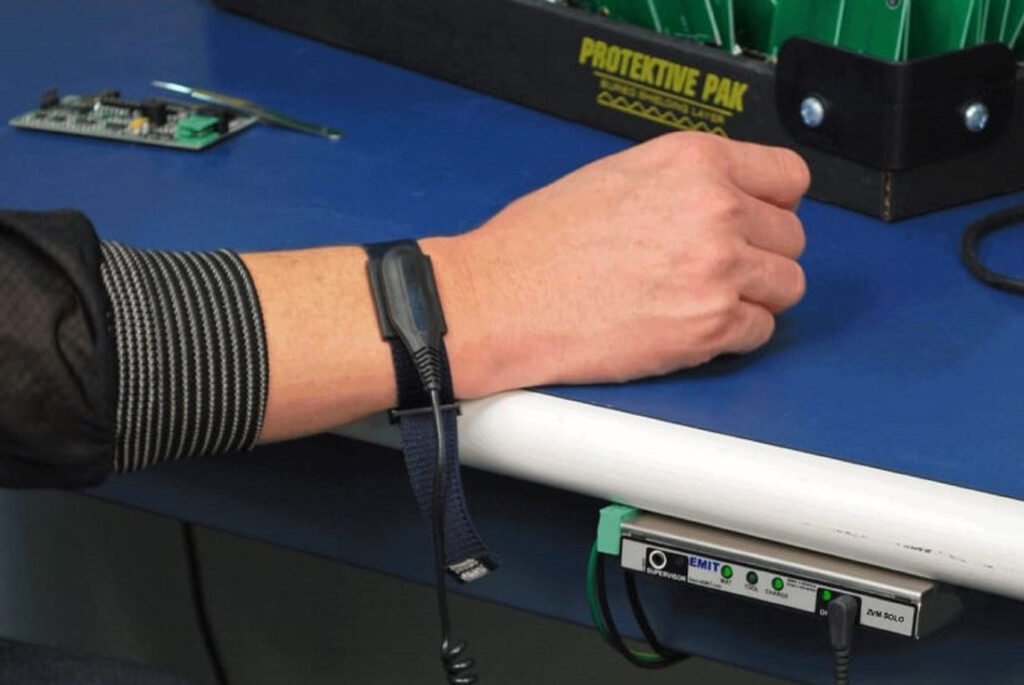
Static control is only effective when grounding devices are working correctly. In electronics manufacturing, repair benches, laboratories, and ESD protected areas, an ESD wrist strap is one of the most common personal grounding tools. But wearing a wrist strap is not enough by itself. If the strap, cord, snap, or grounding path is damaged or poorly connected, static electricity may not dissipate as intended.
That is why regular testing matters.
A failed or poorly connected wrist strap can leave operators ungrounded without obvious warning. In sensitive electronics environments, that can result in hidden ESD damage, lower yield, field failures, and expensive quality problems.
This guide explains how to test an ESD wrist strap, what an ESD wrist strap tester actually checks, how often testing should be done, why straps fail, and how to build a reliable wrist strap testing routine for your workstation or factory.
If you need to know more about : ESD wrist strap guide
In this article, you will learn:
-
how an ESD wrist strap is tested
-
what an ESD wrist strap tester measures
-
how to use a wrist strap checker correctly
-
common reasons a wrist strap fails
-
how often to test wrist straps
-
best practices for maintaining wrist strap performance
How Do You Test an ESD Wrist Strap?
To test an ESD wrist strap, wear the strap properly on bare skin, connect it to an ESD wrist strap tester, and activate the tester according to the device instructions. The tester checks whether the grounding path resistance falls within the acceptable range. A pass result indicates the wrist strap system is working correctly.
Why Testing an ESD Wrist Strap Is Important
An ESD wrist strap is designed to provide a controlled path for static electricity to move from the human body to ground. This helps reduce the risk of electrostatic discharge into sensitive components such as integrated circuits, printed circuit boards, sensors, and semiconductor devices.
However, several problems can prevent the wrist strap from working properly:
-
poor skin contact
-
damaged cord
-
broken resistor
-
loose snap connection
-
incorrect ground point
-
worn wrist band material
-
contamination on metal contact surfaces
In many cases, these problems are not visible at a glance. A strap may look normal but still fail electrically.
That is why testing is part of good ESD control practice. Without testing, a worker may believe they are grounded when they are not.
Testing helps:
-
verify the grounding path
-
identify failed cords or straps
-
reduce hidden ESD risk
-
support workstation compliance
-
improve consistency in electronics manufacturing
What Does an ESD Wrist Strap Tester Check?
An ESD wrist strap tester checks the electrical resistance of the grounding path formed by:
-
the operator
-
the wrist band
-
the cord
-
the internal resistor
-
the connection to the tester circuit
The purpose is not just to check whether electricity can flow. The tester is checking whether the resistance is within an acceptable range.
If resistance is too high, the strap may not ground the operator effectively.
If resistance is too low, the setup may not provide the intended current limiting protection.
Most wrist strap systems include a 1 megohm resistor, which is one reason wrist strap testing focuses on acceptable resistance ranges rather than a simple on/off reading.
A tester typically gives one of three results:
-
pass
-
high fail
-
low fail
Some models use lights and buzzers. Others use digital screens or more detailed measurement displays.
What Does an ESD Wrist Strap Tester Measure?
First,you need to know what is ESD
An ESD wrist strap tester measures whether the total resistance of the wrist strap grounding path falls within an acceptable range. This includes the wrist band, cord, resistor, and skin contact. The goal is to confirm the operator is properly grounded through a controlled resistance path.
What Equipment Is Used to Test an ESD Wrist Strap?
The most common tool is an ESD wrist strap tester, also called an ESD wrist strap checker. Depending on the workplace, testing may be done using:
-
standalone wrist strap tester
-
combo tester for wrist straps and footwear
-
continuous monitor system
-
workstation test station
-
portable ESD checker
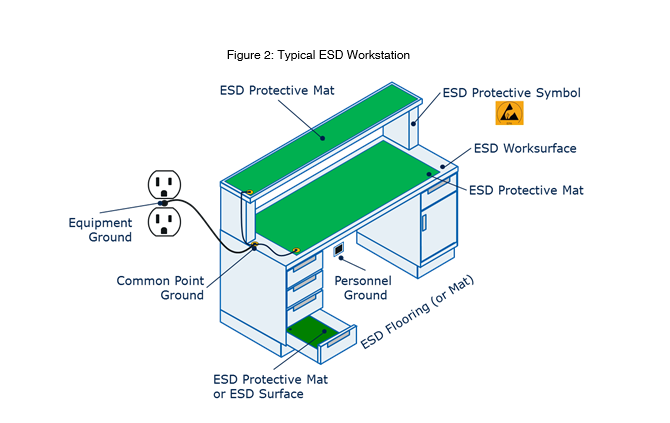
In a typical factory or repair bench setup, the most common device is a simple pass/fail tester mounted near the entrance to an ESD protected area or at the workstation.
A standard test setup may include:
-
wrist strap tester
-
grounding plate or touch plate
-
wrist strap cord connection point
-
test instructions
-
optional logging system for compliance records
Parts of the Wrist Strap System That Affect Test Results
To understand how to test an ESD wrist strap, it helps to understand which parts can fail.
Wrist Band
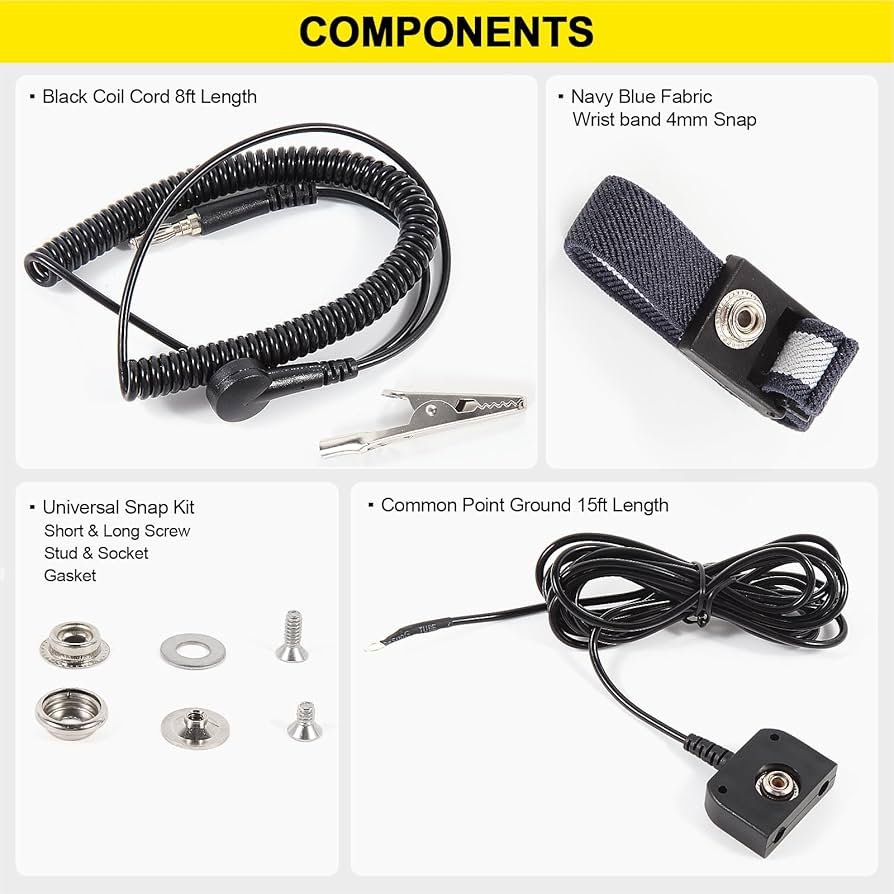
The band must maintain good contact with bare skin. If it is loose, dirty, worn, or used over clothing, the test may fail.
Grounding Cord
The cord carries the connection from the wrist band to the ground point. Coiled cords can fail after repeated stretching or internal conductor damage.
Snap Connection
The snap or connector between the band and cord must be secure. Loose or corroded snaps can cause intermittent failures.
Built-In Resistor
Most cords contain a resistor, often 1 megohm. If the resistor fails or the cord is damaged, the tester may show a fail result.
Skin Contact
Dry skin, improper fit, or wearing the strap over sleeves can increase resistance and cause a high-fail reading.
Step-by-Step: How to Test an ESD Wrist Strap
This is the practical process most users need.
Step 1: Wear the Wrist Strap Correctly
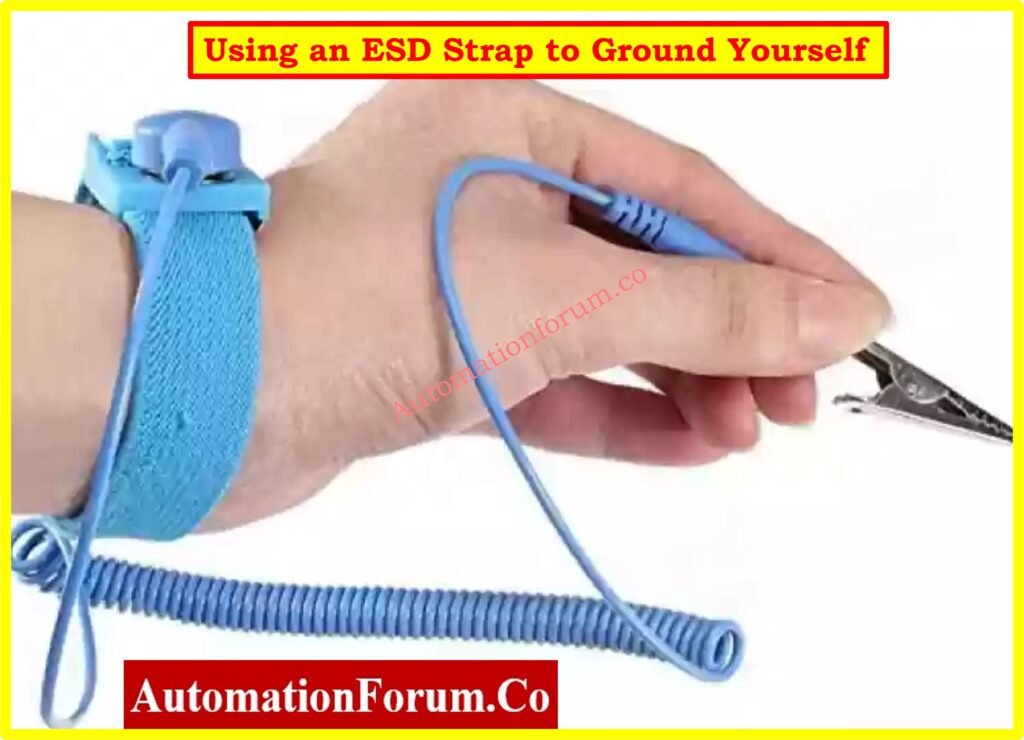
Place the wrist band directly on bare skin. It should be snug but comfortable. The conductive part of the strap must touch the skin continuously.
Do not wear it:
-
over sleeves
-
over gloves
-
too loose
-
twisted away from skin contact
If the wrist band is not worn correctly, the test result may be inaccurate.
Step 2: Connect the Cord Properly
Attach the cord securely to the wrist band snap. Then connect the other end of the cord to the tester if required by the tester design.
Make sure:
-
the plug type matches
-
the snap is fully attached
-
the cord is not visibly damaged
-
the wire is not stretched or broken
Step 3: Use the Tester as Designed
Most wrist strap testers require the user to touch a metal plate or press a button while wearing the connected strap.
The exact procedure depends on the tester model, but usually includes:
-
standing or positioning correctly
-
wearing the strap
-
plugging the cord into the tester
-
pressing the test plate or button
Step 4: Read the Result
A pass result means the total resistance is within the tester’s acceptable range.
A fail result may indicate:
-
high resistance
-
low resistance
-
poor contact
-
broken cord
-
incorrect setup
Step 5: If It Fails, Isolate the Cause
Do not assume the wrist band alone is the problem. The failure may be caused by:
-
poor skin contact
-
cord damage
-
wrong connection
-
tester misuse
-
worn snap
-
bad resistor
Retest after checking each part of the system.
How to Use an ESD Wrist Strap Tester Correctly
Using the tester correctly is just as important as owning one.
Best practices include:
-
test before handling ESD-sensitive components
-
follow the tester’s instructions
-
keep the tester clean and functional
-
ensure the strap is worn on bare skin
-
avoid testing with damaged cords or worn straps
-
use the correct plug or connector type
If the tester is installed at the entrance to an ESD area, users should be trained to test before entering or before beginning work.
Common Reasons an ESD Wrist Strap Fails
Understanding failure causes helps reduce repeat problems.
1. Poor Skin Contact
This is one of the most common reasons for failure. If the strap is loose or worn over clothing, resistance may be too high.
2. Damaged Cord
Repeated bending, stretching, and pulling can damage the internal wire.
3. Worn Wrist Band
Old metal links, frayed fabric, or contaminated conductive fibers may affect performance.
4. Broken Resistor
If the built-in resistor fails, the tester may show a fail result.
5. Loose Snap or Connector
An intermittent snap connection can produce inconsistent results.
6. Incorrect Plug Type or Wrong Tester Use
If the operator connects the cord incorrectly, the test will not be valid.
7. Dirty Tester Contact Plate
Contamination on the tester plate can affect the reading.
8. Extremely Dry Skin
In some cases, poor skin conductivity can contribute to a high-fail reading.
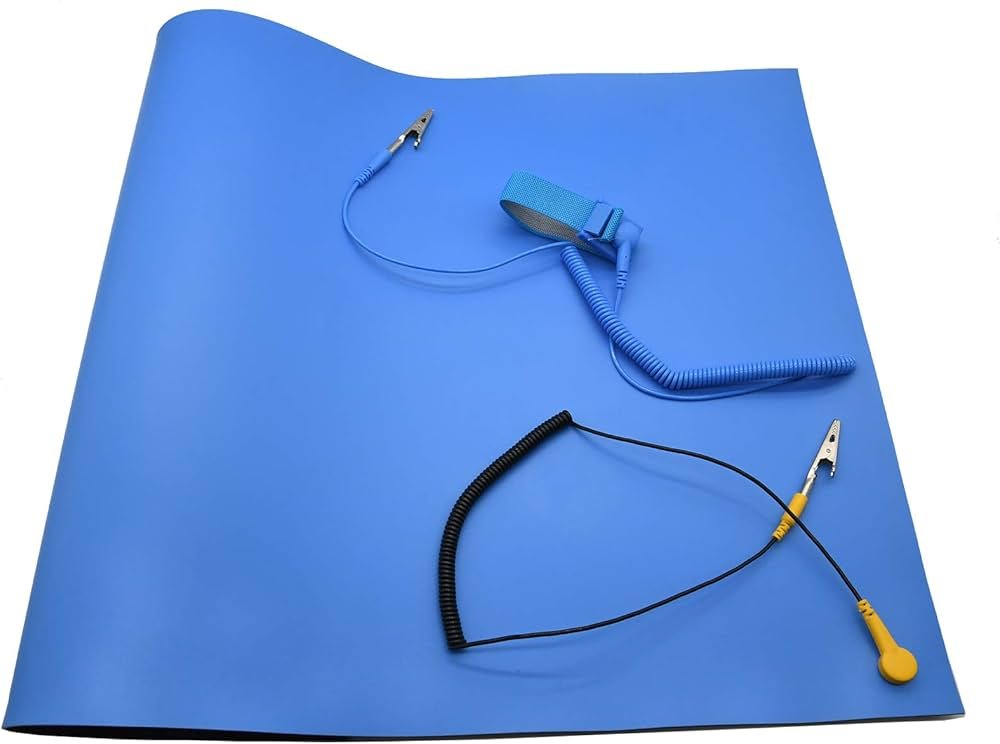
Why Does an ESD Wrist Strap Fail a Test?
An ESD wrist strap may fail because of poor skin contact, a damaged cord, a broken resistor, a loose snap, or incorrect tester use. High resistance failures are often caused by bad contact or worn components, while low resistance failures may indicate resistor or cord issues.
How Often Should ESD Wrist Straps Be Tested?
This depends on the workplace and ESD control program, but many facilities test wrist straps:
-
daily before work starts
-
before entering an ESD protected area
-
at the start of each shift
-
when changing wrist straps or cords
-
after suspected damage
In higher-control environments, some companies use continuous monitors rather than relying only on periodic manual testing.
For most factories and repair environments, daily testing is a practical minimum.
Daily Testing vs Continuous Monitoring
Daily Testing
Daily pass/fail testing is simple, affordable, and common. It works well when procedures are followed consistently.
Continuous Monitoring
Continuous wrist strap monitors track grounding in real time while the operator is working. These systems are useful when:
-
the work is highly sensitive
-
compliance requirements are stricter
-
intermittent cord failures are a concern
-
continuous grounding verification is preferred
Daily testing is effective, but continuous monitoring adds an additional layer of control.
Can You Test an ESD Wrist Strap With a Multimeter?
A multimeter can help check continuity or resistance in some parts of the system, but it is not always the best replacement for a dedicated ESD wrist strap tester.
Why?
Because a real wrist strap tester is designed to assess the full grounding path under proper use conditions, including the operator’s contact through the strap system.
A multimeter may be useful for troubleshooting:
-
cord continuity
-
snap connection
-
resistor presence
But for routine operator testing, a dedicated wrist strap tester is the better choice.
What Resistance Range Should a Wrist Strap Pass?
The exact acceptable range depends on the tester design, workplace policy, and applicable program requirements.
In general, testers are configured to check whether the resistance stays within a range that:
-
confirms effective grounding
-
maintains the intended current-limiting protection
This is why the pass/fail threshold is determined by the tester rather than by visual inspection alone.
The operator does not need to memorize a single universal number for every tester. The important thing is to use the tester correctly and follow the site standard.
Wrist Strap Tester Calibration and Maintenance
Like any checking device, the tester itself should be maintained.
An unreliable tester can create false confidence or unnecessary rejects. Good practice includes:
-
using a quality tester
-
keeping it clean
-
verifying performance periodically
-
following the manufacturer’s maintenance guidance
-
arranging ESD wrist strap tester calibration when required by the program
In structured quality systems, tester calibration or verification may be documented as part of ESD program maintenance.
Best Practices for Reliable Wrist Strap Testing
To improve accuracy and reduce false failures:
-
wear the strap directly on bare skin
-
keep the band snug
-
inspect cords regularly
-
replace damaged straps immediately
-
clean tester plates and connectors
-
train workers on correct test method
-
document failures and replacement patterns
-
use compatible cords, snaps, and tester plugs
-
consider continuous monitoring for critical work
How do you know if an ESD wrist strap is working?
The most reliable way is to test it with an ESD wrist strap tester. A proper pass result confirms the grounding path resistance is within the acceptable range.
Can an ESD wrist strap fail without visible damage?
Yes. A wrist strap or cord can fail electrically even if it looks normal. Internal wire damage, poor skin contact, or worn connections may not be obvious by visual inspection.
How often should wrist straps be tested?
Many electronics facilities test wrist straps daily or at the start of each shift. Some critical areas use continuous monitoring instead.
What causes a wrist strap tester high fail result?
A high fail result is often caused by poor skin contact, a loose wrist band, a damaged cord, or contamination affecting the connection.
Do I need a wrist strap tester if I already have a grounded mat?
Yes. A grounded mat does not automatically confirm that the operator’s wrist strap system is working correctly. The strap still needs to be tested.
How to Build a Simple Wrist Strap Testing Routine
A good testing routine does not need to be complicated.
At the Start of Shift
Each operator tests their wrist strap before beginning work.
Before Entering Sensitive Work Areas
If the site uses controlled entry, test before entering the ESD protected area.
After Replacing a Cord or Band
Always retest after replacing components.
If a Failure Occurs
Check fit, cord, snap, and connection. Retest before continuing work.
People Also Ask About ESD Wrist Strap Testing
-
How do you know if an ESD wrist strap is working?
-
How often should an ESD wrist strap be tested?
-
What does a wrist strap tester measure?
-
Can a wrist strap fail without visible damage?
-
Do you need to test a wrist strap every day?
Record Repeat Issues
If one operator or station fails often, investigate the root cause.
This simple routine improves compliance and reduces ESD risk.
Choosing the Right Wrist Strap Tester
When selecting a tester, consider:
-
wrist strap only vs combo testing
-
plug compatibility
-
pass/fail clarity
-
durability
-
installation style
-
whether recordkeeping is needed
-
whether continuous monitoring is required
A basic pass/fail tester is often enough for many workstations. For more controlled environments, a combo tester or monitor may be more appropriate.
Related Products for Wrist Strap Testing
A reliable wrist strap testing program often involves more than one product:
-
ESD wrist straps
-
wrist strap cords
-
grounding accessories
-
common point grounds
-
ESD floor mats;If you want to know more about ESD floor mat guide
-
continuous monitors
- ionizing fan guide
Testing works best when the full system is matched and maintained properly.
Need Reliable ESD Wrist Strap Testing for Your Workstation?
Build a safer ESD control setup with professional ESD wrist straps, wrist strap testers, grounding cords, and workstation accessories designed for electronics manufacturing and repair environments.
Shop ESD Wrist Straps
View Wrist Strap Testers
Request Bulk Quote
📞 Contact Us Today
For bulk orders, quotes, or product guidance, get in touch with our expert team:
Email: sales2@esdbest.com
Phone: +86 137 1427 2599
Conclusion
Testing an ESD wrist strap is a simple but essential part of static control. A strap that looks fine may still fail electrically, and an untested grounding system creates unnecessary risk for sensitive electronics.
The correct process is straightforward:
-
wear the strap correctly
-
connect it properly
-
use an ESD wrist strap tester
-
read the result
-
troubleshoot failures immediately
For most workplaces, daily testing is a smart baseline. For more sensitive environments, continuous monitoring may provide added protection.
If you handle electronics, testing should not be treated as optional. It is one of the easiest and most cost-effective ways to improve ESD control and reduce hidden damage risk.
FAQ
1. How do you test an ESD wrist strap?
Wear the strap on bare skin, connect it to an ESD wrist strap tester, and run the test according to the device instructions.
2. What does an ESD wrist strap tester check?
It checks whether the total grounding path resistance is within the acceptable range.
3. How often should ESD wrist straps be tested?
Many facilities test them daily or at the start of each shift.
4. Can a wrist strap look normal and still fail?
Yes. Internal cord damage or poor contact may not be visible.
5. Why did my wrist strap fail high?
Common causes include poor skin contact, a loose band, or a damaged cord.
6. Why did my wrist strap fail low?
A low fail may indicate a resistor issue or an abnormal cord condition.
7. Can I test a wrist strap with a multimeter?
A multimeter can help troubleshoot, but a dedicated wrist strap tester is better for routine testing.
8. Do I need to test a wrist strap every day?
Daily testing is common and recommended in many electronics environments.
9. What is an ESD wrist strap checker?
It is another name for a wrist strap tester, usually a pass/fail device.
10. Does a grounded mat replace wrist strap testing?
No. The operator’s wrist strap system still needs testing.
11. What causes inconsistent test results?
Loose fit, snap issues, cord damage, dry skin, or incorrect tester use can all cause inconsistent results.
12. Should wrist strap testers be calibrated?
Yes, when required by the ESD control program or device maintenance schedule.
13. Can fabric wrist straps be tested the same way as metal ones?
Yes, both are typically tested through the same type of wrist strap tester.
14. What should I do after a failed test?
Stop work, inspect the strap and cord, correct the issue, and retest before handling sensitive components.
15. Are continuous wrist strap monitors better than daily testing?
They provide real-time verification and may be better for critical applications, but daily testing remains common and effective.
Need Help Choosing the Right ESD Wrist Strap Testing Solution?
Whether you need wrist straps, testers, grounding cords, or a complete ESD workstation setup, our team can help you choose the right products for electronics manufacturing, repair benches, and static-sensitive environments.
Contact Us for Product Recommendations
Request Wholesale Pricing
Ask About OEM / Custom Options
📞 Contact Us Today
For bulk orders, quotes, or product guidance, get in touch with our expert team:
Email: sales2@esdbest.com
Phone: +86 137 1427 2599