ESD Ionizer: What It Is, How It Works, and When You Need One
What Is an ESD Ionizer?
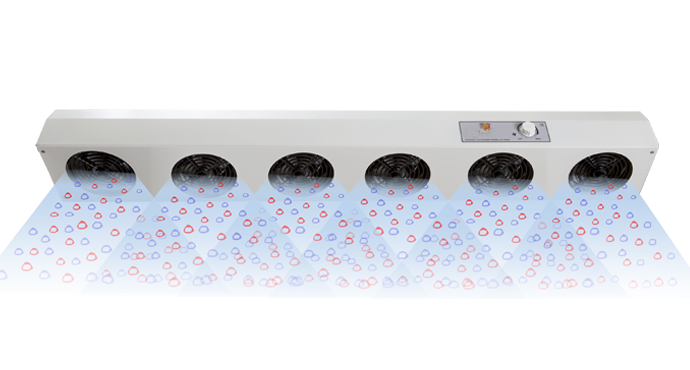
An ESD ionizer is a device designed to neutralize static electricity on surfaces that cannot be grounded. It works by generating balanced positive and negative ions that cancel out electrostatic charges in the surrounding air.
In electronics manufacturing, many materials such as plastics, packaging films, and component trays are insulators. These materials can hold static charges for long periods and create risks for sensitive components.
Unlike grounding, which removes charge through a conductive path, ionizers neutralize static directly in the air. This makes them essential for controlling electrostatic discharge in environments where grounding alone is not sufficient.
How Does an Ionizer Work?
How ESD Ionizers Neutralize Static Electricity
ESD ionizers generate ions using high-voltage emitters. These ions are carried by airflow and attach to charged surfaces.
Positive ions neutralize negative charges
Negative ions neutralize positive charges
This process brings objects back to a neutral state and reduces the risk of electrostatic discharge.
Ionizers are especially effective for:
plastic surfaces
packaging materials
PCB assemblies
isolated components
Because these materials cannot discharge through grounding, ionization becomes the only effective control method.
Overhead Ionizers
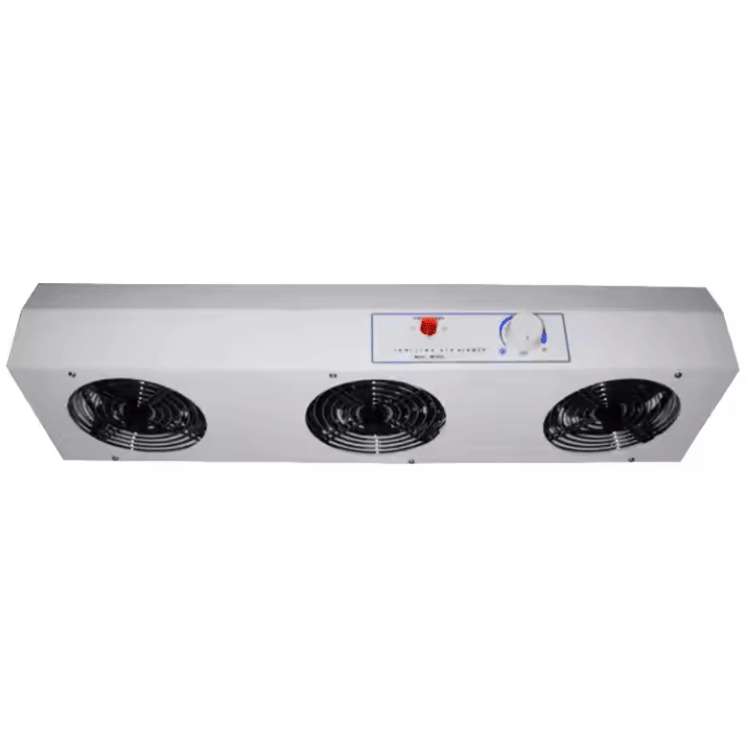
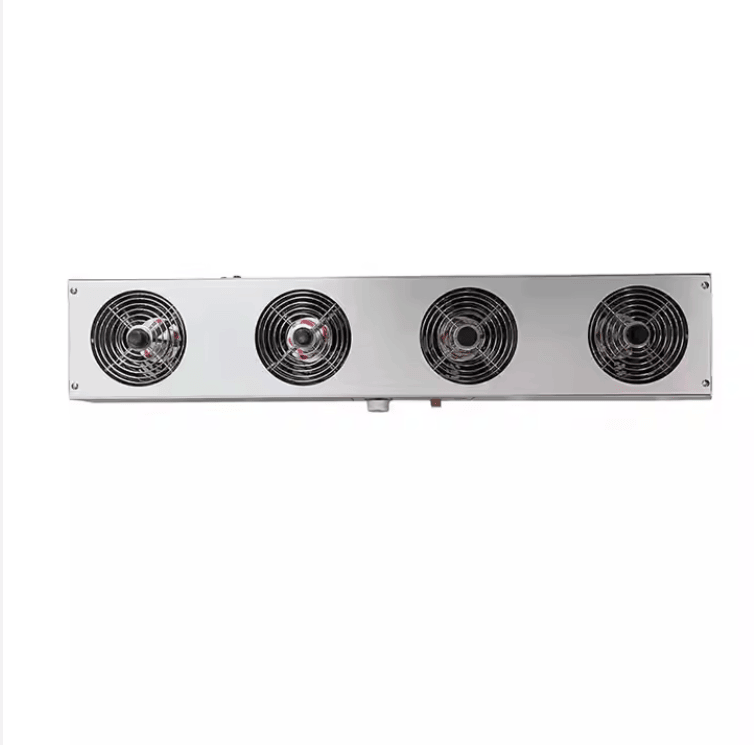
Installed above workstations
Covers larger areas
Ideal for production lines
👉 Best for: PCB assembly / SMT / cleanroom
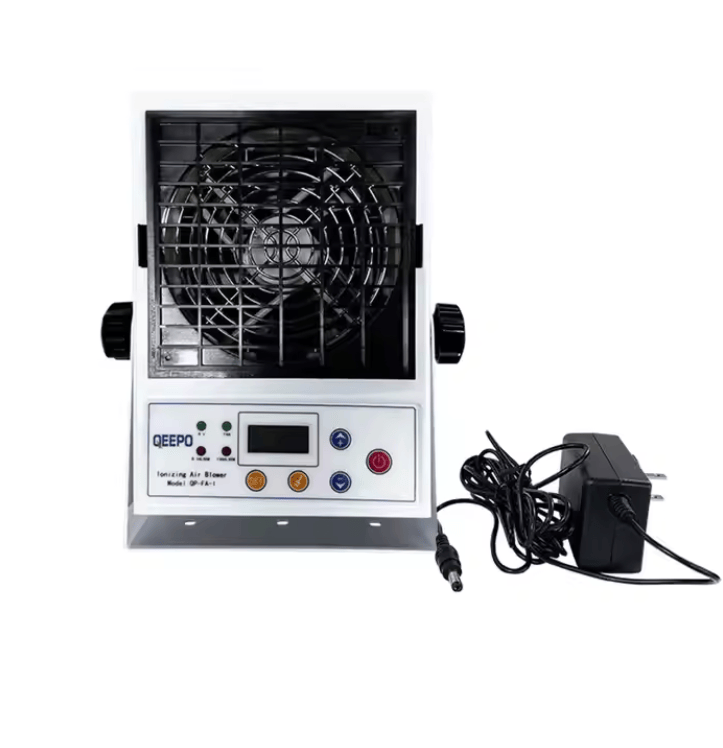
Benchtop Ionizers

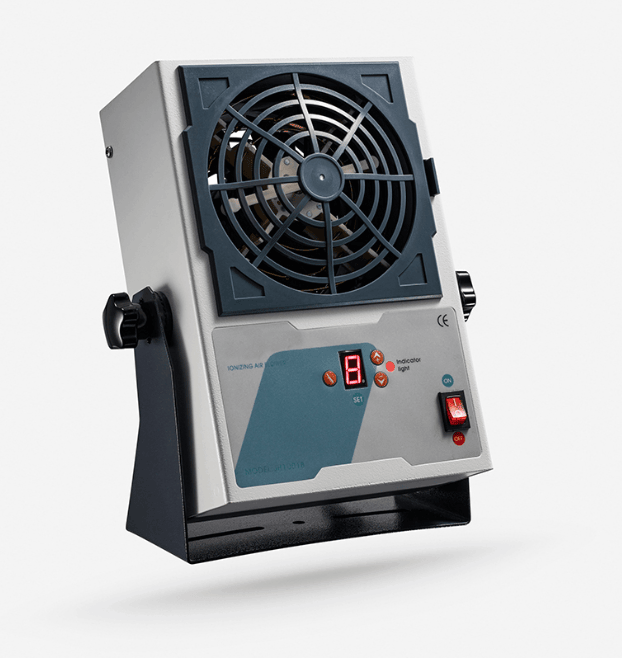
Compact and portable
Focused ionization
Easy to install
👉 Best for: repair stations / small assembly
Nozzle Ionizers
Targeted airflow
Used in automation
High precision neutralization
👉 Best for: robotic lines / microelectronics
Why Ionizers Are Needed in ESD Control
Why Grounding Is Not Enough Without Ionization
Even in a fully grounded ESD workstation, static problems can still occur.
This is because:
plastics cannot be grounded effectively
insulators hold charge for long periods
static fields can affect nearby components
👉 This is exactly why you must understand
👉 ionizer vs grounding
When Do You Need an ESD Ionizer?
When to Use an Ionizer in Electronics Manufacturing
You need an ionizer when your process includes:
-
plastic trays
-
component reels
-
packaging films
-
labels and tapes
-
isolated devices
High-risk environments:
-
PCB assembly
-
semiconductor manufacturing
-
cleanrooms
-
high-sensitivity electronics
Ionizer vs Grounding
Ionizer vs Grounding: Do You Need Both?
Grounding controls conductive objects.
Ionizers control insulators.
👉 Best practice:
-
Use grounding for personnel and tools
-
Use ionizers for plastics and packaging
How to Choose the Right ESD Ionizer
Consider:
Coverage area
small bench → benchtop
large line → overhead
Sensitivity level
high-end electronics → stronger ionization
Airflow
must reach all surfaces
Balance performance
critical for precision environments
Looking for Reliable ESD Ionizers?
Explore professional ionizers designed for electronics manufacturing, PCB assembly, and cleanroom environments.
Shop ESD IonizersCommon Mistakes
Common Mistakes When Using Ionizers
using ionizer without grounding
wrong placement
poor airflow coverage
not maintaining balance
Final Conclusion
Do You Really Need an ESD Ionizer?
If your environment includes insulators, the answer is almost always yes.
Grounding alone cannot eliminate all static risks.
👉 The best solution is:
Frequently Asked Questions
What does an ESD ionizer do?
An ESD ionizer neutralizes static charges on surfaces by releasing positive and negative ions into the air.
Do I need an ionizer if I have grounding?
Yes, especially if your process includes plastics or insulators.
Where should an ionizer be placed?
Above workstations or close to static-sensitive areas.
Are ionizers required in cleanrooms?
In most cases, yes.
Can ionizers damage electronics?
No, when properly balanced.
How often should ionizers be maintained?
Regular cleaning and calibration are recommended.
📞 Contact Us Today
For bulk orders, quotes, or product guidance, get in touch with our expert team:
Email: sales2@esdbest.com
Phone: +86 137 1427 2599