Types of ESD Gloves: Carbon Fiber, PU, Nylon Explained
Types of ESD Gloves Explained
ESD gloves are manufactured using different materials and coatings to control static electricity while maintaining comfort, dexterity, and durability. Choosing the right type depends on application, environment, and handling requirements.
This page focuses on different materials and constructions, but for readers looking for a complete ESD gloves definition, it’s important to start with the fundamentals of static control.
👉 For a full definition and explanation, see https://esdbest.com/esd-gloves/
⸻
Carbon Fiber ESD Gloves
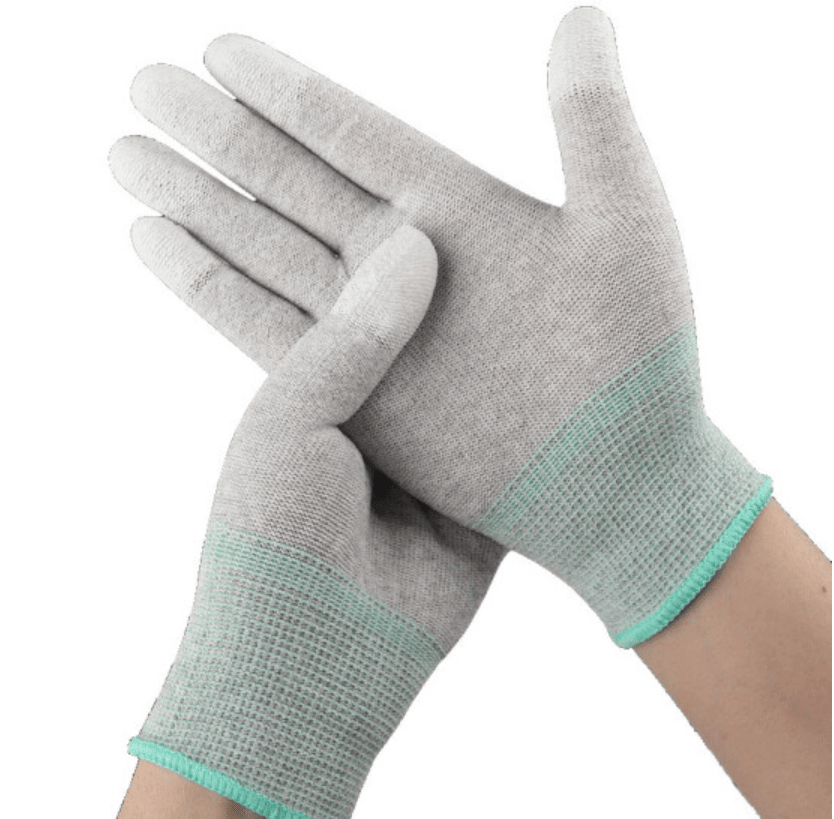
Carbon fiber ESD gloves use conductive carbon yarns to create a consistent dissipative path.
Best for:
•Electronics assembly
•PCB handling
•ESD-protected areas
Advantages:
•Stable resistance
•Long service life
•Excellent static dissipation
⸻
Polyurethane (PU) Coated ESD Gloves
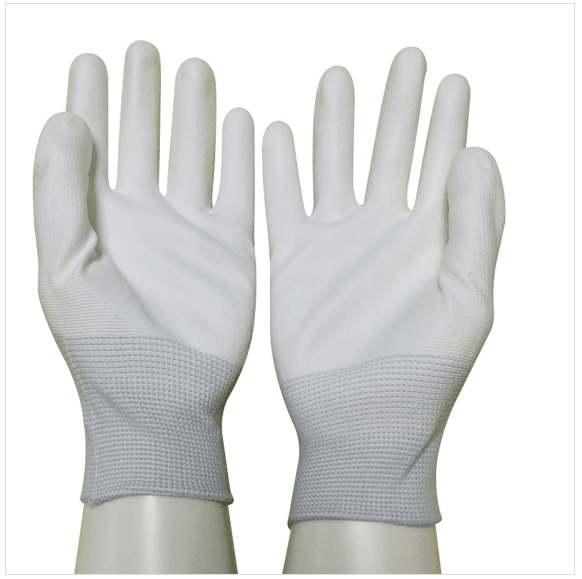
PU-coated ESD gloves combine a dissipative fabric liner with a polyurethane-coated palm.
Best for:
•Precision assembly
•Component handling
•Light cleanroom use
Advantages:
•Improved grip
•Good tactile sensitivity
•Low particle generation
⸻
Nylon ESD Gloves
Nylon ESD gloves are lightweight and breathable, often blended with conductive fibers.
Best for:
•Inspection tasks
•Light-duty electronics work
Advantages:
•Comfortable for long wear
•Cost-effective
•Moderate durability
⸻
Palm-Coated ESD Gloves
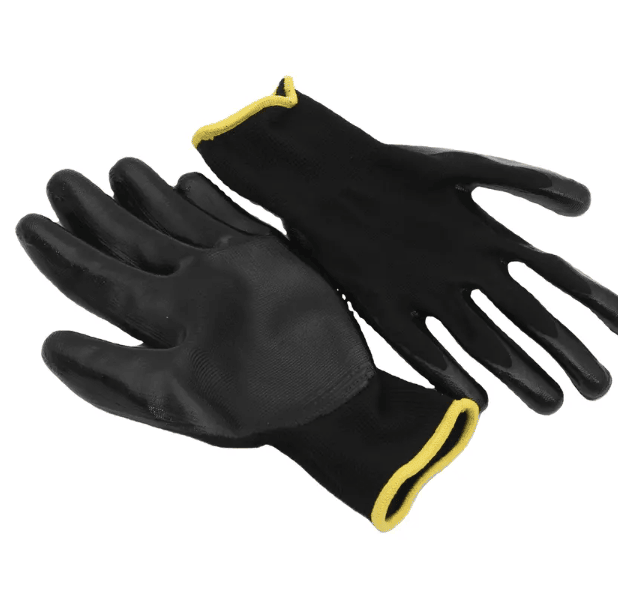
Palm-coated gloves add grip and abrasion resistance while keeping the back of the hand breathable.
Best for:
•Assembly lines
•Repetitive handling tasks
⸻
Choosing the Right ESD Glove Type
Application Recommended Type
PCB Assembly Carbon fiber
Precision Electronics PU coated
Inspection Nylon
General Handling Palm-coated
👉 For standards and compliance requirements, see our ESD gloves standards guide.
IEC 61340 requirements,For resistance ranges and testing rules, review the IEC 61340 requirements and other applicable standards.
📞 Contact Us Today
For bulk orders, quotes, or product guidance, get in touch with our expert team:
Email: sales2@esdbest.com
Phone: +86 137 1427 2599
Learn more disposable glove types, please click this link:https://esdbest.com/nitrile-vs-latex-gloves/
{
"@context": "https://schema.org",
"@type": "FAQPage",
"mainEntity": [
{
"@type": "Question",
"name": "What are the main types of ESD gloves?",
"acceptedAnswer": {
"@type": "Answer",
"text": "The main types of ESD gloves include carbon fiber gloves, PU-coated gloves, nylon gloves, and palm-coated ESD gloves."
}
},
{
"@type": "Question",
"name": "Which ESD glove type is best for electronics assembly?",
"acceptedAnswer": {
"@type": "Answer",
"text": "Carbon fiber and PU-coated ESD gloves are commonly used for electronics and PCB assembly due to stable static dissipation."
}
},
{
"@type": "Question",
"name": "Do different ESD glove types follow the same standards?",
"acceptedAnswer": {
"@type": "Answer",
"text": "Yes. Regardless of material, ESD gloves must meet applicable standards such as IEC 61340 or ANSI/ESD S20.20."
}
}
]
}