ESD Floor Mat Guide
How Anti Static Floor Mats Work and How to Choose the Right ESD Mat
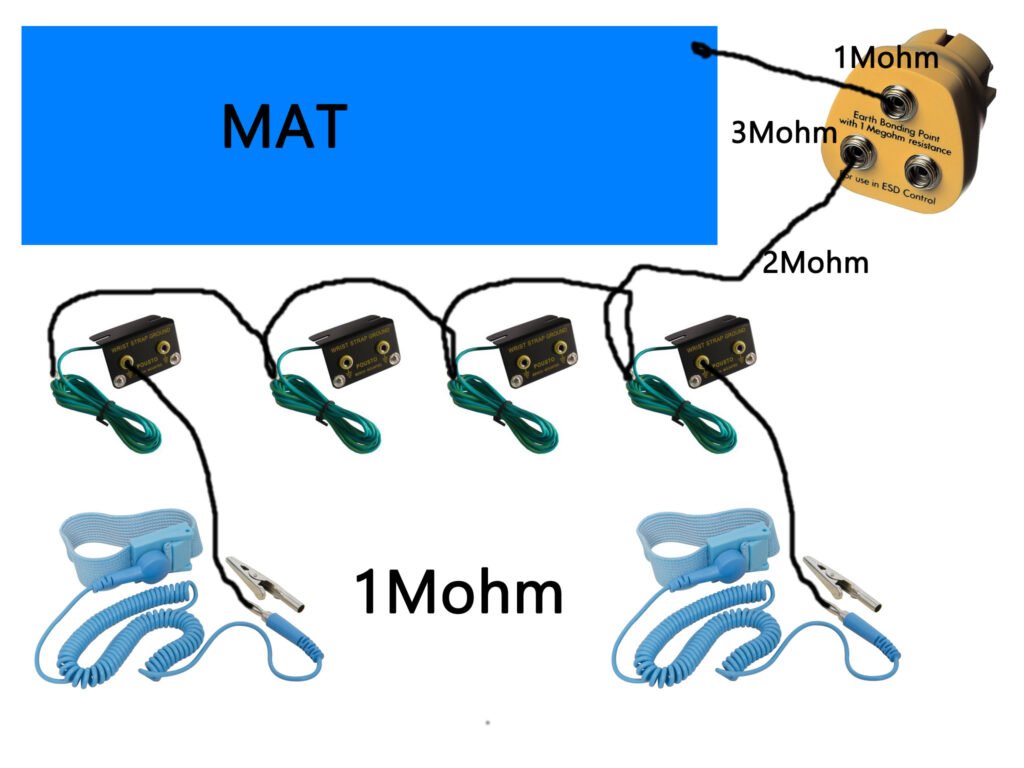

Electrostatic discharge can damage sensitive electronic components during manufacturing, assembly, testing, and repair processes. One of the most common solutions used in ESD control programs is the ESD floor mat.
An anti static floor mat helps control static electricity by providing a controlled path to ground. When used together with ESD footwear, grounding systems, and wrist straps, it helps maintain a safe ESD protected area (EPA).
In this complete guide you will learn:
what an ESD floor mat is
how anti static mats work
where they are used
how to install and maintain them
how to choose the right mat for your facility
- Know more about ESD vs Anti-Static Mats
- Know more about conductive vs dissipative mats
What Is an ESD Floor Mat?
An ESD floor mat is a conductive or dissipative mat placed on the floor to safely discharge static electricity. It works by providing a controlled grounding path that helps prevent electrostatic discharge in electronics manufacturing environments.
Why Static Electricity Is a Problem on Floors
Static electricity often builds up when people walk across floors, especially when wearing synthetic shoes or working on non-conductive surfaces.
Common static sources include:
walking on carpets
plastic flooring
synthetic clothing
packaging materials
When static charge accumulates, it may discharge into sensitive electronic components.
This is why many electronics factories install ESD floor mat systems to control static electricity at ground level.
How ESD Floor Mats Work
An anti static floor mat works by controlling the flow of static electricity.
The mat typically contains conductive materials that allow static charges to dissipate slowly to ground.
When used with ESD shoes or heel grounders, static electricity generated by movement can safely flow through the operator, through the footwear, into the mat, and then into ground.
This controlled discharge helps prevent sudden electrostatic events.
Add ESD ionizing fans for Electrostatic discharge.
Types of ESD Floor Mats
Different environments require different types of mats.
Conductive Floor Mats
Conductive mats provide a faster path to ground and are often used in environments with strict ESD control requirements.
Dissipative Floor Mats
Dissipative mats discharge static electricity more slowly and are commonly used in electronics assembly environments.
Anti Fatigue ESD Mats
Some ESD anti fatigue floor mats are designed for standing workstations, providing comfort while maintaining static protection.
Cleanroom ESD Mats
Cleanroom-compatible mats are designed to minimize particle generation while maintaining ESD protection.
Where ESD Floor Mats Are Used
ESD floor mats are widely used in:
electronics manufacturing
semiconductor factories
PCB assembly lines
testing laboratories
repair workstations
cleanrooms
They are often part of a complete ESD mat and wrist strap grounding system.
How to Install an ESD Floor Mat
Proper installation ensures effective static control.
Step 1
Clean the floor surface.
Step 2
Place the mat in the designated workstation area, install ESD wrist strap.
Step 3
Connect the grounding cord.
Step 4
Test the grounding system.
How to Maintain ESD Floor Mats
Maintenance helps ensure long-term performance.
Recommended practices include:
regular cleaning
avoiding harsh chemicals
inspecting grounding cords
periodic resistance testing
Do ESD floor mats need grounding?
Yes. Most ESD floor mats must be connected to a grounding point to safely dissipate static electricity.
What resistance should an ESD floor mat have?
Typical surface resistance for ESD mats ranges between 10⁶ and 10⁹ ohms depending on the material type.
Can an ESD floor mat work without ESD shoes?
While mats can reduce static buildup, using ESD shoes or heel straps significantly improves grounding performance.
Buying Guide
When selecting an ESD floor mat, consider:
surface resistance
mat thickness
anti fatigue properties
work environment
compatibility with ESD flooring systems
Explore durable anti static mats designed for industrial ESD protection.
Shop ESD Floor Mats
Request Bulk Quote
📞 Contact Us Today
For bulk orders, quotes, or product guidance, get in touch with our expert team:
Email: sales2@esdbest.com
Phone: +86 137 1427 2599