ESD Safety Boots: PPE Protection Without Losing ESD Control

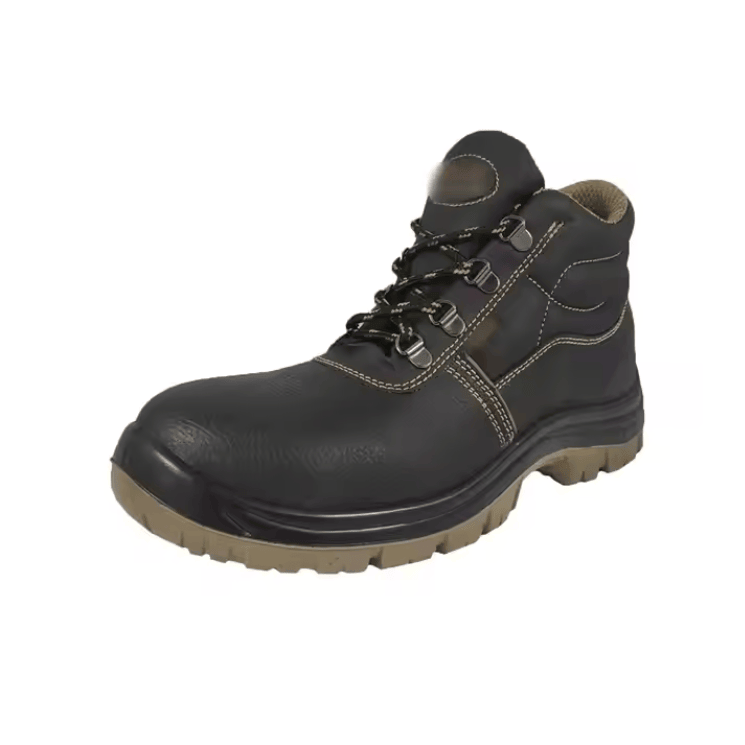
Introduction
ESD safety boots must satisfy two requirements:
•Mechanical protection (PPE)
•Electrostatic discharge control
These functions must coexist without conflict.
⸻
Are ESD Safety Boots Still “Safety Boots”?
Yes.
ESD safety boots comply with PPE requirements such as:
•Impact protection
•Compression resistance
•Slip resistance
At the same time, they maintain controlled electrical resistance for static dissipation.
⸻
ESD Safety Boots Are Not Electrical Insulation
A common misconception is that ESD safety boots protect against electric shock.
They do not.
ESD boots are designed for static control, not electrical hazard protection.
This distinction is clearly defined in international standards.
⸻
Standards That Govern ESD Safety Boots
Relevant standards include:
•IEC 61340-5-1
•ANSI/ESD S20.20
These standards focus on:
•Body voltage reduction
•Resistance limits
•System-level performance
⸻
Why Compliance Requires System Evaluation
An ESD safety boot can pass all material tests and still fail in real use if:
•Flooring is non-compliant
•Grounding is incorrect
•Testing is not performed regularly
⸻
📞 Contact Us Today
For bulk orders, quotes, or product guidance, get in touch with our expert team:
Email: sales2@esdbest.com
Phone: +86 137 1427 2599
FAQ
Yes. They meet PPE protection requirements while providing ESD control.
No. They are designed for static control, not electrical hazard protection.
Yes, when properly engineered and tested within a system.